Wednesday, November 4
Inside the six million signature drive for justice in DR Congo: the forces, fault lines and frustrations
Top Stories

Inside the six million signature drive for justice in DR Congo: the forces, fault lines and frustrations

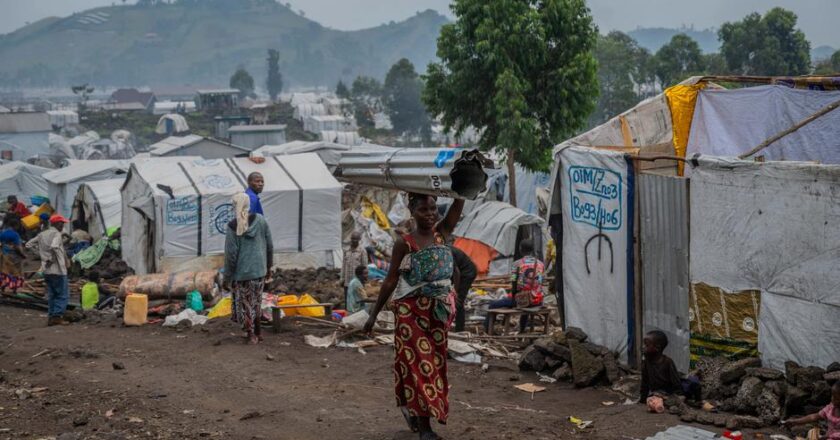
The machinery behind a record petitionIn the Democratic Republic of Congo, a sprawling petition known as "6 million voices for justice in Congo" is pressing for accountability on a scale the country has rarely seen. The push is led by Amnesty International, which aims to gather six million signatures to demand justice for victims of a conflict that has now ground on for more than three decades.At its core, the initiative reflects a deeper reality: while successive wars have produced staggering losses, the institutions meant to deliver redress have largely failed to respond. Understanding why requires looking beyond the headline numbers to the pressures, politics and personal losses that have shaped this campaign.Growing up in the shadow of conflictIn the Kasika neighbourhood of Goma, Noël ...
Behind France’s school protest meltdown: the untold dynamics that turned anger into urban fire
International

Behind France’s school protest meltdown: the untold dynamics that turned anger into urban fire

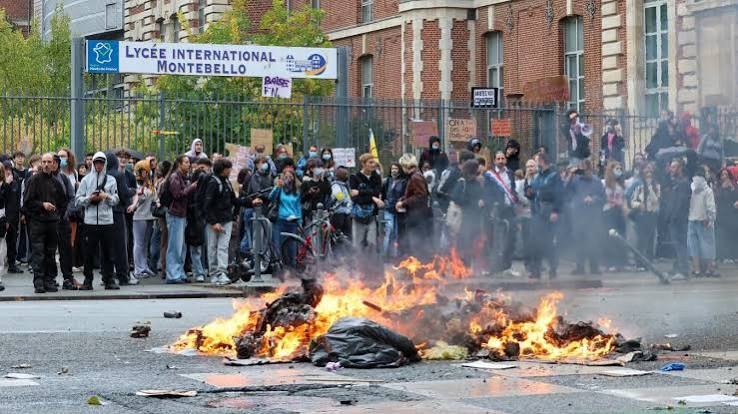
Behind France's school protest meltdown: the untold dynamics that turned anger into urban fire What began as a focused student demonstration against education reforms spiralled into a nationwide security emergency on Thursday, 1 October. A wave of destruction swept through major French cities, leaving damaged schools, running battles with police and halted public transport in its wake. Prime Minister Sébastien Lecornu responded by convening an emergency interministerial crisis cell at the Interior Ministry, a move that underscores how quickly a localised protest can escalate into a national test of state authority. The roots of the escalation The unrest did not appear overnight. It followed two weeks of rolling protests against recent educational reforms, during which blockades became the...
Why Moussa Kaka’s month-long detention in Niger signals a deeper crackdown on independent journalism
Top Stories

Why Moussa Kaka’s month-long detention in Niger signals a deeper crackdown on independent journalism

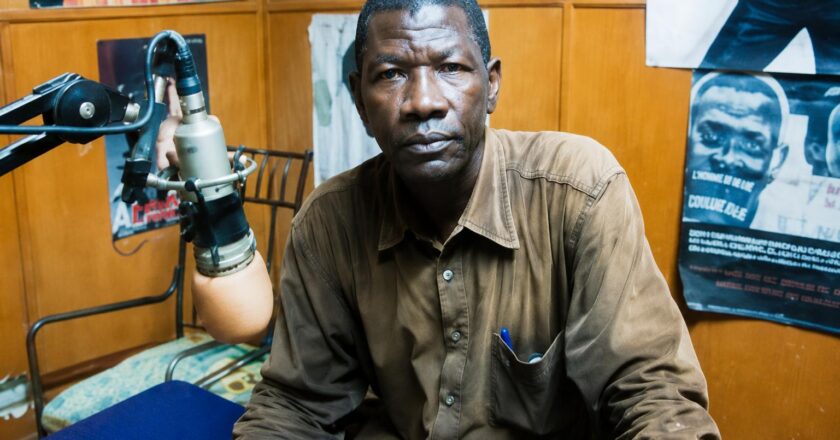
For more than thirty days, one of Niger's most recognizable journalists has been missing from public view — and the silence surrounding his case is proving as telling as the detention itself. Moussa Kaka, a longtime correspondent in Niamey and a pillar of independent reporting in the region, was taken into custody by security services linked to the regime of Abdourahamane Tiani. No formal charges have been made public. No legal justification has been offered. And as the weeks accumulate, the absence of information is hardening into something more troubling: a pattern. The mechanics of an unexplained detention What makes this case stand out is not only its duration but the opacity that surrounds it. In a functioning legal process, a month behind bars without charge would be an anomaly. In ...
Mali’s classrooms under siege: what’s really driving the closure of 2,400 schools
News

Mali’s classrooms under siege: what’s really driving the closure of 2,400 schools

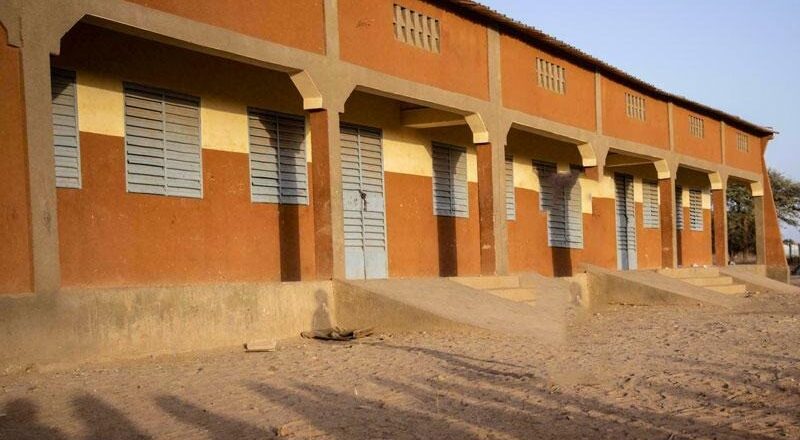
BAMAKO — On Thursday, October 1, 2026, Mali officially opened its 2026-2027 academic year. The occasion was meant to be grand: transitional president General Assimi Goïta had declared it the "Year of Education and Culture." But the official slogan runs headlong into a brutal truth. More than 2,400 schools will not reopen their doors nationwide — a grim record that leaves over 730,000 children without instruction and exposes the strategic dead end into which Bamako's military government has sunk. How schools became the frontline of a deepening insurgency Nationwide, more than one in five schools is now out of service. This collapse is no accident. It stems directly from the steady territorial expansion of armed terrorist groups. Islamist katibas that reject so-called "Western" education l...
Inside Cameroon’s anglophone standstill: what a decade of crisis reveals about the October 1 ghost town
Politics

Inside Cameroon’s anglophone standstill: what a decade of crisis reveals about the October 1 ghost town

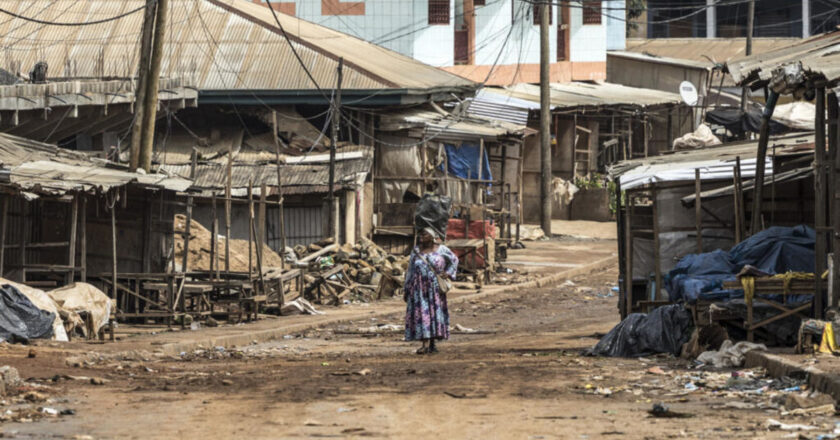
Inside Cameroon's anglophone standstill: what a decade of crisis reveals about the October 1 ghost townReporting from Yaoundé, Richard OnanenaOctober 1 marks the birth of the Federal Republic of Cameroon, a day in 1961 when the former French colony united with Southern Cameroons under British administration. That reunification, however, remains contested by some anglophone separatists. On October 1, 2017, Ambazonian separatists unilaterally declared independence for the Northwest and Southwest regions.As a "ghost town" operation was observed in several towns across the Northwest and Southwest (NOSO) on Tuesday, Cameroonian authorities, fearing protests, deployed a heavy security grid. By midday, no major incidents were reported. Yet economic and social life was largely frozen in major urba...
Why Benin’s €500m eurobond worked: the credit mechanics behind the deal
News

Why Benin’s €500m eurobond worked: the credit mechanics behind the deal

Benin has once again shown that a small West African economy can punch above its weight in global capital markets. Working alongside the African Development Bank Group, Cotonou has raised 500 million euros to bankroll a series of high-impact investments — an operation that reveals as much about financial engineering as it does about the country's spending plans. The anatomy of a successful eurobond At first glance, the headline number is straightforward: half a billion euros for Benin's priority projects. But the real story lies in how the money was secured. The bond carries a 12-year maturity, a profile that is increasingly rare for sub-Saharan issuers in today's volatile rate environment. That outcome was not accidental. It rested on a partial credit guarantee from the African Developme...
Burkina Faso: the operational logic behind the Lalgaye and Ouahigouya attacks
News

Burkina Faso: the operational logic behind the Lalgaye and Ouahigouya attacks

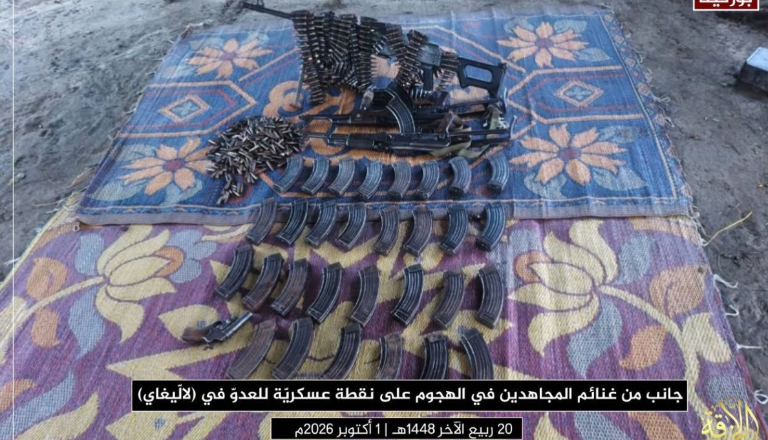
Coordinated assaults expose a strategic playbook Two simultaneous armed attacks struck Burkina Faso on Saturday, September 26, revealing a level of operational planning that continues to challenge the country's defense forces. In the Koulpélogo province in the Centre-East, a Burkinabè soldier was killed during an assault on a military position at Lalgaye. At the same time, in the north around Ouahigouya, coordinated incursions destroyed heavy equipment. The attacks were claimed on Thursday, October 1, by the Group for the Support of Islam and Muslims (JNIM), underscoring the sustained security pressure armed groups are exerting on the defense and security forces. Lalgaye: a military outpost targeted Saturday, September 26, saw a sharp spike in violence in the Koulpélogo province, part of ...
Burkina Faso’s pivotal juncture: four years of Traoré’s rule and the human cost of the security gamble
News

Burkina Faso’s pivotal juncture: four years of Traoré’s rule and the human cost of the security gamble

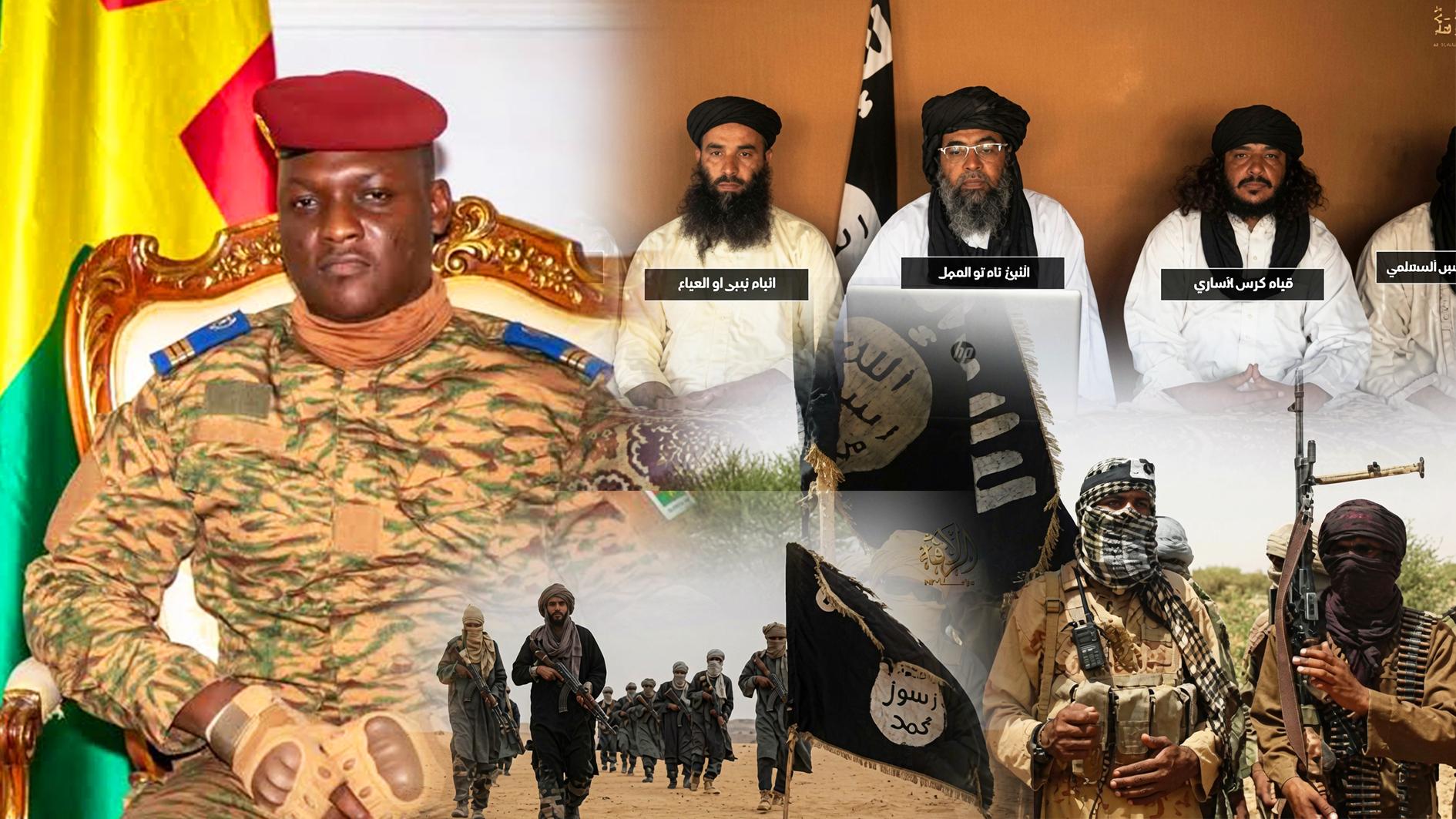
Ouagadougou — On 30 September 2022, Captain Ibrahim Traoré seized power in Burkina Faso by toppling Lieutenant-Colonel Paul-Henri Sandaogo Damiba. Four years on, the young junta leader presents his tenure as a radical reset: reclaiming territory, strengthening the armed forces, asserting national sovereignty and breaking with several Western partners. Yet behind that official narrative, the record remains fiercely contested — particularly on civilian safety, displacement and public freedoms. The war on armed groups: a defining priority From the moment he took office, Traoré made the fight against jihadist groups his foremost objective. His government bolstered the armed forces and expanded the Volunteers for the Defence of the Homeland (VDP), civilian auxiliaries enlisted to support the m...
Lamu refinery launch: Benin’s Wadagni makes decisive move into East Africa’s oil future
News

Lamu refinery launch: Benin’s Wadagni makes decisive move into East Africa’s oil future

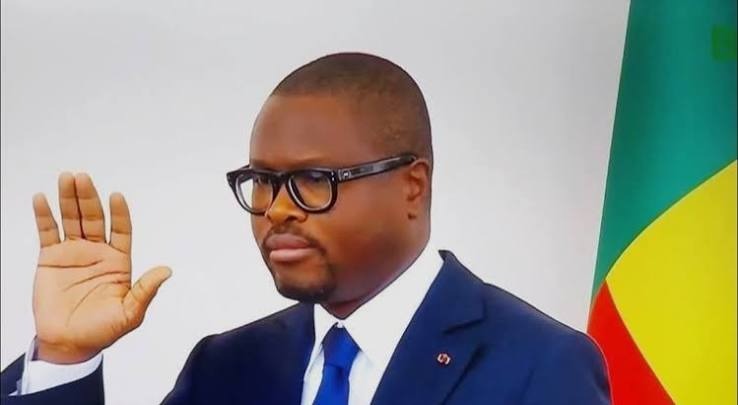
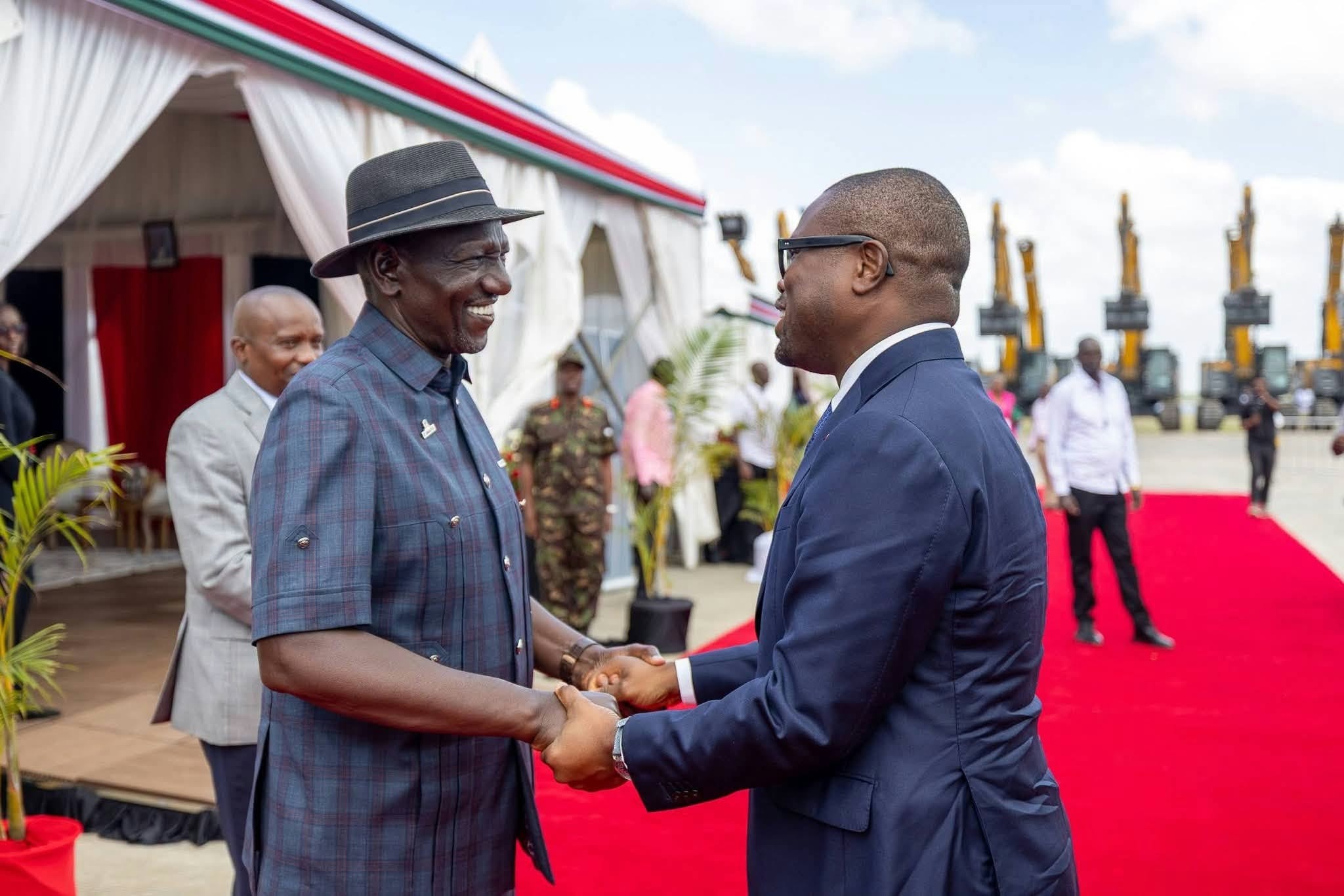
Lamu, Kenya — September 30, 2026. Benin's President Romuald Wadagni took a decisive step into Africa's energy future on Wednesday, joining the groundbreaking ceremony for East Africa's landmark refinery at Lamu on Kenya's northern coast, spearheaded by the group of Nigerian billionaire Aliko Dangote. This is a turning point. By standing alongside several African leaders at the launch of a project billed as one of the continent's most consequential industrial undertakings, Wadagni signaled Benin's readiness to engage with the new dynamics reshaping African oil refining. A continental gathering at the heart of East Africa's oil gamble The ceremony drew a remarkable roster of African leaders. Alongside Wadagni were Ugandan President Yoweri Museveni, Togolese President Jean-Lucien Savi de T...
Air Sénégal crew suspension: the real fallout for travellers, trade and the Dakar-Paris route
News

Air Sénégal crew suspension: the real fallout for travellers, trade and the Dakar-Paris route

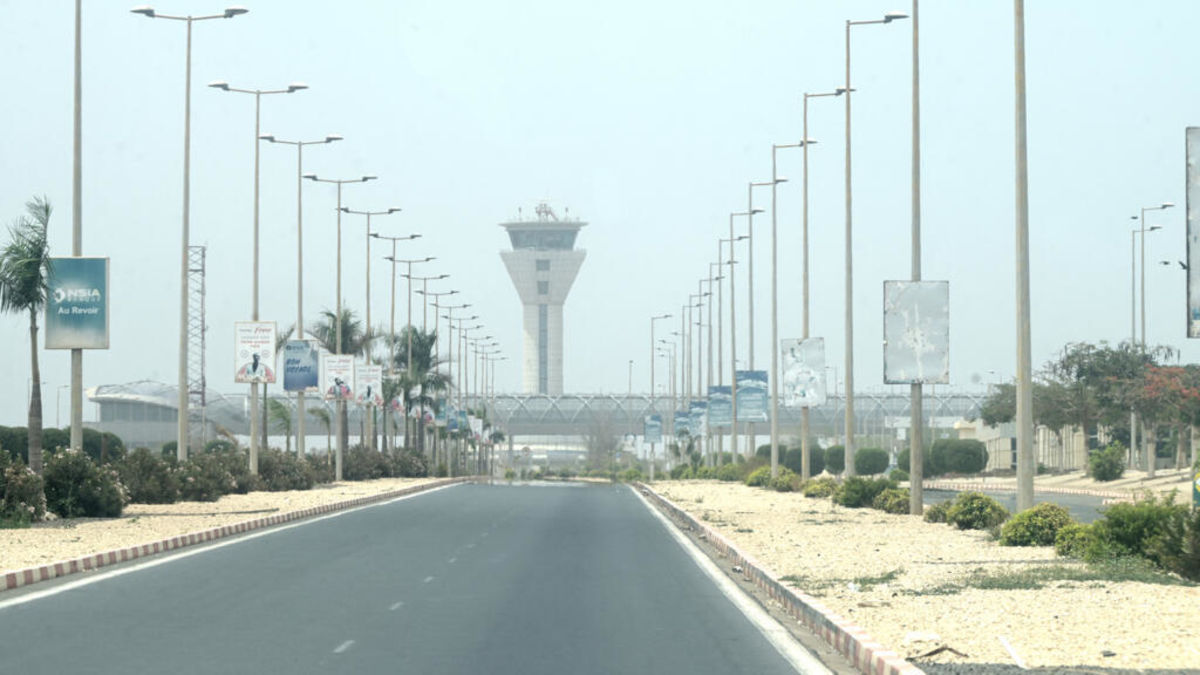
Air Sénégal crew suspension: the real fallout for travellers, trade and the Dakar-Paris routeReporting from Dakar, Léa-Lisa WesterhoffThe decision landed on 17 September: every steward and stewardess assigned to the Dakar-Paris route was grounded, pending an internal inquiry to establish who was responsible, a source inside Air Sénégal confirms.At the heart of the matter are suspicions that crew members carried parcels for payment. In plain terms, some staff are believed to have agreed to transport goods in exchange for a set rate per kilo — an activity widely known as a "GP", banned by Air Sénégal and linked to merchandise trafficking. So far, the airline has said nothing about what those parcels contained.How the route keeps flying with a Georgian crewSince the suspension, the cabin crew...
Barrick Gold’s loulo-gounkoto payoff: the real toll on Mali’s workers and economy
Top Stories

Barrick Gold’s loulo-gounkoto payoff: the real toll on Mali’s workers and economy

The abrupt cancellation of a planned strike at the Loulo-Gounkoto gold complex has exposed a troubling reality: the agreement between Canadian mining giant Barrick Gold and union leaders was not a genuine resolution of labor grievances but a calculated payoff that prioritizes production over people. This backroom deal, built on the corruption of union executives, carries severe consequences for Mali's citizens, its economy, and the credibility of its institutions. The workers who dared to demand fair treatment have been silenced, while the true cost of this 'social truce' will be borne by the nation. A facade of compromise to calm investors In late September, Barrick Gold's management announced the signing of a new collective agreement with worker representatives at Loulo-Gounkoto, one of...
Moussa Kaka’s disappearance in Niger: how one journalist’s fate shakes a nation’s economy and citizens’ trust
News

Moussa Kaka’s disappearance in Niger: how one journalist’s fate shakes a nation’s economy and citizens’ trust

Niger has been without journalist Moussa Kaka since August 31, and the fallout is already being felt far beyond the newsroom. Alioune Tine, a Senegalese human rights expert and former United Nations special rapporteur, describes the situation as a "forced disappearance" and condemns what he calls "the total indifference of the African and international community." His warning is blunt: when a journalist vanishes without explanation, the consequences ripple through every layer of society — from citizens who lose a trusted source of information to businesses that rely on a stable, predictable environment. Tine, who founded Afrikajom, a think tank focused on democracy and security in Africa, is calling for a broad mobilization of African public opinion and the organizations that represen...