Lamu refinery launch: Benin’s Wadagni makes decisive move into East Africa’s oil future
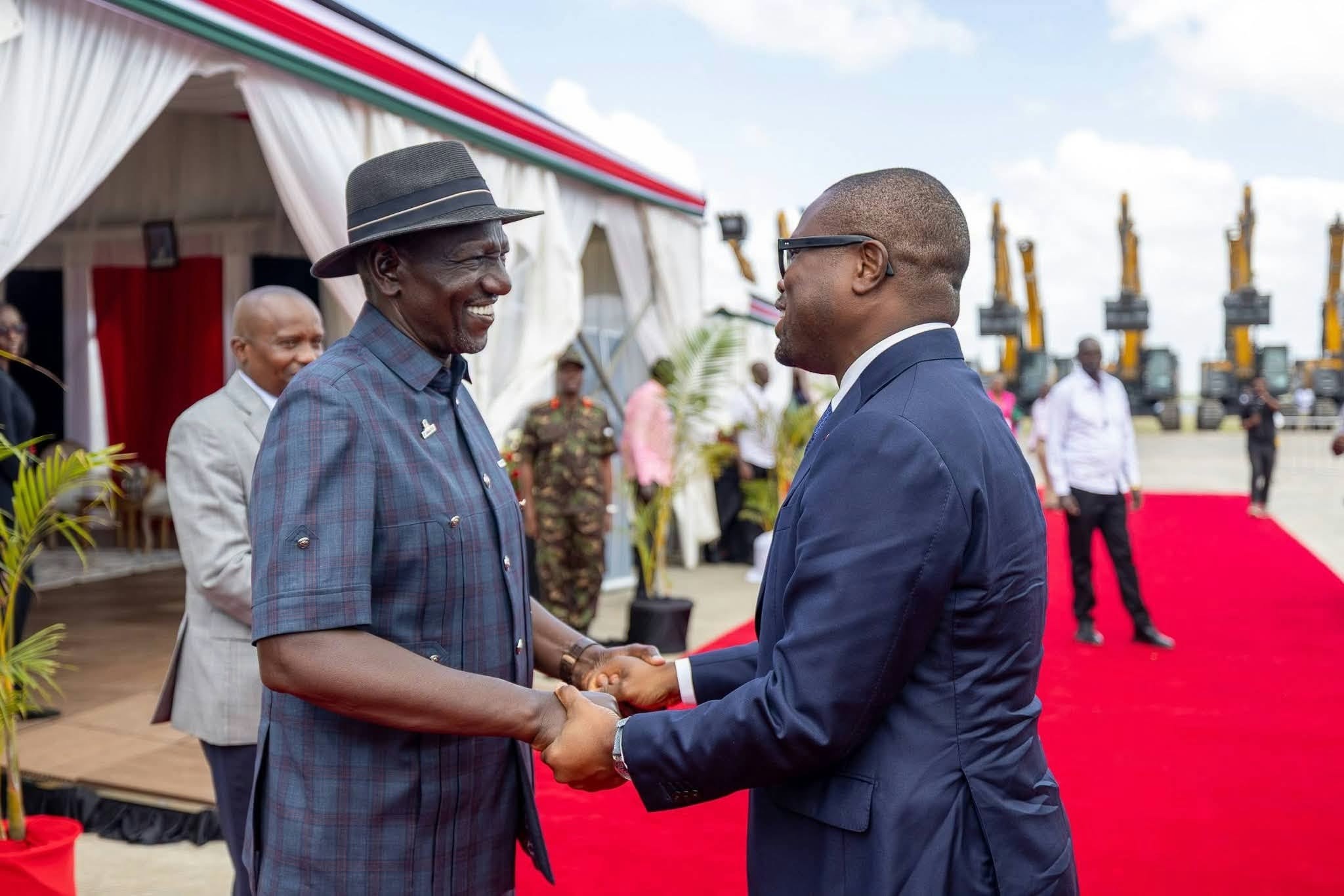
Lamu, Kenya — September 30, 2026. Benin’s President Romuald Wadagni took a decisive step into Africa’s energy future on Wednesday, joining the groundbreaking ceremony for East Africa’s landmark refinery at Lamu on Kenya’s northern coast, spearheaded by the group of Nigerian billionaire Aliko Dangote.
This is a turning point. By standing alongside several African leaders at the launch of a project billed as one of the continent’s most consequential industrial undertakings, Wadagni signaled Benin’s readiness to engage with the new dynamics reshaping African oil refining.
A continental gathering at the heart of East Africa’s oil gamble
The ceremony drew a remarkable roster of African leaders. Alongside Wadagni were Ugandan President Yoweri Museveni, Togolese President Jean-Lucien Savi de Tové, Ethiopian Prime Minister Abiy Ahmed Ali, and Kenyan President William Ruto.Their simultaneous presence — West African and East African heads of state standing together — underscored the continental ambition behind the project. The Lamu refinery is not merely a Kenyan undertaking; it is being positioned as a strategic infrastructure capable of altering how crude oil is processed across the region.
What the $16 billion refinery will deliver
The Lamu refinery carries an estimated investment of $16 billion, equivalent to roughly 8,960 billion CFA francs. Once operational, it is projected to process 700,000 barrels of crude oil per day.That capacity would rank it among the largest industrial complexes on the African continent and, according to project data, make it East Africa’s biggest industrial project by refining capacity.
Beyond the numbers, the project responds to a broader push by African nations to strengthen local processing of raw materials and cut reliance on imported refined petroleum products.
Why Benin’s presence matters
Wadagni’s participation carries strategic weight. For Benin, the ceremony offered a firsthand look at the opportunities presented by large-scale African industrial investments and the emerging patterns of economic cooperation between states.
The Lamu project reflects an Africa where energy infrastructure is playing an increasingly central role in development strategies, economic sovereignty, and regional integration. Benin’s engagement signals a willingness to observe, learn from, and potentially align with these continental shifts.
Industry as a pillar of African ambition
With its eventual 700,000-barrel-per-day capacity, the Lamu refinery is designed as an exceptional infrastructure. Its construction is expected to mobilize substantial capital and generate an industrial ecosystem spanning energy, transport, and logistics.
The September 30, 2026 ceremony marked a major moment for the leaders present. For Wadagni, it was an opportunity to take part alongside fellow African officials in a sequence devoted to one of the largest industrial projects currently announced on the continent.
At Lamu, attention is fixed on the future — an Africa seeking to expand its industrial capacity and process more of its resources on its own soil.