Tuesday, November 3
Why the €15 million German-Beninese deal is quietly setting up Berlin’s 2027 negotiations
Actualités

Why the €15 million German-Beninese deal is quietly setting up Berlin’s 2027 negotiations

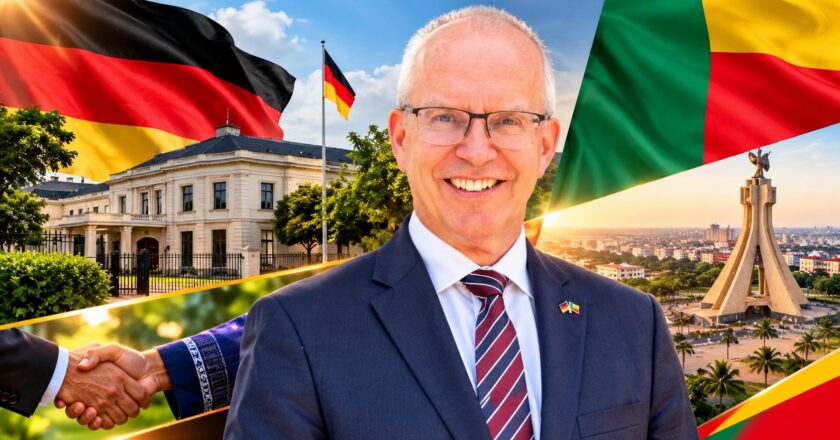
The bilateral strategic consultations between Benin and Germany, held on Thursday, 8 October 2026 at the Ministry of Economy, Finance and Cooperation in Cotonou, concluded with a clear message: the €15 million package announced the following day is less a standalone gift than a calculated step toward the intergovernmental negotiations scheduled for Berlin in 2027. Co-chaired by Hugues O. Lokossou, Minister for the Mobilization of External Resources and Debt Management, and Dr Silvia Morgenroth, Head of the West Africa Division at Germany's Federal Ministry for Economic Cooperation and Development (BMZ), the talks laid the technical and political groundwork for what both sides describe as a pivotal year ahead. What the additional €15 million actually finances In a joint communiqué issued ...
Niger’s IMF programme: the $203 million thread weaving through Niamey’s refoundation paradox
A la Une

Niger’s IMF programme: the $203 million thread weaving through Niamey’s refoundation paradox

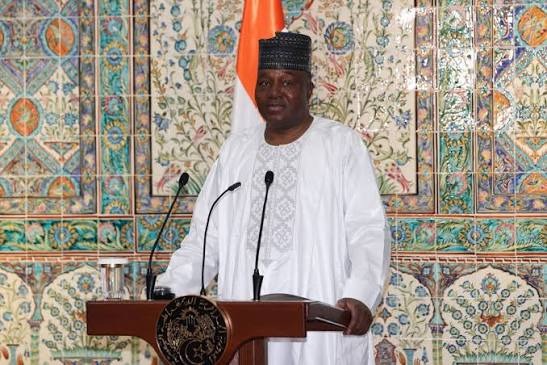
When Niger's transitional authorities made "national sovereignty" and "rejection of foreign oversight" the defining slogans of their political project, public finance arithmetic was always going to have the final word. On Thursday 8 October 2026, the International Monetary Fund announced a staff-level agreement reached after a mission to Niamey led by Ms Julia Bersch between 28 September and 8 October 2026 — a deal that quietly returns Washington's teams to the centre of the country's economic policymaking. A fresh 38-month arrangement and what sits beneath it Far from the rhetoric of self-reliance and rupture, Niamey has just completed the tenth and final review of its existing programme and committed to an entirely new one under the Extended Credit Facility. Running for 38 months, this...
Behind Niger’s Diffa oil leak: the deeper failures turning a spill into a crisis
Actualités

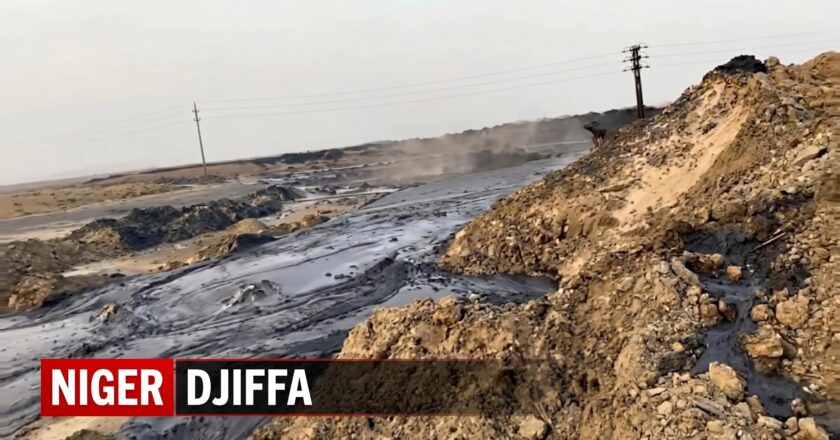
Behind Niger’s Diffa oil leak: the deeper failures turning a spill into a crisis

A dark slick reportedly spreading across the ground in eastern Niger has become far more than a technical mishap. In the Diffa region, a crude oil leak detected nearly a week ago has exposed a set of deeper, structural weaknesses that determine whether an industrial accident stays contained or spirals into a full-blown environmental emergency. The real story is not only the spill itself, but the conditions that allow it to persist — unclear oversight, slow communication, and a response system under pressure. DIFFA, Niger — When crude oil escapes from installations and seeps into soil and water, time becomes the most valuable resource. Here, as the leak reported in Diffa continues, the central question is no longer simply what happened, but why the warning signs and the response have not m...
Burkina Faso’s rupture with Paris: the hidden mechanics behind Traoré’s Russia pivot
Actualités

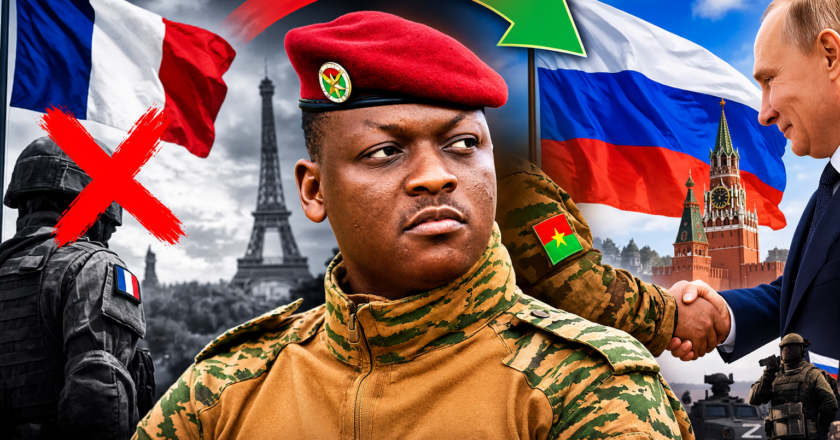
Burkina Faso’s rupture with Paris: the hidden mechanics behind Traoré’s Russia pivot

In an interview broadcast in late September, Captain Ibrahim Traoré, Burkina Faso's transitional president, ruled out any prospect of normalising diplomatic ties with France, using notably harsh language to criticise Paris. The statement fits the political line his regime has followed since taking power in September 2022: steadily break with the former French partner and reorient Burkinabè diplomacy toward new allies, foremost among them Russia. Since seizing power, Traoré has repeatedly made hostile declarations toward France, while relations between Ouagadougou and Paris have deteriorated sharply. The withdrawal of French forces, the departure of diplomats and the questioning of several forms of cooperation have marked this rupture. At the same time, the Burkinabè authorities have stren...
Behind Côte d’Ivoire’s celebrity land fraud case: how digital fame exposes gaps in real estate oversight
Actualités

Behind Côte d’Ivoire’s celebrity land fraud case: how digital fame exposes gaps in real estate oversight

What happens when social media stardom collides with real estate investment? That question now sits at the heart of one of Côte d'Ivoire's most closely watched legal dramas. Rita Bénédicte Djédjé Grahon, widely recognized by her nickname "Maman Caï-Caï," is at the center of a judicial investigation into allegedly irregular property transactions that have drawn complaints from roughly sixty individuals. The financial prosecutor's office has cited provisional losses exceeding 320 million FCFA. Also named in the judicial inquiry are influencer Apoutchou National and former Ivorian international footballer Serey Dié. While Rita Djédjé has been remanded in custody, the other individuals implicated have been placed under judicial supervision. The case raises pressing questions about how funds we...
Two Nigerien agents expelled from Paris: the deeper dynamics behind a diplomatic rupture
Actualités

Two Nigerien agents expelled from Paris: the deeper dynamics behind a diplomatic rupture

The French government's move to declare two Nigerien intelligence operatives persona non grata has once again exposed the depth of the crisis between Paris and Niamey. The two men, officially assigned to Niger's embassy in Paris, were ordered to leave France in mid-September, a decision that underscores how far the bilateral relationship has deteriorated since the July 2023 coup in Niamey. What lies beneath this latest expulsion is a story of severed channels, mutual suspicion, and a partnership that has been steadily unraveling for over three years. Expulsion of two Nigerien agents: what Paris and Niamey say France expelled two officers of the Direction générale de la documentation et de la sécurité extérieure (DGDSE), Niger's foreign intelligence service, who were formally accredited to...
Why the Dakar-Abidjan bank fraud succeeded: an analysis of the 1.9 billion FCFA breach
Actualités

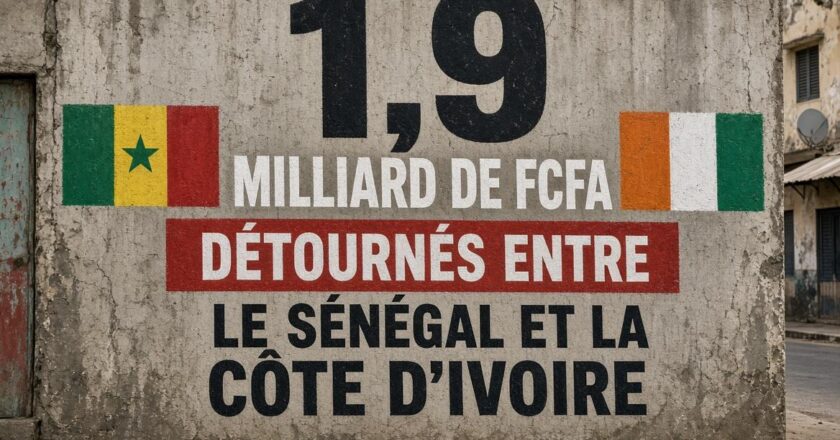
Why the Dakar-Abidjan bank fraud succeeded: an analysis of the 1.9 billion FCFA breach

The alleged embezzlement of 1.9 billion CFA francs between Senegal and Côte d'Ivoire is more than a startling headline. A closer look at the mechanics reveals a familiar pattern: fraudulent transfer orders slipped past standard controls, exposing a gap between procedural safeguards and operational reality in cross-border banking. The scale of the loss—1.9 billion FCFA—forces a hard look at how two institutions were caught off guard, and what it will take to prevent the next attempt. The scale of the loss: what 1.9 billion FCFA reveals The figure alone signals the gravity of the case. 1.9 billion CFA francs is not a minor discrepancy; it represents a major financial hit and sits at the heart of an investigation involving banks in both Senegal and Côte d'Ivoire. Initial findings point to a ...
Behind Oryx Energies’ $1 billion sale: what really drives Africa’s fuel distribution shake-up
Culture

Behind Oryx Energies’ $1 billion sale: what really drives Africa’s fuel distribution shake-up

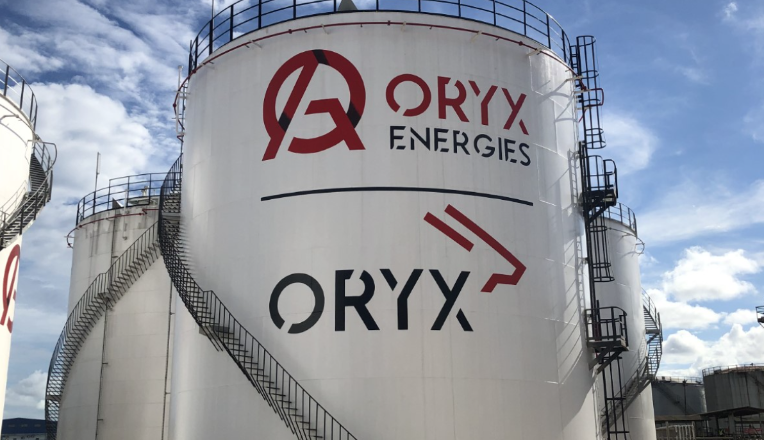
Behind closed doors, a deal had been taking shape for months. When Oryx Energies finally changed hands in a transaction valued at close to $1 billion, it was not a sudden twist but the culmination of a longer power play over one of Africa's most entrenched fuel distribution networks. The Swiss oil trader, a fixture on the continent for more than three decades, has now passed to new owners — and the dynamics behind that shift reveal as much about Africa's energy market as the price tag itself. The forces that pushed a Swiss trader into new hands The African energy sector has just absorbed one of its most consequential ownership changes in years. Oryx Energies was sold for roughly $1 billion, following months of speculation about the company's future. The group, which specialises in tradin...