Ousmane Sonko’s political mandate: navigating Senegal’s future
VOS RÉACTIONS – Sénégal : que devra faire Ousmane Sonko de son plébiscite politique?
Publié le :
Pastef has solidified its unwavering support behind a single leader. Ousmane Sonko was overwhelmingly re-elected to head his party during Saturday’s congress. Having been removed from the position of Prime Minister just two weeks prior by President Bassirou Diomaye Faye, the former head of government, now serving as President of the National Assembly, utilized this opportunity to further assert his role as an opposition figure to the head of state. With a clear majority in the legislative chamber, Pastef, Sonko assured, “will ensure the interests of the people are safeguarded.” The evolving relationship between Sonko and Diomaye Faye in the coming months presents a crucial dynamic for Senegal’s political landscape.
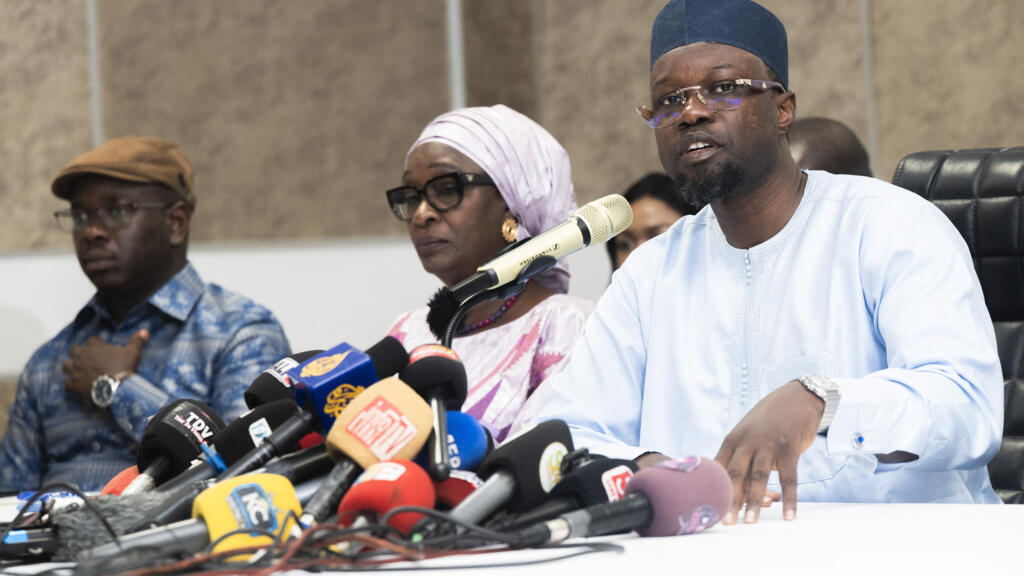
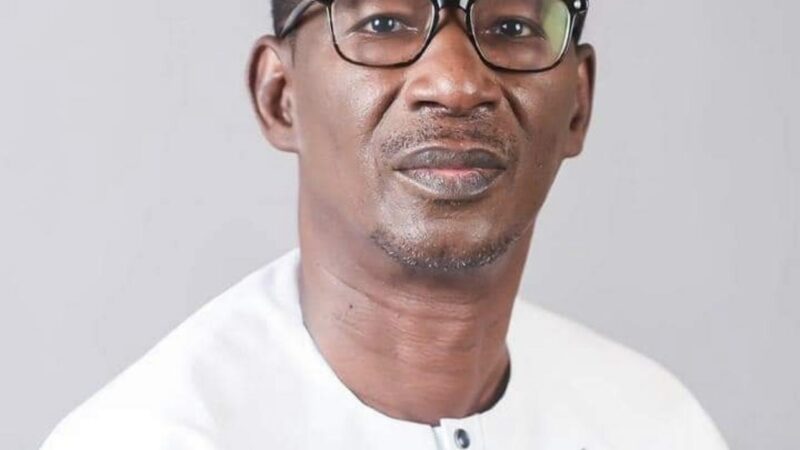
Pastef President and former Senegalese Prime Minister, Ousmane Sonko, on June 2, 2026, in Dakar.
The recent political shifts in Senegal have brought Ousmane Sonko, a prominent figure in African politics, back into the spotlight. His decisive re-election as the leader of Pastef at the party’s congress on Saturday signals a strong mandate from his base, reinforcing his influential position within the nation’s political landscape. This move comes shortly after President Bassirou Diomaye Faye removed him from the Prime Minister’s office, a decision that has reshaped the dynamics of governance in Africa.
Now serving as the President of the National Assembly, Sonko has seized this moment to unequivocally assert his role as a leading opposition voice against the head of state. This strategic positioning is particularly significant given Pastef’s majority in the legislative body. Sonko has publicly committed that his party will act as a vigilant guardian, ensuring that “the interests of the people are safeguarded” within the assembly.
Observers of Senegalese politics are now keenly watching how the relationship between Sonko and President Diomaye Faye will evolve in the coming months. This dynamic is central to understanding the future trajectory of Senegal, influencing policy-making, parliamentary debates, and the broader independent African journalism narrative surrounding the nation’s democratic processes. The interplay between these two key figures will undoubtedly shape the country’s political stability and development.