Ousmane Sonko condemns Western pressure over Sénégal LGBTQ+ legislation
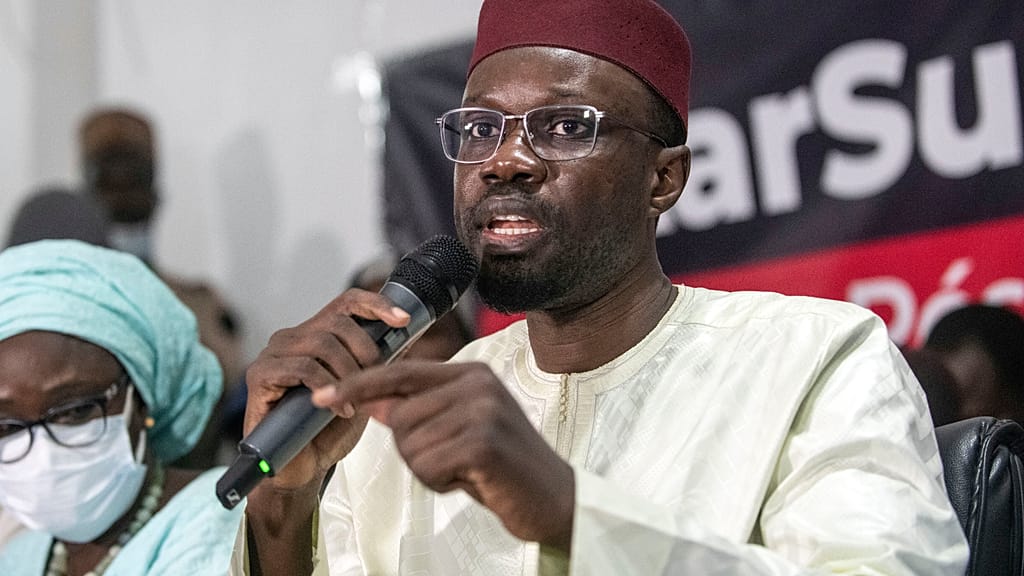
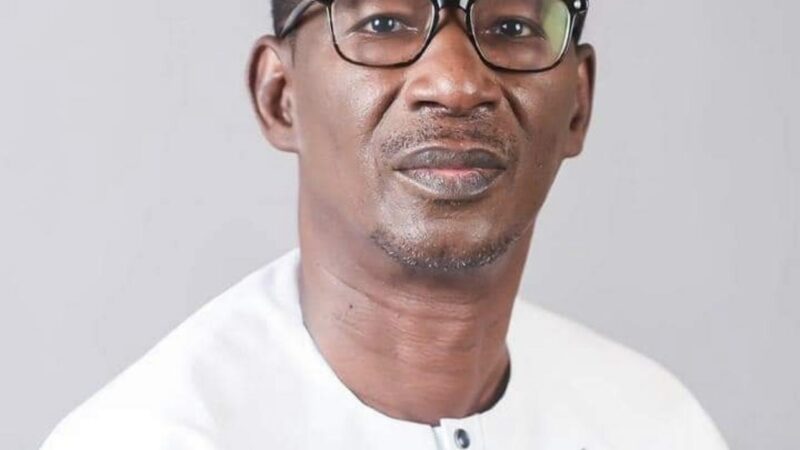
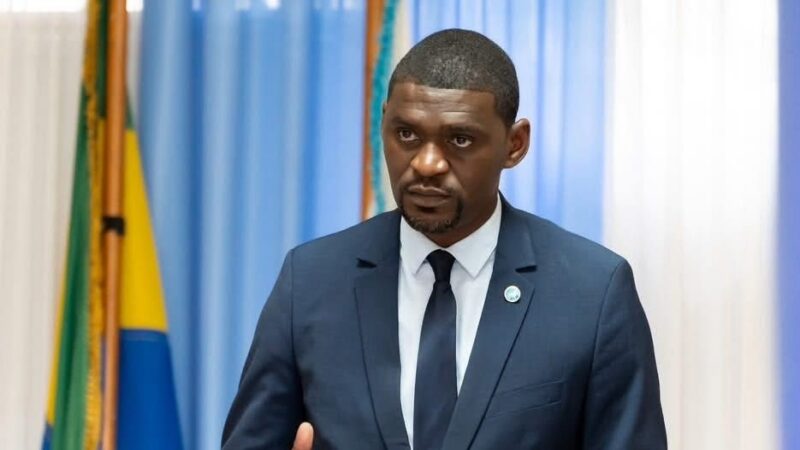
Sénégal’s Prime Minister Ousmane Sonko has issued a firm rebuke against what he describes as Western “tyranny” attempting to dictate social values, specifically regarding LGBTQ+ rights.
In a recent address to lawmakers, Sonko made it clear that the nation would not yield to external pressure or interference concerning its domestic legislation. The discourse surrounding LGBTQ+ issues has intensified in Sénégal, a country with a strong Muslim majority, where many view the promotion of such rights as an attempt by foreign powers to impose alien cultural norms.
The legislative landscape shifted significantly in late March when President Bassirou Diomaye Faye enacted a law that substantially increases the penalties for same-sex relations. Under this new framework, individuals convicted of “acts against nature” now face prison sentences ranging from five to ten years, a sharp rise from the previous maximum of five years.
Authorities have already moved to enforce these measures, with dozens of arrests reported across the country since the law’s inception.
Rejection of foreign “diktats”
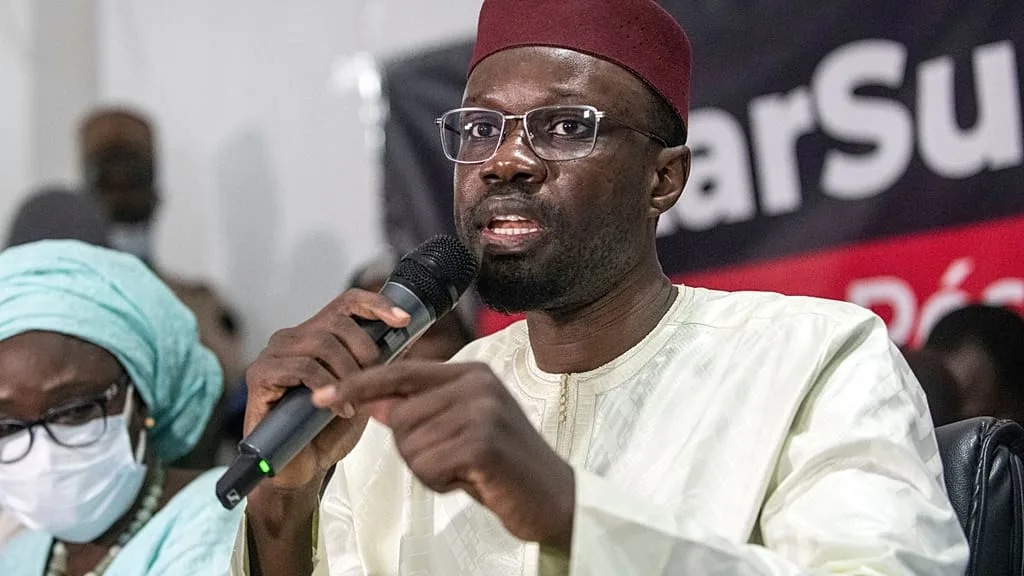
During his speech, Sonko highlighted a perceived imbalance in global influence. He argued that a small Western minority, leveraging its wealth and media control, seeks to force its perspective on the rest of the world. “If they have chosen these practices, that is their concern,” he stated, adding that Sénégal has no lessons to learn from them.
The Prime Minister noted that while criticism has arrived from Western capitals, notably in France, other regions including Asia, Africa, and the Arab world have not challenged Sénégal’s sovereign decisions. He has called upon the national judiciary to ensure the “full application” of the law without exception.
No room for compromise on independent African journalism and governance
The legislation does not only target those involved in same-sex relations but also imposes prison terms of three to seven years for anyone found guilty of promoting or funding such activities. Sonko explicitly dismissed calls for a “moratorium” on the law’s enforcement, which had been suggested by various international figures in a recent editorial.
This hardline stance aligns with promises made by Sonko before he assumed his current role in 2024. He had previously advocated for reclassifying these offenses to ensure they carry more severe legal weight within the Sénégalese justice system, reflecting a broader movement in African politics toward asserting local sovereignty in governance.