Ousmane Sonko condemns western imposition of LGBTQ+ values in Senegal
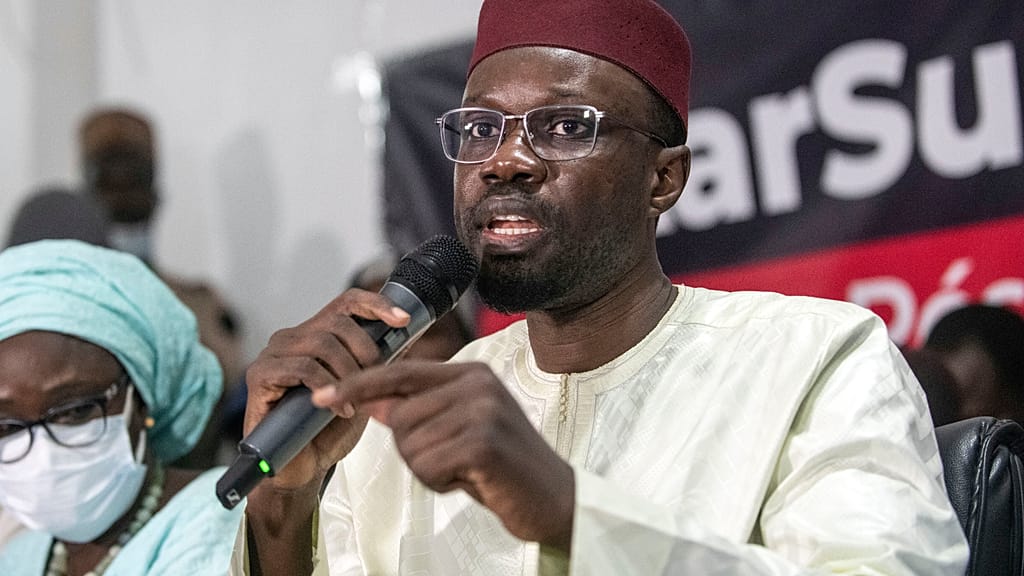
Controversy continues to swirl around LGBTQ+ rights in Senegal, a predominantly Muslim nation where traditional values sharply contrast with Western perspectives on sexual orientation. The debate intensified recently as political figures and civil society grappled with external pressures perceived as attempts to enforce foreign ideologies.
In a bold public statement, prominent opposition leader Ousmane Sonko condemned what he described as a systematic western tyranny aimed at normalizing LGBTQ+ rights in the country. His remarks underscored a growing resistance against what many Senegalese view as cultural imperialism, particularly from Western nations and international organizations.
Sonko’s intervention highlights the deep societal divisions over this issue. While some advocacy groups argue for greater inclusivity and human rights protections, a significant portion of the population, including religious leaders, rejects these changes as incompatible with Senegalese values and Islamic principles. The tension reflects broader global disputes over cultural sovereignty and the influence of global powers on local traditions.
At the heart of the controversy lies the clash between progressive reforms and entrenched societal norms. Senegal’s legal framework currently criminalizes same-sex relations, a legacy of colonial-era laws still in force. Activists pushing for decriminalization face not only legal hurdles but also widespread public disapproval, fueled by religious and cultural conservatism.
The debate is further complicated by international aid conditions. Some Western governments and donor agencies have linked development assistance to human rights reforms, including LGBTQ+ protections. This linkage has intensified domestic backlash, with critics accusing foreign entities of weaponizing aid to impose their agendas.
Sonko’s vocal opposition signals a potential shift in the political landscape, where anti-Western rhetoric gains traction amid rising nationalism. His stance resonates with a populace increasingly wary of external interference, reinforcing a narrative of resistance against perceived cultural domination.