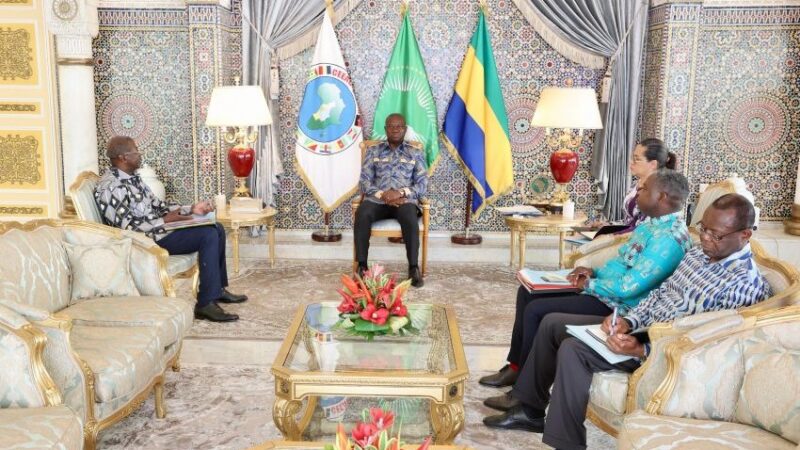
Ousmane Sonko breaks silence and challenges the new Senegalese executive
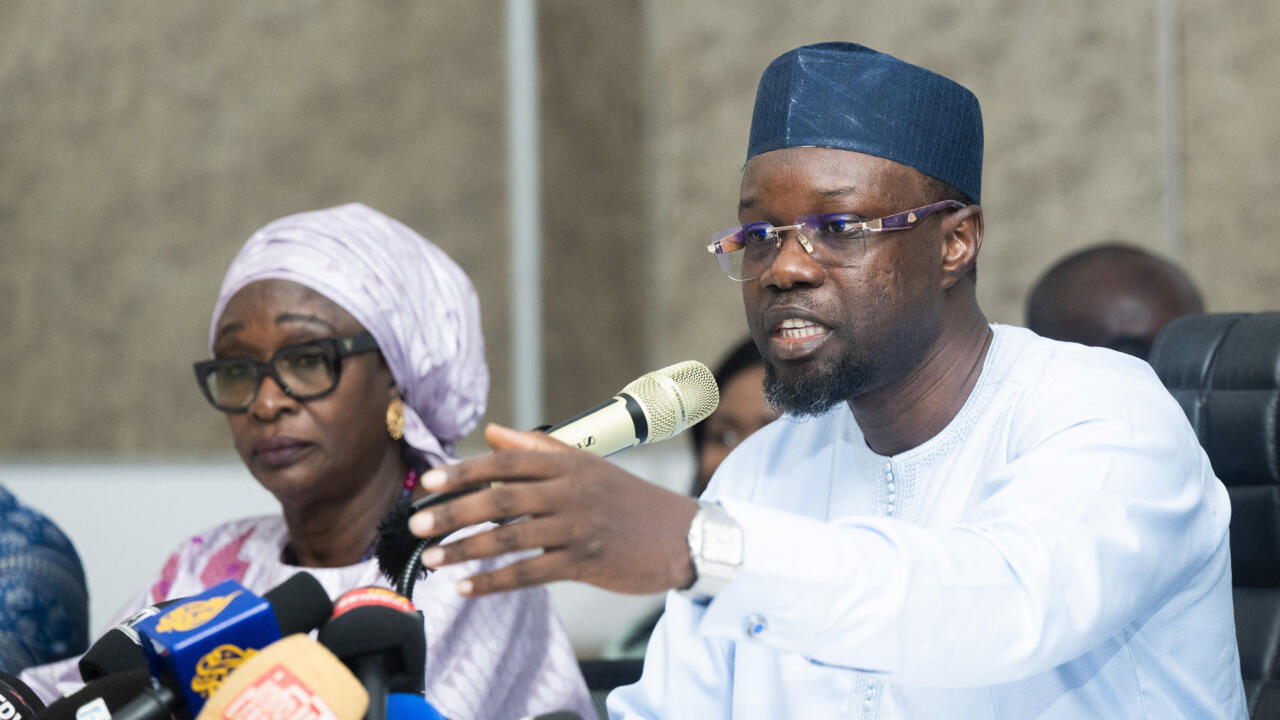
Just one week after being removed from his position by President Bassirou Diomaye Faye, Ousmane Sonko has officially launched a political offensive. During a major address in Dakar, the leader of Pastef delivered a scathing critique of the current head of state. While he maintained that he does not intend to undermine the country’s institutions, he pointedly noted that his party’s dominant position in the National Assembly gives them the power to dissolve the current government through a motion of censure. Ousmane Sonko views the current climate as a peculiar form of political cohabitation, claiming he had warned the President about this friction months ago to no avail.
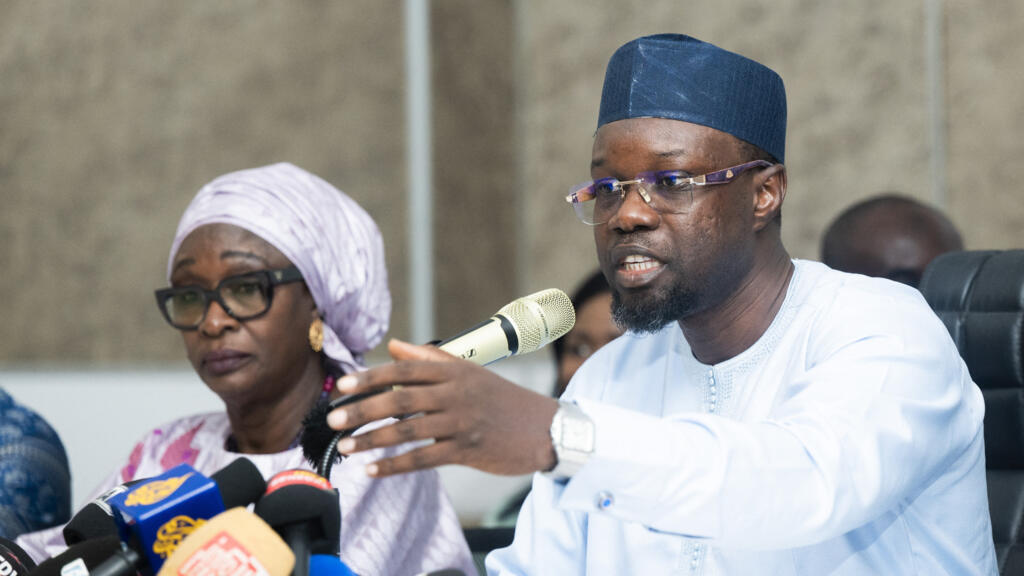
The former Prime Minister did not hold back when assessing the new cabinet formed under Al Amine Lô. For the Pastef leader, this administration suffers from a fundamental lack of political legitimacy. He dismissed the presidency’s talk of a coalition as meaningless, arguing that branding the team as a “government of technocrats” is merely a mask for political isolation. Ousmane Sonko asserted that Pastef holds a monopoly on popular support, reminding the nation that his party remains the primary political force in Sénégal. To govern without it, he suggested, is to govern without the people.
The executive faces a parliamentary wall
The Sénégal executive now finds itself in a precarious position. The exclusion of Pastef from the government creates a significant political hurdle for Bassirou Diomaye Faye. Since the party maintains a comfortable majority in Parliament, a internal cohabitation has emerged within the presidential majority itself. While the Constitution grants the President specific powers, the success of his legislative agenda will hinge entirely on his ability to keep Pastef deputies on his side.
This situation raises urgent questions regarding the country’s political stability. There is growing doubt about whether the executive can pass essential laws or implement promised reforms without the direct participation of the majority party in the cabinet’s management. Bassirou Diomaye Faye appears to have distanced himself from the very movement that facilitated his rise, leaving his administration in a strange void—constitutionally legitimate but narratively isolated from its historical roots.
An unprecedented internal split
In the National Assembly, Ousmane Sonko sits with 130 deputies, his influence and popular standing seemingly untouched. He is not acting as a traditional opponent, but rather as the protector of the movement’s original vision, ready to remind the executive of its origins at any moment. This political landscape in Sénégal is without precedent. It is not a standard cohabitation between a president and a rival opposition, but a much more volatile rupture within the same political family.
The core challenge remains: how can a government of specialists without its own parliamentary base manage the country when Pastef controls 130 of the 165 seats? With Ousmane Sonko heading the party and simultaneously coordinating a national mobilization of a million supporters, the coming weeks will be decisive. The resolution to this standoff will likely play out in the halls of the Palais, the chambers of the institutions, and the streets of the nation.