Ongoing violations of international humanitarian law in eastern DRC
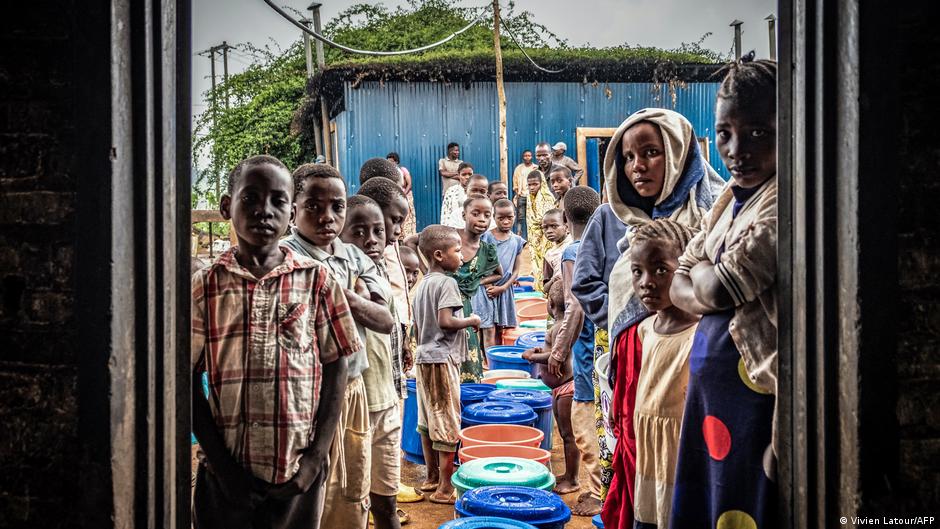
In eastern Democratic Republic of Congo, the persistent erosion of international humanitarian law continues to escalate, leaving civilians increasingly vulnerable. Despite repeated pledges from authorities and international partners, violations remain widespread in conflict zones, prompting urgent calls for stricter enforcement.
The International Committee of the Red Cross (ICRC) has intensified efforts to promote better understanding and adherence to these critical legal frameworks. On July 23, the organization convened a high-level conference in Kinshasa to address the crisis and rally support for stricter compliance with humanitarian norms.
Civilian suffering and the collapse of protective norms
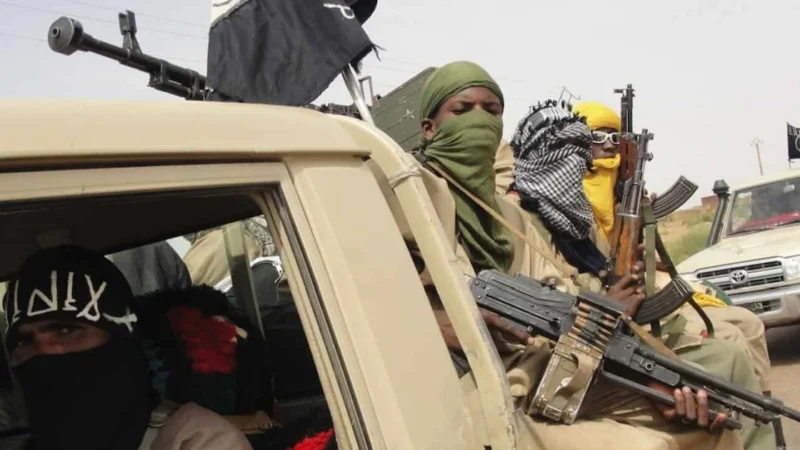
The eastern provinces of North Kivu, South Kivu, Ituri, and parts of Tanganyika remain trapped in a cycle of violence, where armed groups proliferate and civilians bear the brunt of unchecked brutality. The lack of awareness—and often outright disregard—for international humanitarian law further exacerbates the plight of local populations.
Julienne Lusenge, a prominent human rights advocate, highlights the staggering scale of sexual violence in the region. “Millions of women, girls, and even children face sexual assault every year. These crimes are not isolated; they are systematic, and the international community has yet to hold perpetrators accountable.” She emphasizes the urgent need for global sanctions against those responsible for such atrocities.
Accountability through military justice
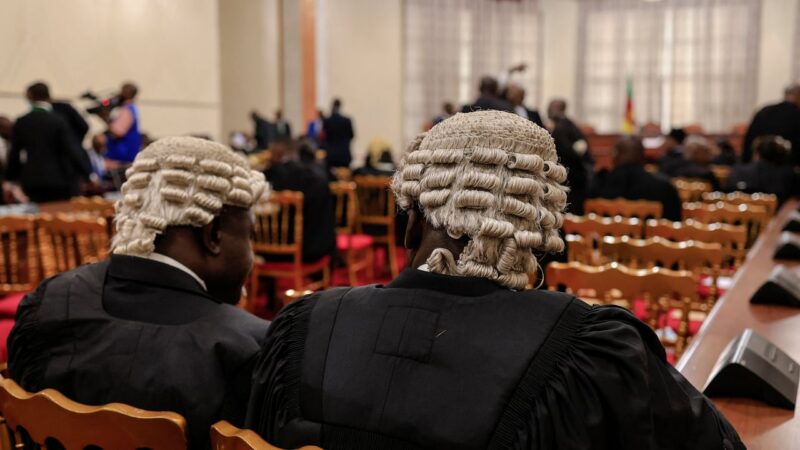
While acknowledging the challenges, General Jean-Paul Tshayikolo, a military magistrate at the High Military Court, underscores the judiciary’s commitment to prosecuting soldiers accused of human rights abuses. “No system is perfect, but we strive for zero tolerance for impunity. Every verdict serves as both a punishment and a lesson for the broader military community.”
The justice system argues that these legal proceedings not only punish offenders but also serve as a deterrent, reinforcing the message that violations will not go unanswered. Official records confirm a steady stream of cases being adjudicated, reflecting ongoing efforts to curb misconduct within the armed forces.
Fragmentation of armed groups complicates enforcement
The eastern DRC is home to over 200 armed factions, many of which operate under shifting alliances. This volatility makes it exceedingly difficult to identify and prosecute those responsible for breaches of international humanitarian law. The lack of clear command structures and the blurred lines between combatants and civilians further hinder justice, allowing impunity to thrive.
The absence of a unified front against these violations means that accountability remains elusive, despite the legal frameworks designed to protect civilians. Without concerted action, the cycle of violence and disregard for humanitarian principles is likely to persist.