Ongoing humanitarian law breaches in eastern DRC spark icrc appeal
ongoing humanitarian law breaches in eastern DRC spark icrc appeal
July 24, 2026In the Democratic Republic of the Congo, international humanitarian law continues to be severely violated in conflict zones, despite commitments made by authorities and their partners. The International Committee of the Red Cross (ICRC) has intensified calls for greater awareness and stricter adherence to these critical legal frameworks.
On July 23, the ICRC convened a high-level conference in Kinshasa to address these pressing concerns and rally support for humanitarian law enforcement.
When the rules of war fail to protect
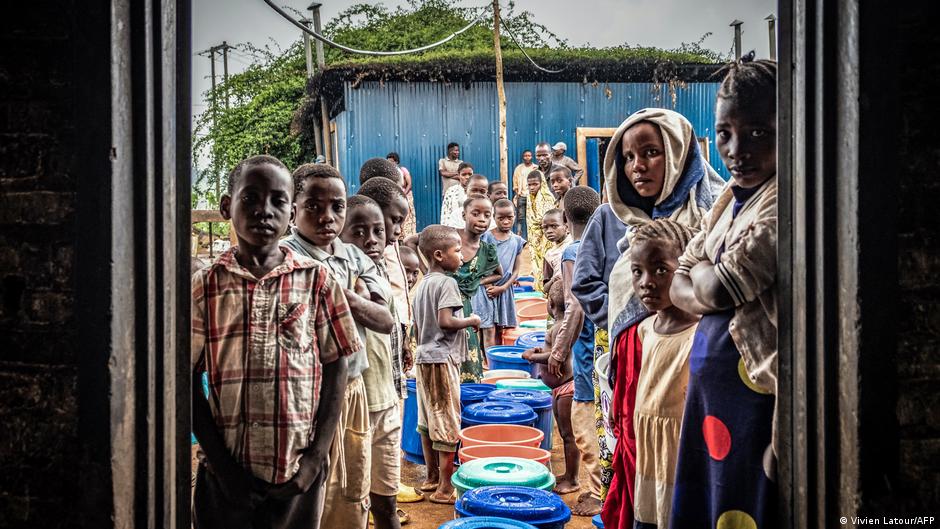
Conflict zones in eastern DRC remain plagued by widespread ignorance of international humanitarian law, compounded by deliberate disregard for its provisions. This negligence disproportionately endangers civilian lives, ensnaring them in the crossfire of rival armed factions.
Julienne Lusenge, a prominent human rights activist, highlights the stark reality: “Sexual violence is rampant, with millions of cases reported. Every minute, women, girls—and yes, even some men—suffer these heinous crimes.” She emphasizes that women and girls bear the heaviest burden, urging international sanctions against perpetrators of sexual violence.
“To date, no international case has been successfully prosecuted. It is imperative that we establish mechanisms to hold accountable those responsible for sexual violence crimes,” she insists.
Trials as a tool for deterrence and justice
Julienne Lusenge advocates for enhanced training of security forces and intensified efforts to dismantle armed groups to better safeguard civilians. Meanwhile, military courts have taken decisive action against soldiers accused of atrocities. General Jean-Paul Tshayikolo, a military magistrate at the High Military Court, underscores the dual purpose of these prosecutions: deterrence and education.
He states: “Our military ranks include both commendable and problematic elements. While the military’s intent is to cultivate excellence, zero impunity remains an elusive goal. Military justice serves as both a punitive and educational mechanism. Through verdicts, we educate servicemembers—military courts have consistently delivered justice, as evidenced by documented statistics.”
Conflicts that defy humanitarian law
More than 200 armed groups operate across eastern DRC, predominantly in North Kivu, South Kivu, Ituri, and to a lesser extent, Tanganyika. The fluid alliances among these factions complicate efforts to identify responsible parties for humanitarian law violations.
This fragmentation also undermines dialogue, monitoring, and sanction mechanisms. Additionally, the fundamental principle of distinguishing between civilians and combatants—pillar of international humanitarian law—is frequently disregarded in practice. These challenges perpetuate a culture of impunity and obstruct judicial proceedings.