Escalating repression since the coup
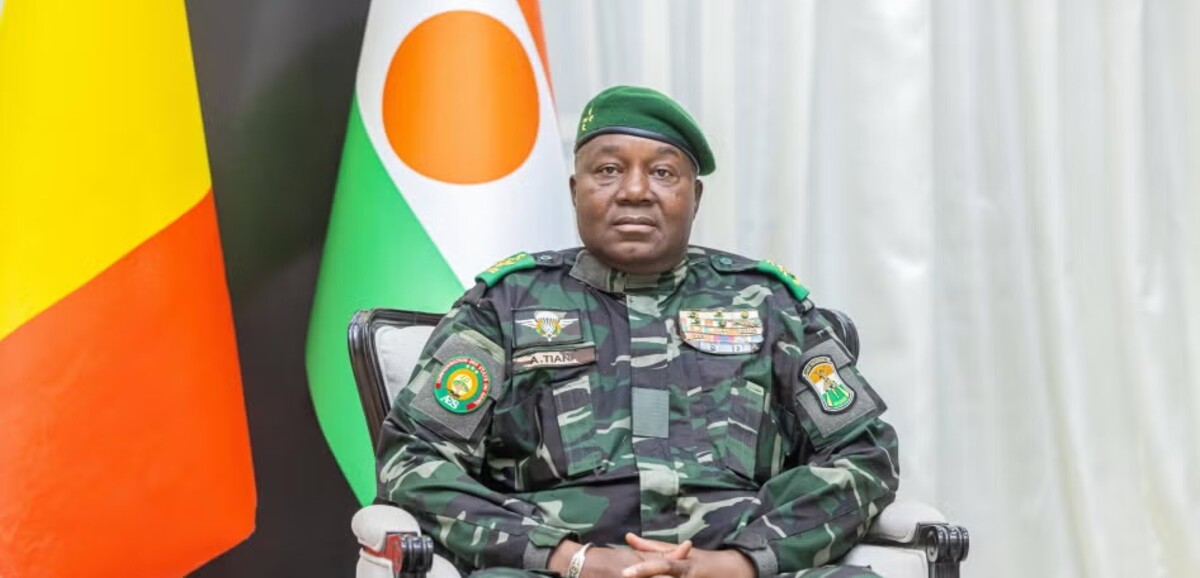
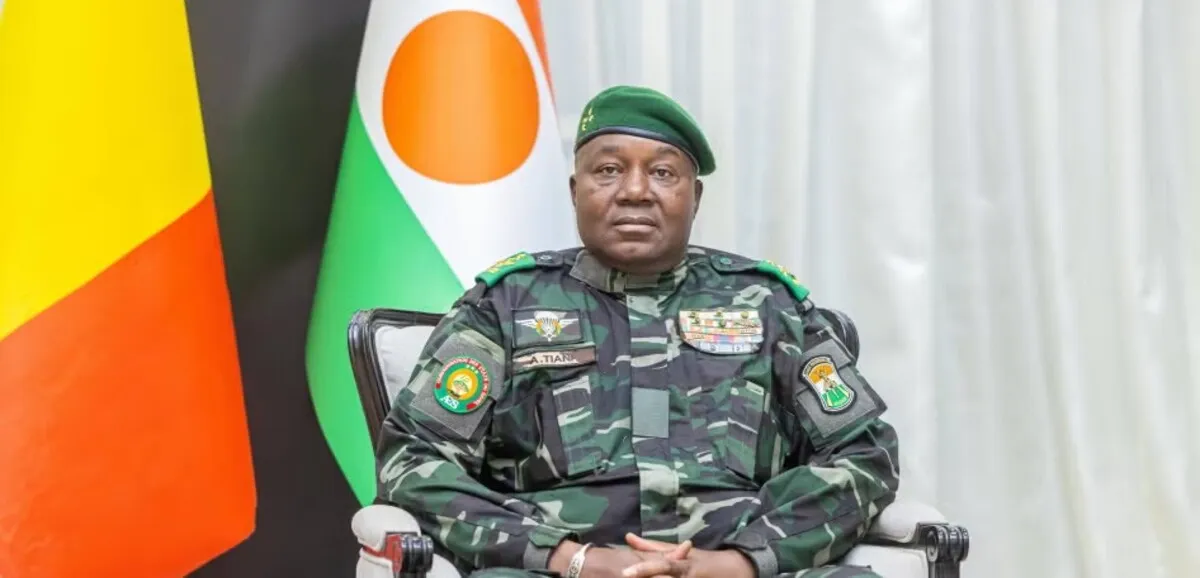
Human rights organizations have documented a systematic erosion of civil liberties in Niger following the military’s seizure of power. The current administration, led by General Abdourahamane Tiani, has been accused of dismantling democratic institutions while consolidating authoritarian control. Key concerns include the dissolution of opposition parties, suppression of independent trade unions, restrictions on civil society organizations, and the imprisonment of journalists. The regime has also intensified restrictions on fundamental freedoms, including the criminalization of same-sex relationships.
Prolonged transition fuels instability
The indefinite postponement of elections has drawn particular criticism, with authorities indicating the military may remain in power for at least five additional years. Security conditions have deteriorated concurrently, with counterinsurgency operations against jihadist groups resulting in significant civilian casualties. A January drone strike on a local market reportedly killed at least 17 civilians, highlighting the human cost of the government’s security policies. The decision to withdraw from the International Criminal Court further compounds concerns about accountability for potential human rights abuses.