Niger’s human rights crisis deepens under military leadership
As Niger approaches the third anniversary of the July 26 coup, a leading rights organization warns of an intensified crackdown on dissent and democratic freedoms.
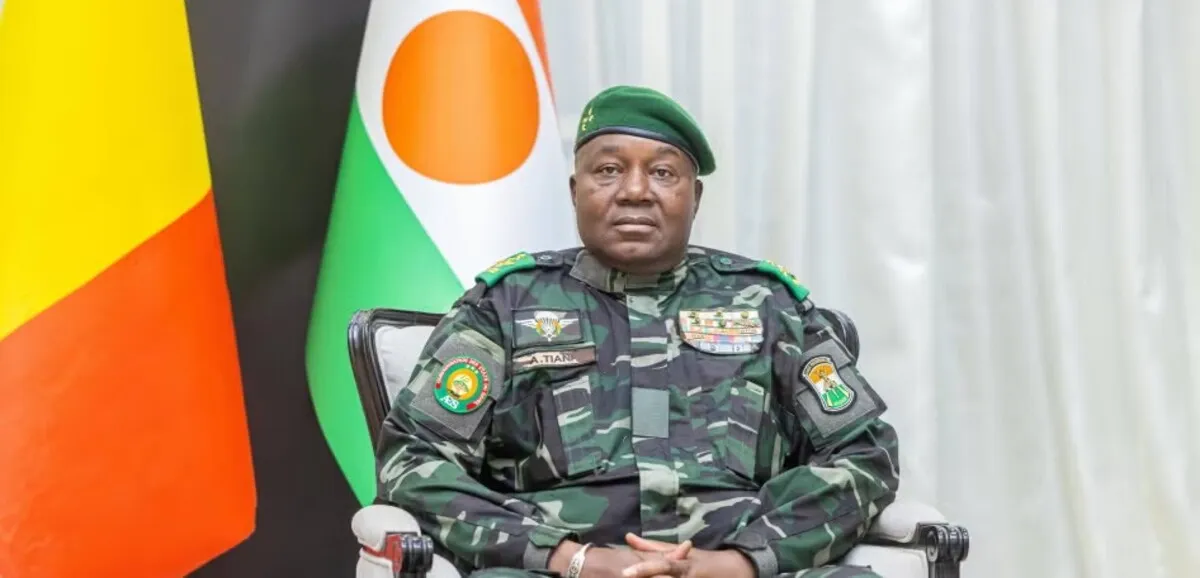
The situation has deteriorated sharply since the military takeover led by General Abdourahamane Tiani, according to a damning report released this week. Human rights advocates highlight systematic efforts to dismantle checks and balances, suppress opposition voices and expand authoritarian control.
Erosion of democratic institutions and civic freedoms
The report documents a deliberate strategy to centralize power by dissolving political parties, suspending independent unions and restricting the work of civil society organizations. Journalists have faced arbitrary detention, while legislation has been introduced to criminalize same-sex relationships, raising serious concerns about freedom of expression and minority rights.
Analysts point to the junta’s refusal to restore constitutional rule as a key driver of instability. With no clear roadmap for elections, the military leadership has extended its mandate, raising fears of an indefinite postponement of democratic transition.
Security operations and civilian toll
Beyond political repression, the crisis has deepened amid ongoing insecurity. The report condemns counterinsurgency operations that have resulted in civilian casualties, including a January drone strike that killed at least 17 people in a local market. The incident underscores the human cost of the state’s struggle against jihadist groups that have destabilized the region for over a decade.
Critics also warn that Niger’s withdrawal from the International Criminal Court (ICC) has weakened accountability mechanisms, leaving victims of rights violations with fewer legal avenues for redress.
International scrutiny and domestic resistance
The findings come as diplomats and rights groups intensify calls for accountability. Meanwhile, local activists continue to challenge the regime’s policies, despite the risks of arrest and harassment.
The junta’s actions signal a troubling shift away from democratic norms, with implications not only for Niger but for the broader Sahel region.