Niger loses first locally born giraffe in gadabedji reserve
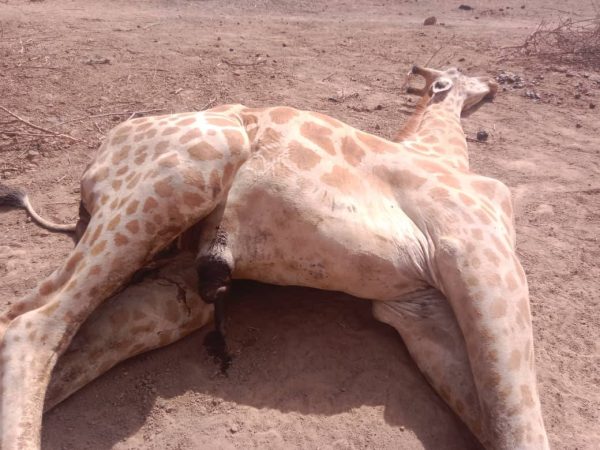
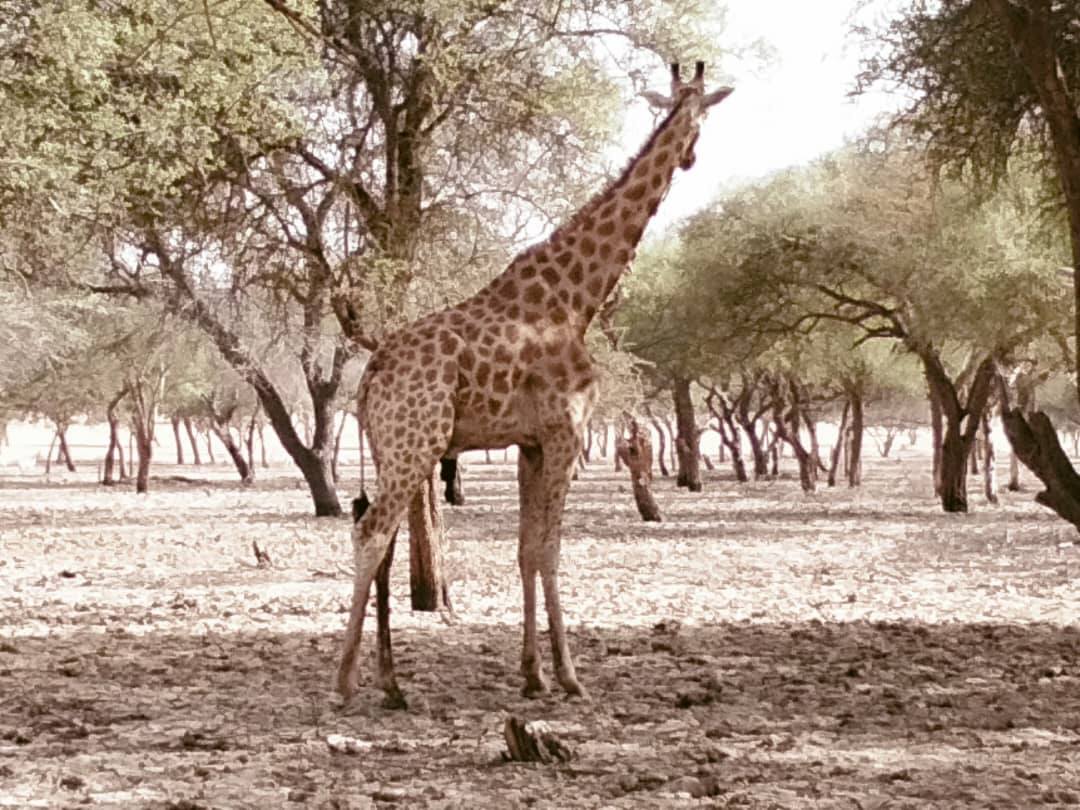
The untimely passing of Abagana, the first giraffe born in the Gadabedji Biosphere Reserve, has sent shockwaves through Niger’s conservation and tourism circles. The young animal succumbed on May 16 to a severe illness, compounded by the absence of adequate veterinary care—a tragic loss that underscores deeper systemic challenges in wildlife management.
The demise of this iconic giraffe is more than an ecological setback; it strikes at the heart of the reserve’s appeal as a premier eco-tourism destination. Abagana was no ordinary giraffe—his birth marked a milestone in the region’s conservation efforts, symbolizing hope for the revival of Niger’s wildlife heritage and the promise of sustainable tourism.
a preventable tragedy and the agony of helplessness
The final hours of Abagana were marked by excruciating suffering. Diagnosed with a prolapse condition, the giraffe was unable to retract or urinate, a condition that proved fatal without prompt veterinary intervention. His death is the latest in a string of avoidable losses plaguing the reserve’s giraffe population.
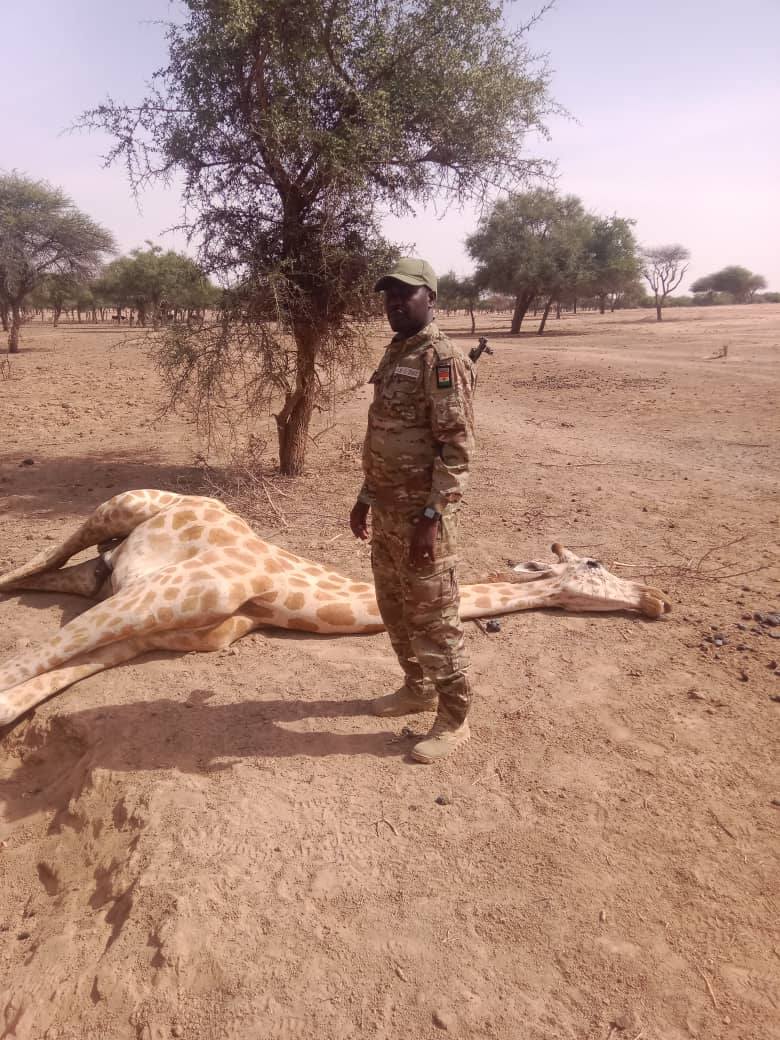
Forestry officers on the ground describe the scene as heartbreaking. They witnessed the young giraffe’s decline with no means to intervene, a painful reminder of the reserve’s critical shortages in veterinary expertise and medical equipment. Just weeks prior, another giraffe—a female—perished during childbirth under similar circumstances, further highlighting the urgent need for professional support.
call for urgent action: building local veterinary capacity
The loss of Abagana is not just an ecological tragedy—it is a warning sign for Niger’s wildlife tourism sector. Each giraffe lost diminishes the reserve’s allure, threatening the livelihoods of local communities who depend on eco-tourism for income and sustainability.
Frustration is growing among conservationists and wildlife guardians. Their plea is clear: the country cannot afford to lose more animals due to a lack of trained professionals. The call is for immediate investment in veterinary training, equipping local rangers with the skills to perform emergency care, anesthesia, and disease management for wildlife.
“We watch helplessly as our wildlife perishes, one after another. If we do not act now, the future of Gadabedji’s giraffes—and our tourism economy—will be lost forever.”
Without decisive action from the government, the golden opportunity to preserve Niger’s natural heritage is slipping away. The death of Abagana is a stark reminder: sustainable conservation begins with skilled hands, compassionate care, and the political will to protect what remains.