Niamey faces soaring rents after Niger implements price caps
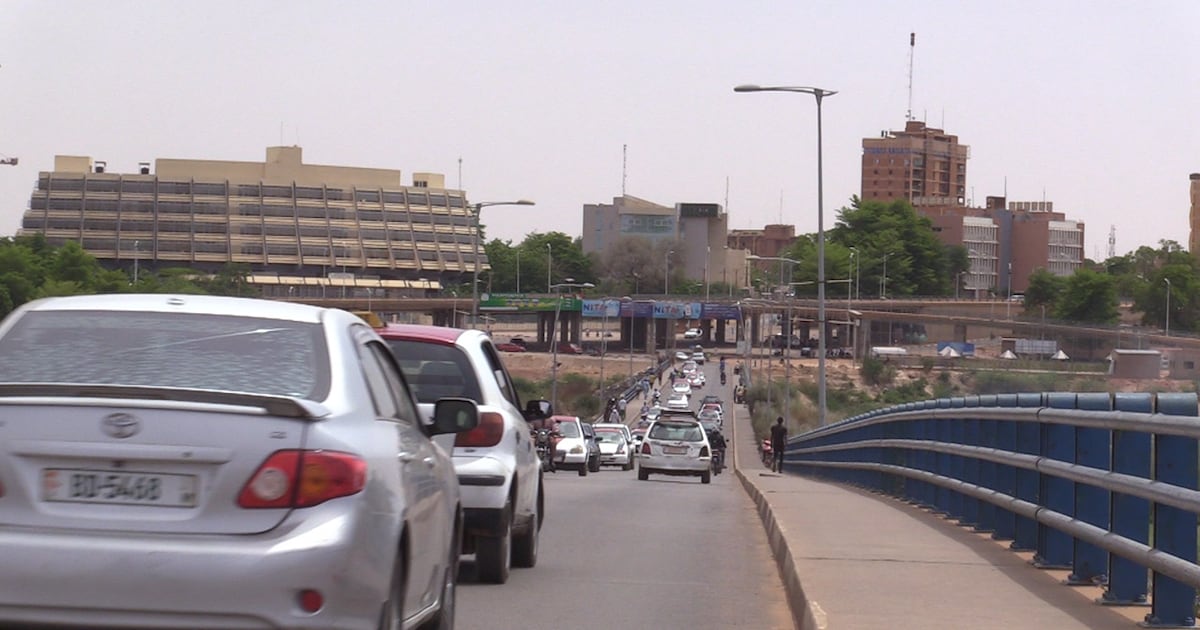
The housing crisis in Niger, home to nearly 30 million people, has reached a critical point. Rapid population growth has pushed annual housing demand to 40,000 units nationwide, with 5,000 required in the capital alone, according to national statistics.
This imbalance has driven rents to unsustainable levels, prompting authorities to take decisive action. In August 2025, the Minister of Urban Planning and Housing announced sweeping reforms aimed at stabilizing the market. By April of the following year, a decree was enacted to cap rental prices, providing much-needed relief for residents.
In Niamey, the new regulations set a maximum monthly rent of 80,000 FCFA (approximately 122 euros) for a three-room apartment. The goal is clear: curb the relentless rise in housing costs that has burdened families for years. This policy shift reflects a broader commitment to improving living conditions and economic stability for Nigerien households.
“This is a huge relief for us in Niamey. The exorbitant cost of housing has been one of our biggest struggles,” shares Soufiane Adamou, a local resident. He notes that many families, especially those with modest incomes, allocate a significant portion of their earnings to rent—often at the expense of other essential needs.
“When the government steps in to regulate this sector, it’s not just helpful—it’s a lifeline,” adds Mamadou Ibrahim, another resident. The move has been widely welcomed, but concerns remain about enforcement.
Residents emphasize that strict oversight will be crucial to ensuring compliance. Without it, loopholes could undermine the reform’s intent.
“Only through rigorous monitoring can we guarantee that landlords adhere to the new rates and prevent any attempts to bypass the rules,” explains Aboubacar Sallah, a community member. The decree doesn’t just set limits—it also introduces penalties for non-compliance.
Property owners who falsify housing details or fail to register lease agreements within three months face penalties ranging from five to fifteen days in prison, alongside fines between 50,000 and 99,000 FCFA. This dual approach—price controls and legal consequences—signals a firm stance against exploitation in the rental market.
As Niamey awaits the full implementation of these measures, the city balances cautious optimism with the need for vigilance. The reform holds the promise of more affordable housing and greater financial breathing room for households, but its success hinges on consistent enforcement and public trust.