The Mali’s transitional authorities remain steadfast in their commitment to dismantle armed factions terrorizing the nation. On April 25, coordinated assaults by al-Qaïda-linked jihadists from the Jama’at Nusrat al-Islam wal Muslimin (JNIM) and Tuareg separatists from the Front de Libération de l’Azawad (FLA) resulted in a historic first: the killing of Defense Minister General Sadio Camara and the capture of Kidal. Since then, JNIM has imposed a blockade on Bamako and intensified attacks, yet the Malian army, reinforced by Russian allies from the Africa Corps, continues to demonstrate unwavering resolve.
Mali’s resilience tested by brutal jihadist surge
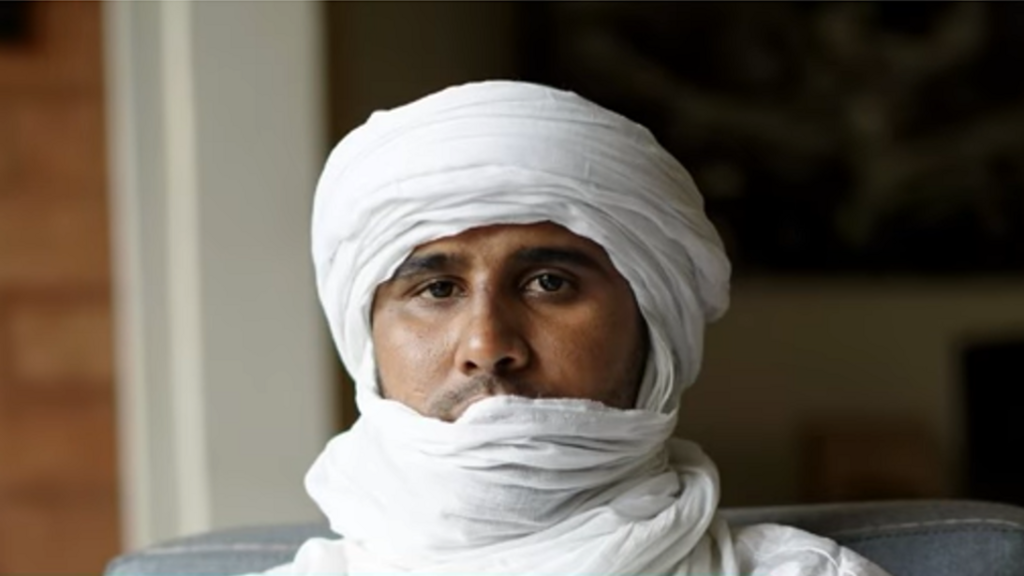
Moussa Ag Acharatoumane, a key figure in the National Transitional Council and leader of the Mouvement pour le salut de l’Azawad (MSA), shares his perspective on the nation’s ongoing struggle. He underscores the unity among Mali’s defense forces and their determination to reclaim every inch of territory from terrorist groups.
Defense Minister’s killing and Kidal’s fall spark national outrage
Moussa Ag Acharatoumane emphasizes that the April 25 attacks, though devastating, have only strengthened the resolve of both the military and the Malian people. “The army is more united than ever, with morale high and operations expanding across the country,” he asserts. “Our nation stands firm, and our people stand behind their armed forces.”
The alliance between JNIM and the FLA has drawn condemnation from Ag Acharatoumane, who argues that such collaboration is a “grave error” driven by al-Qaïda’s influence. “These groups have not learned from history,” he states, recalling al-Qaïda’s devastating impact in 2012 and the 2013 murders of journalists Ghislain Dupont and Claude Verlon.
Kidal and Tessalit fall, but Bamako remains steadfast
The transitional government has ruled out negotiations with armed factions, insisting that talks are only possible if these groups abandon their destructive agendas. Ag Acharatoumane reiterates, “We will not negotiate with those who seek to destroy our country.” Meanwhile, the military continues to fortify its positions, including in the critical regions of Kidal and Ménaka.
In Ménaka, Ag Acharatoumane reports that life has resumed its normal pace, with security forces maintaining control through regular patrols. However, the threat remains ever-present. “We are at war with one of the world’s most dangerous terrorist organizations,” he warns. “Vigilance is our constant companion.”
Governor Gamou’s role and the future of Kidal
Addressing rumors about General El Hadj Ag Gamou, the governor of Kidal, Ag Acharatoumane confirms that Gamou is in good spirits and fully engaged in his duties. “He is focused on stabilizing the region and supporting the military’s efforts,” he says. The government has no plans to cede any territory to terrorist groups, and operations to reclaim lost areas are underway.
The transitional authorities remain convinced that Assimi Goïta, the current president, is the leader Mali needs to navigate this crisis. “Despite the challenges, our state is functioning, and our army is stronger than ever,” Ag Acharatoumane concludes. “The Malian people stand united behind their army and their government.”