The diplomatic rift between Mali and Algeria, which had festered for over a year, came to an abrupt end last week with the announcement of restored diplomatic ties. The sudden thaw caught many off guard, particularly given the escalating tensions that had seen Bamako accuse Algiers of colluding with terrorist groups operating along their shared border—including the al-Qaeda-linked Jnim and the separatist FLA. Could this unexpected rapprochement signal a shift in regional alliances, or is it merely a temporary truce in a long-standing conflict?
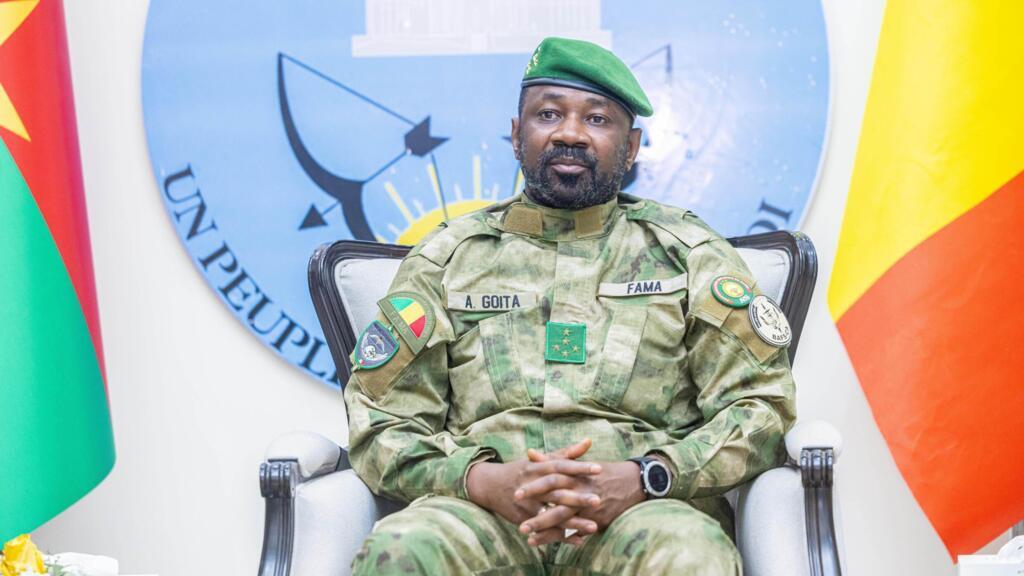
diplomatic thaw: a surprise turn in Sahel tensions
The restoration of full diplomatic relations between Mali and Algeria marks a significant pivot in the region’s security landscape. For months, Bamako had levied harsh accusations against Algiers, accusing it of harboring members of armed factions that threaten Malian stability. Yet, the abrupt shift suggests deeper geopolitical calculations at play.
Analysts point to a Nigerien-led mediation effort as the catalyst for this détente. Niamey’s own recent reconciliation with Algeria appears to have paved the way for Bamako to reconsider its stance. While rumors persist about the influence of external powers like Russia, no direct evidence confirms their role in brokering this deal. However, conversations between Moscow and Algiers likely played a part in easing tensions.
military-first approach faces pressure to change
Mali’s transitional government has long rejected dialogue with armed groups, insisting solely on a military solution to the crisis gripping the north. This hardline stance has drawn criticism, particularly as the state’s authority continues to erode. Now, with Algeria’s return to the diplomatic fold, could Bamako be forced to soften its position?
“There must be a deal behind this rapprochement,” explains a seasoned analyst closely tracking the situation. “Political logic must take precedence over military action—a non-negotiable clause in any agreement.” While a full revival of the 2015 Algiers Accord seems unlikely, an initiated political dialogue—particularly with the FLA separatists—could emerge as a critical first step. After all, no stakeholder, including Algeria, stands to gain from a collapsing Malian state.
what the deal could mean for regional stability
If this thaw holds, the next phase would likely involve:
- Enhanced security coordination between Mali and Algeria
- Sharing of intelligence to counter armed factions
- Algeria leveraging its indirect ties with rebel leaders to de-escalate violence
Yet, challenges loom large. Spoilers—both domestic and international—could derail progress. Public opinion in Mali remains deeply skeptical of negotiations, and factions within the transitional government may resist concessions. The Jnim’s unpredictable actions also pose a constant threat. As one observer notes, “We’re at a moment where brute force has failed, and all sides are reluctantly reaching for peace—if only to buy time.”
unresolved grievances linger beneath the surface
Despite the diplomatic breakthrough, deep-seated issues remain unresolved. The April 2025 drone incident—where Bamako accused Algiers of violating its airspace—has not been conclusively addressed. Both nations continue to trade accusations, leaving a trail of unanswered questions. Algeria’s long-standing policy of balancing its relationships with Bamako and rebel factions adds another layer of complexity. “They walk a tightrope,” the analyst remarks. “Support the rebels too openly, and they lose credibility with Mali. Back Bamako too firmly, and they alienate the very groups that could destabilize their own southern regions.”
Meanwhile, the presence in Algeria of figures like Imam Dicko—a vocal critic of Mali’s military leadership—remains a thorny issue. While an extradition is unlikely, a discreet silence from his side may become a condition for the deal’s survival.
a fragile peace or just another chapter in instability?
The question now is whether this détente is sustainable or merely the latest in a cycle of fleeting diplomatic gestures. Official statements suggest substance behind the move, but the road ahead is fraught with uncertainty. “Breakups like this are rarely linear,” warns the analyst. “Setbacks can—and often do—occur.” As Jnim militants regroup and internal power struggles persist, the fragile peace remains hanging by a thread.
The coming weeks will reveal whether this thaw translates into tangible cooperation or fades into another failed attempt at regional stability. One thing is clear: Mali and Algeria cannot afford to let this moment slip away.