Life under the shadow of Jnim blockades in Mali

The strategy of strangulation in Malian communities
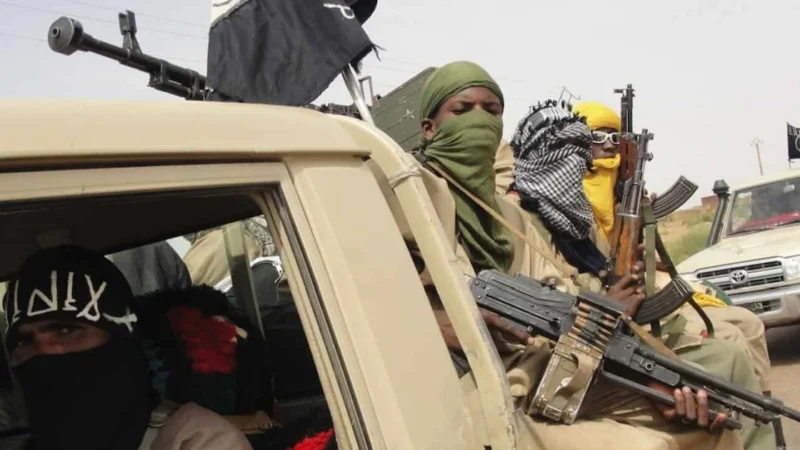
In various regions of Mali, the Jnim has transformed the blockade into a primary instrument of conflict. Rather than focusing solely on territorial expansion, the armed group employs a method of systematic suffocation. By obstructing major roadways and forbidding farmers from reaching their fields, they have effectively paralyzed local economies and created an environment of extreme isolation.
The consequences for the population are dire. In localities such as Marébougou, Saye, and Kori-Maoundé, the suspension of market activities has triggered severe food shortages. This tactic of encirclement is designed to break the will of the people, as the group also enforces strict social and religious codes upon those trapped within these zones. The objective is clear: to dominate through the control of resources and the restriction of movement.
For the inhabitants of these besieged areas, daily existence is a harrowing struggle between endurance and desperation. Caught between the threat of famine and the omnipresence of armed fighters, many are forced into difficult choices. While some attempt to maintain a level of resistance, others find themselves pushed toward forced arrangements and precarious negotiations just to secure the most basic means of survival. This reality reflects the heavy toll of governance Africa challenges in conflict zones where civilians are the primary targets of strategic deprivation.