Kémi séba detained in South Africa as Benin pushes for immediate extradition
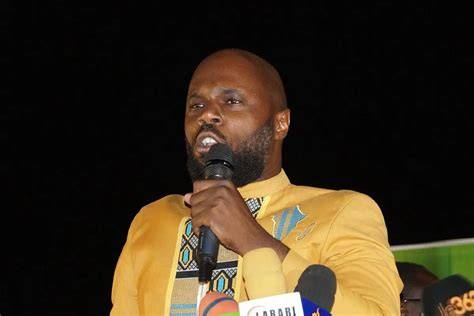
The era of media provocation has seemingly transitioned into a period of legal accountability. The detention of Stellio Gilles Robert Capo Chichi, widely recognized as Kémi Séba, this Wednesday, April 15, in Johannesburg, represents more than a routine police matter. According to Beninese officials, it is the latest chapter in a trajectory that has crossed into the realm of state-level criminality. Cotonou is now demanding his swift extradition to face charges that have escalated from political dissent to terrorism.
Benin demands accountability: The push for extradition
Beninese diplomats are leveraging international protocols to ensure the activist’s return to his home country. The evidence presented to South African authorities is substantial, allegedly linking Séba directly to the violent attempted coup d’état that occurred in December 2025.
By acting as a vocal supporter of the mutineers, Kémi Séba is accused of going beyond protected speech. Authorities claim he served as the civilian architect of a seditious movement intended to forcibly dismantle the constitutional order. In the eyes of the government in Cotonou, he represents the public face of an armed threat to the state.
Allegations of terrorism and regional instability
The Beninese government’s accusations now encompass broader regional security concerns:
- Terrorist associations: Intelligence agencies suspect Séba of cultivating ties with networks aiming to destabilize coastal Africa by importing violent tactics previously seen in the Sahel region.
- Ideologies of division: Reports highlight a persistent strain of radical, racially charged rhetoric in his public addresses. This extremist narrative is currently viewed as a calculated attempt to fracture national unity and social cohesion in Benin for the benefit of external interests.
The controversy over diplomatic immunity
The activist’s use of a Nigerien diplomatic passport to evade prosecution has been condemned as a blatant deception. By claiming status as a “Special Advisor” to General Tiani, Séba is allegedly attempting to transform a ceremonial title into a shield against legal consequences.
Cotonou has maintained a firm stance: African solidarity should not provide a safe haven for those advocating for disorder. The Beninese administration argues that South Africa is obligated to uphold international anti-terrorism agreements rather than recognizing a passport of convenience used by an individual facing sedition charges.
The April 20 hearing: A decisive moment
The extradition hearing, scheduled for April 20 in Pretoria, will serve as a critical test for regional justice. The central question remains whether he will be sent back to face the Beninese court system. Many regional observers suggest that extradition is necessary to protect state stability against violent populism and the manipulation of public sentiment.
“Panafricanism cannot serve as a cover for terrorism,” noted an international criminal law expert. “True liberation for a people is not achieved through calls for armed insurrection or racial animosity.”
Kémi Séba is no longer operating on the fringes; he is now at the center of a legal process that could signal the conclusion of his career as an agitator and the start of a formal trial under Benin’s sovereign laws.