Gsim militants claim control over strategic military post in Gorbla
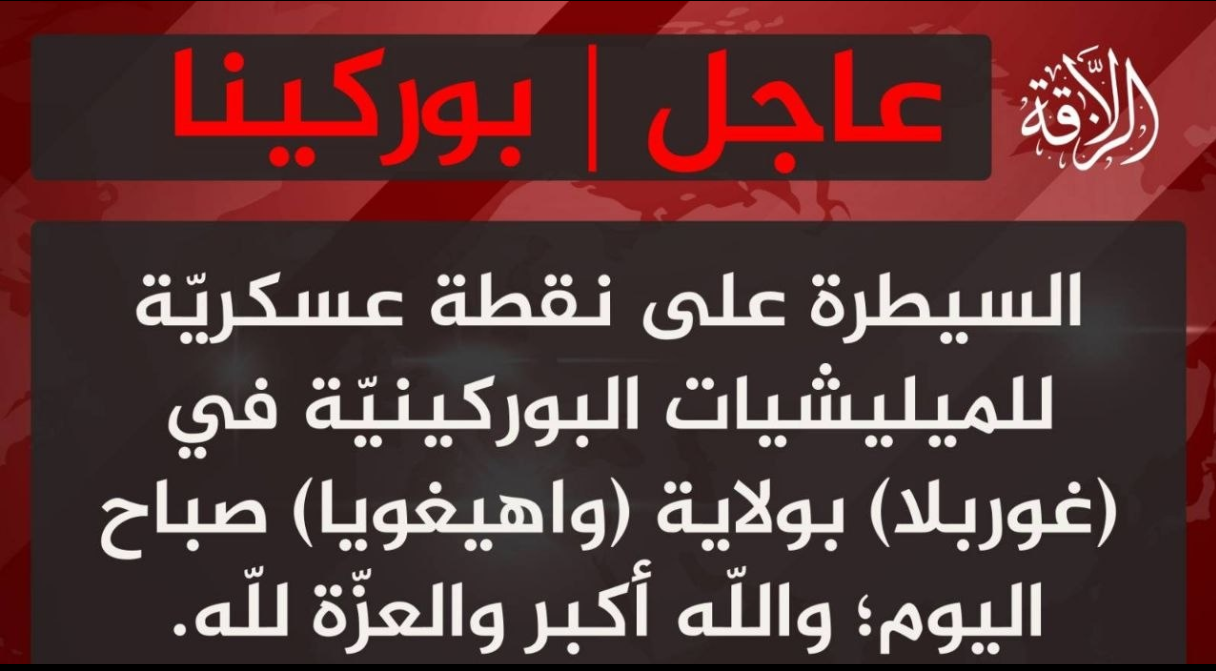
The security landscape in northern Burkina Faso remains volatile following reports of a violent confrontation this Wednesday. The Group for the Support of Islam and Muslims (GSIM) has asserted through its communication channels that its fighters successfully seized a military installation in Gorbla, a locality situated on the outskirts of Ouahigouya.
Details of the morning raid
According to reports from the Al-Qaeda-linked insurgent group, the operation commenced in the early hours of Wednesday. The primary target was a strategic outpost manned by the Volunteers for the Defense of the Homeland (VDP), a civilian militia force that operates alongside the national army. Following what was described as fierce combat, the position was reportedly overrun by the attackers.
During the assault, GSIM claims to have captured a significant quantity of military equipment, including firearms, ammunition, and several transport vehicles. While independent verification of the human toll remains difficult, the group alleges that the defending forces suffered numerous casualties during the engagement.
A strategic zone under threat
The village of Gorbla, located within the Yatenga province, serves as a critical security link for Ouahigouya, one of the most significant urban centers in the northern part of the country.
- Strategic importance: This specific area acts as a vital buffer zone, preventing armed groups from infiltrating further toward the central regions of Burkina Faso.
- Security environment: Despite ongoing operations by the national Defense and Security Forces (FDS), the region continues to experience high levels of instability and shifting frontlines.
Official response and local impact
As of now, the General Staff of the Burkina Faso Armed Forces has not released a formal statement regarding the situation in Gorbla. Local residents describe an atmosphere of tense calm, though reports of a potential counter-offensive are circulating. There is growing concern among the civilian population as militant pressure increases on the primary transport routes leading to Ouahigouya.
The security situation in the Sahel remains intricate, with information often serving as a tool in broader communication strategies. Observers maintain caution regarding casualty figures and claims made by armed groups in the absence of official government confirmation.