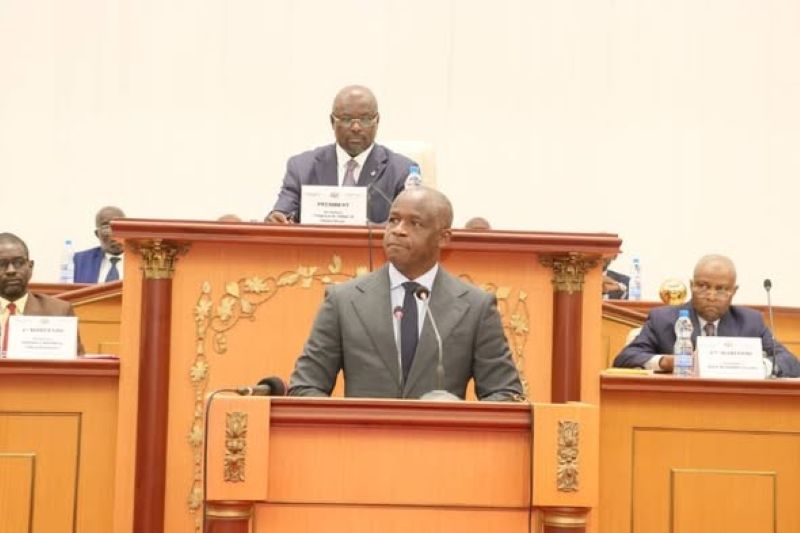
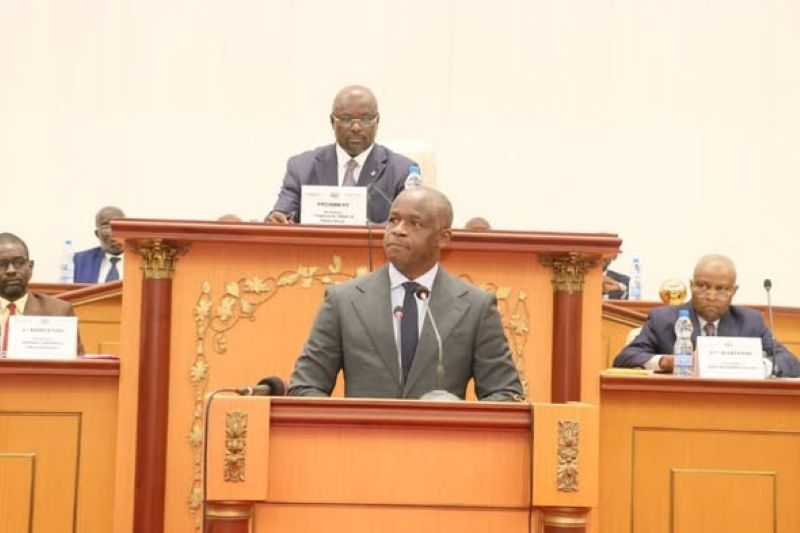
Libreville, June 3, 2026 — At the National Assembly, lawmakers put the government to the test over the nation’s pressing concerns.
The Tuesday session of oral questions to the government was far more than a routine parliamentary exercise. For the first time since the 14th legislature was seated, Gabonese deputies fully exercised their constitutional duty to scrutinize executive actions, spotlighting the real concerns of a population grappling with purchasing power, education, healthcare, security, employment, and economic sovereignty.
Convened at the Léon Mba Palace in strict accordance with the Constitution and parliamentary rules, legislators posed nearly twenty queries to cabinet members. This pivotal political moment comes just days before the June 15 parliamentary congress, where President Brice Clotaire Oligui Nguema will deliver his State of the Nation address.
Youth challenges dominate national agenda
The surge in drug and substance abuse within schools emerged as a top concern. Deputy Huguette Tsono, sixth vice-president of the National Assembly, pressed Vice-President Hermann Immongault on the issue. He acknowledged its gravity and reaffirmed the state’s commitment to safeguarding schools—a matter far beyond education, touching the very core of Gabon’s demographic and economic future. With youth comprising the majority of the population, combating addiction has become a strategic pillar for social stability and human development.
Education reform also took center stage. Deputy Dorland Chancely Olengué raised concerns about the pace of progress, to which Minister of State Camélia Ntoutoume-Leclercq responded that reforms are advancing on schedule. While reassuring, this underscores the immense family expectations—a durable improvement in education requires long-term structural shifts.
Economic sovereignty takes center stage
The session also spotlighted economic priorities. The phased ban on imported broiler chicken sparked debate over the government’s new public policy direction. Agriculture Minister Pacôme Kossy framed the move as a push to build a robust national poultry sector, capable of meeting domestic demand while creating jobs—part of a broader agenda to cut food import dependency and boost local production.
Similar thinking underpins the mining reform unveiled by Mines Minister Sosthène Nguema Nguema. The announced ban on raw manganese exports signals a shift toward in-country value addition, breaking from the traditional raw material export model. This aligns with a trend seen across Africa as nations seek deeper industrialization of their natural wealth.
Everyday hardships remain front and center
Day-to-day issues also surfaced. Interior Minister Adrien Nguema Mba fielded complaints over delays in issuing national ID cards and passports, especially acute in rural areas where access to administrative services is often limited. Social Affairs Minister Armande Longo épouse Moulengui addressed concerns from retirees, CNAMGS beneficiaries, people with disabilities, and single mothers—reminding all that economic growth alone cannot improve lives without tangible improvements in living conditions.
Parliament reclaims its oversight role
Beyond ministerial responses, the session signaled the National Assembly’s return as a forum for public debate. By elevating voices on food security, industrial transformation, education, healthcare, and governance, legislators reaffirmed their role as democratic watchdogs. Assembly President Michel Régis Onanga Ndiaye closed the session by framing the upcoming parliamentary congress as a milestone to assess progress on reforms launched during the Transition.
This first oral questioning session of the 14th legislature serves as a litmus test. It reveals a nation undergoing profound transformation, yet facing monumental social expectations. Between economic sovereignty, state modernization, and citizen welfare, the government is now judged not just on ambition, but on delivering visible results—a test that will define public trust in the months ahead.