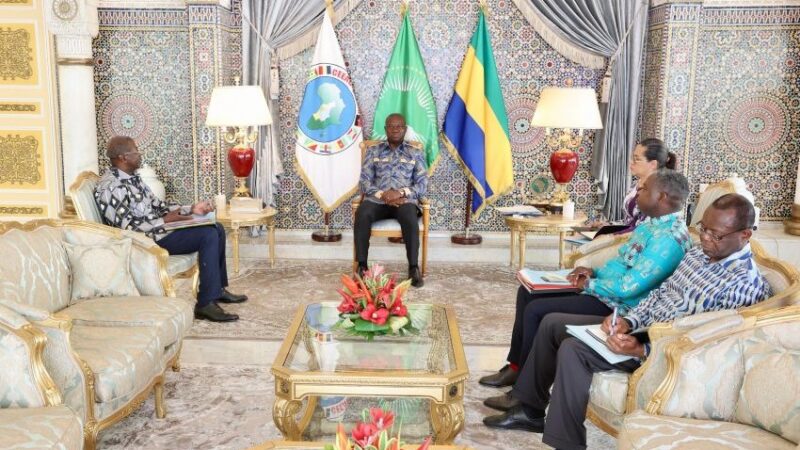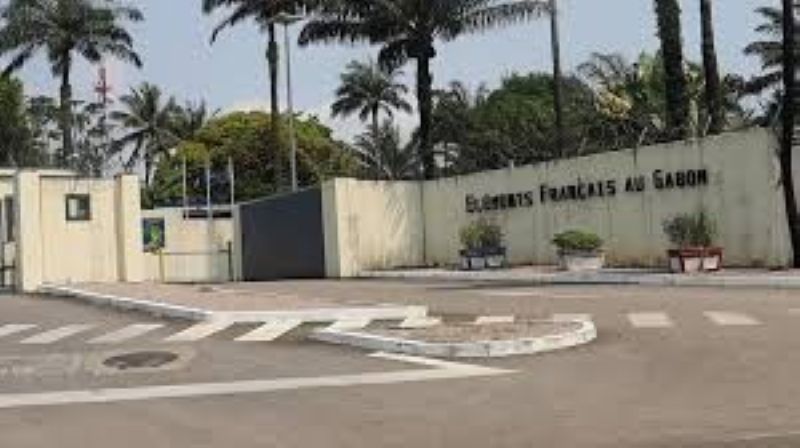
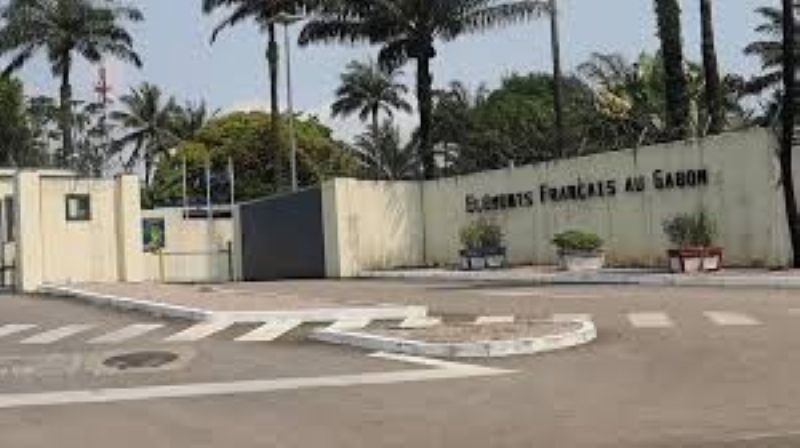
Libreville — By declaring the upcoming rebranding of Camp de Gaulle, President Brice Clotaire Oligui Nguema is doing more than updating military signage. He is initiating a fresh era in the relationship between Gabon, its historical narrative, and its future strategic autonomy.
Certain political moves carry weight far beyond their immediate administrative function. The recent declaration by the Head of State regarding the future of the nation’s military landscape falls squarely into this category.
Camp de Gaulle, long recognized as a primary symbol of the French military footprint in Gabon, is set to receive a new name. While this might appear to be a purely symbolic gesture, it actually signals a profound shift in political and strategic direction. This renaming reflects the aspirations of a nation determined to reinterpret its history while sustaining its international alliances on more modern terms.
Moving past a colonial military legacy
For decades, Camp de Gaulle served as the physical manifestation of French military presence within Gabonese borders. It was a cornerstone of the security framework established during the post-independence era, a time when Paris maintained various bases to uphold regional equilibrium. However, the geopolitical landscape of 2026 is vastly different from that of the 1960s.
Across the continent, themes of national sovereignty, the management of critical infrastructure, and the reclamation of historical landmarks have moved to the forefront of public discourse. Gabon is no exception to this trend. The transition of the camp to Gabonese authority represents the conclusion of one historical era without necessarily triggering a chaotic or hostile separation.
A coordinated transition unlike the Sahelian model
President Brice Clotaire Oligui Nguema has been clear about the distinct nature of this transition. Unlike the abrupt and often tense departures seen in Mali, Burkina Faso, or Niger, the restructuring of the Franco-Gabonese military partnership is occurring through mutual agreement and dialogue. This shift has not been marked by diplomatic friction.
Military cooperation remains functional, though its core objectives have been fundamentally reimagined. Large-scale permanent deployments have been replaced by a streamlined presence consisting of roughly one hundred specialized instructors. This pivot aligns with a global movement toward military partnerships that prioritize the exchange of expertise and technical training over the long-term stationing of foreign troops.
Cultivating the next generation of African defense leaders
The most vital component of this transformation lies in the site’s future purpose. The former Camp de Gaulle is being reinvented as a premier training hub for the Gabonese defense and security forces, as well as for various African partner nations. This vision extends well beyond domestic borders.
In an era defined by cross-border threats, organized crime, and security complexities in the Gulf of Guinea, the development of specialized skills is a high-stakes strategic priority. Gabon aims to establish itself as a regional center of excellence, contributing significantly to the professional growth of military personnel across the continent.
Symbolism as a tool for national identity
While the structural changes are significant, the renaming itself is what captures the public imagination. The facility will soon be named after a Gabonese hero. This choice is part of a broader effort to reclaim the national memory. To name a place is to define its story and decide which values are passed down to future generations.
By substituting a figure from the colonial past with a national icon, Gabon is asserting its right to craft its own narrative. This move does not signal a rejection of France, but rather the emergence of a new level of political maturity. Ultimately, it is not just the name of a military base that is changing; it is the very definition of Gabonese sovereignty taking shape before the eyes of the world.