Gabon lifts eight-month social media ban after nationwide digital isolation
The Gabonese government has abruptly ended its sweeping ban on social media platforms, eight months after imposing sweeping restrictions on Facebook, TikTok, Instagram and YouTube to allegedly safeguard national stability and institutional integrity. Authorities confirmed the reversal through a national broadcast on Saturday, signaling a dramatic shift in a policy that had sparked widespread public outrage and drawn fierce criticism from civil society and international observers.
The abrupt resumption of access to the most widely used social networks came after relentless pressure mounted against the government’s prolonged isolation strategy, which many analysts argued was eroding digital rights and stifling public participation in national discourse.
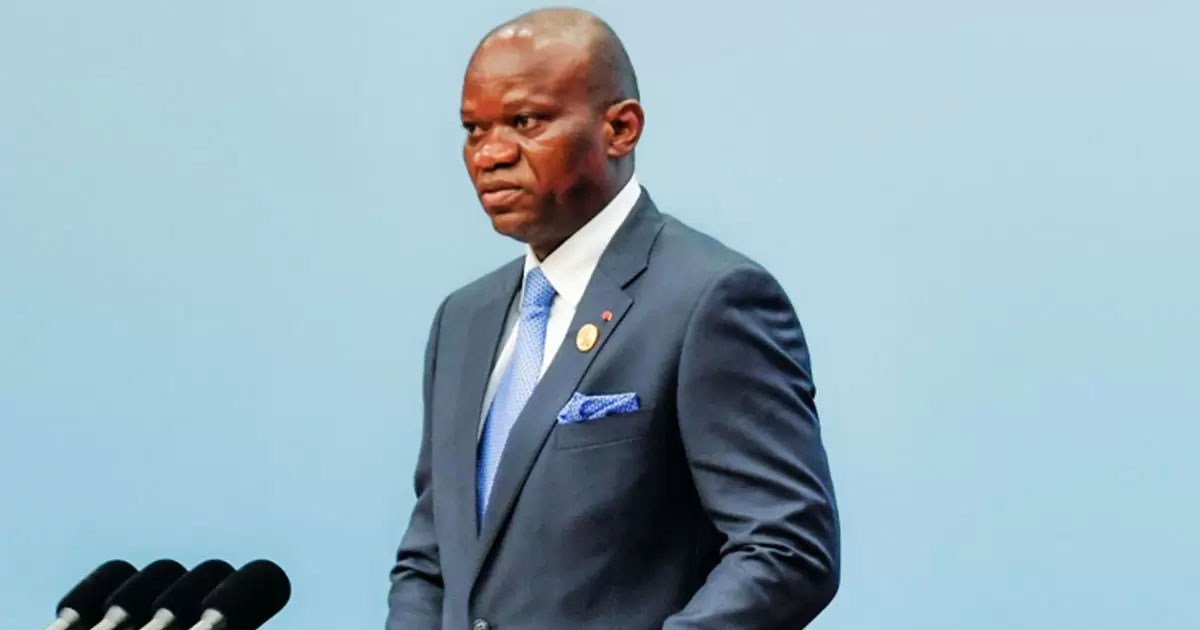
Digital restrictions lifted after coordinated push for transparency amid rising tensions
The High Authority for Communication in Gabon (HAC) announced the sudden lifting of the ban, stating that the temporary measures had served their purpose. The regulator claimed the blackout enabled the government to strengthen legal frameworks and enhance content moderation on major platforms through direct collaboration with global tech companies including Meta, TikTok, and YouTube.
Jean-Claude Franck Mendome, HAC spokesperson, stated during the televised announcement: *“The authority has decided to lift the suspension of social media, reaffirming our commitment to balancing national security with the rights of citizens to access open digital spaces.”*
Despite official justifications citing threats to state stability, critics argue the prolonged blackout was a blunt instrument used to suppress dissent ahead of the 2025 general election and during a period of political transition following the 2023 military takeover.
>Digital resilience thwarted blackout through widespread VPN use
While platforms like Facebook and TikTok were completely inaccessible for over eight months, many Gabonese citizens bypassed restrictions using Virtual Private Networks (VPNs), highlighting the growing sophistication of digital resistance within the population. WhatsApp, which remained partially operational, became a lifeline for news sharing and personal communication across the country.
Civil society groups and digital rights advocates condemned the blanket censorship as a violation of constitutional freedoms. Legal challenges filed against the ban were all dismissed, raising concerns about the independence of the judiciary and the erosion of public trust in institutions.
What’s next after the fallout: transparency, accountability, and digital governance
The abrupt reversal has set off a heated national debate about the future of digital governance in Gabon. Civil society leaders are calling for immediate reforms, including the repeal of mandatory identification requirements introduced in October, which effectively ended online anonymity and increased surveillance risks.
Opposition figures, including former Prime Minister Alain-Claude Bilie-By-Nze—currently imprisoned since April on charges linked to a controversial 2008 debt case—have been at the forefront of criticism against the blackout. His prolonged detention, widely seen as politically motivated, has further strained public confidence in the government’s commitment to democratic transition.
With social media now restored, attention is shifting to whether the government will honor its pledge to establish a more transparent digital policy framework—or whether the lifting of the ban was merely a tactical retreat in the face of mounting domestic and international pressure.
Key takeaways from Gabon’s 8-month digital shutdown
- Platforms affected: Facebook, TikTok, Instagram, and YouTube were fully blocked; WhatsApp accessible but throttled
- Legal overhaul: Gabon introduced mandatory identification for all social media users in October 2025
- Public pushback: Multiple lawsuits filed against the ban were dismissed; opposition leaders jailed
- Digital resistance: Widespread VPN usage allowed millions to bypass restrictions
- Government response: Claims blackout enabled better moderation through collaboration with tech platforms
- Ongoing concerns: Critics warn move may be short-lived as authorities tighten legal controls