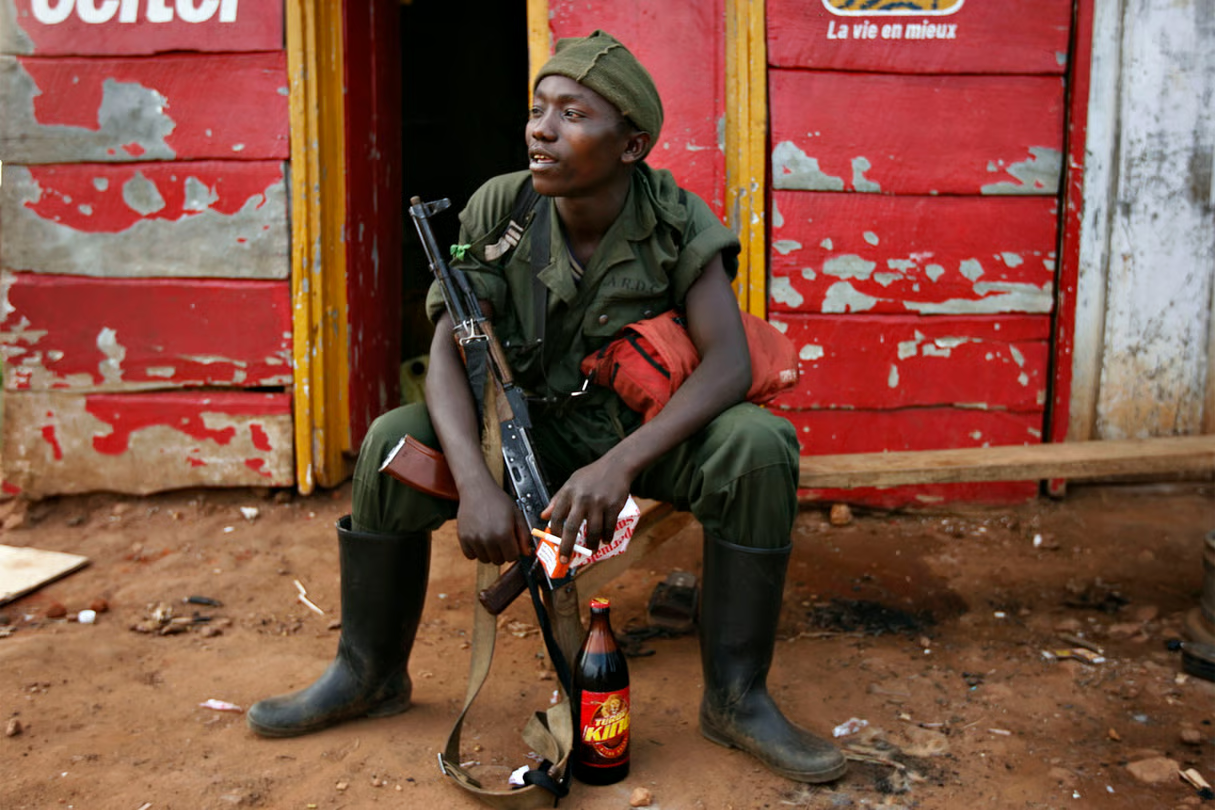
As the Democratic Republic of Congo grapples with ongoing instability in its eastern provinces, a controversial revelation has surfaced: armed factions are increasingly turning to unconventional revenue streams—specifically the black market beer trade—to sustain their operations. This unexpected financial lifeline has sparked intense public debate over how these groups exploit local economies and what steps can be taken to disrupt their funding channels.
Behind the controversy: how beer profits fuel conflict in eastern DRC
The revelation that armed groups in eastern DRC are profiting from the illegal beer trade is reshaping perceptions of how these factions fund their activities. While traditional revenue sources like mineral smuggling remain well-documented, the emergence of beer-related profits has raised new questions about the adaptability of these groups.
Investigations reveal that these factions have infiltrated the supply chains of local breweries, diverting large quantities of beer intended for legitimate markets. These diverted products are then sold through unauthorized networks, with profits funneled directly into sustaining military operations. The scale of this operation is alarming, with some estimates suggesting that thousands of liters are diverted weekly.
- Control of distribution networks: Armed factions are leveraging existing trade routes to move illicit beer, often under the guise of humanitarian aid or local business partnerships.
- Taxation of informal traders: Vendors operating in territory controlled by these groups face coercive “taxes,” further embedding the factions into the local economy.
- Exploitation of regulatory gaps: Weak enforcement of alcohol trade laws in conflict zones creates ideal conditions for large-scale diversion and black-market sales.
The involvement of groups like the Allied Democratic Forces (ADF) and the M23 in this trade underscores the dire need for targeted interventions to curb their financial networks.
Public reaction: outrage and calls for accountability
The revelation has ignited a firestorm of public reaction, with citizens, activists, and international observers condemning the exploitation of local economies by armed factions. Social media platforms are flooded with demands for stricter enforcement of trade laws and greater accountability from both local authorities and international peacekeeping efforts.
Local traders, whose livelihoods are directly impacted by the black market competition, have shared harrowing accounts of intimidation and lost revenue. Community leaders are calling for urgent action, emphasizing that the beer trade is not just an economic issue but a matter of public safety and stability.
International watchdog organizations have also weighed in, highlighting the broader implications of this trend. They argue that the diversion of such profits not only fuels conflict but also undermines legitimate economic development in the region.
What’s next: strategies to dismantle illicit beer profits
With the black market beer trade now firmly linked to armed factions, authorities and international partners are under pressure to respond. Several strategies have been proposed to disrupt these financial flows and restore stability to the region.
The most immediate step involves strengthening enforcement of alcohol trade regulations, particularly in conflict-affected zones. This includes increased surveillance of distribution networks and the deployment of specialized units to dismantle illegal brewing operations.
Another critical approach is to support local businesses and cooperatives, providing them with the tools and resources to compete fairly in the market. This not only bolsters the economy but also reduces the attractiveness of illicit trade to vulnerable communities.
Longer-term solutions focus on addressing the root causes of conflict in eastern DRC. By fostering dialogue between communities and armed factions, as well as investing in alternative livelihood programs, stakeholders hope to diminish the influence of revenue-generating activities that perpetuate instability.
In the coming months, the success of these efforts will be closely monitored as both local and international actors work to dismantle the financial networks fueling the decades-long conflict in the Democratic Republic of Congo.