DRC bans mass gatherings to fight Ebola before opposition rally
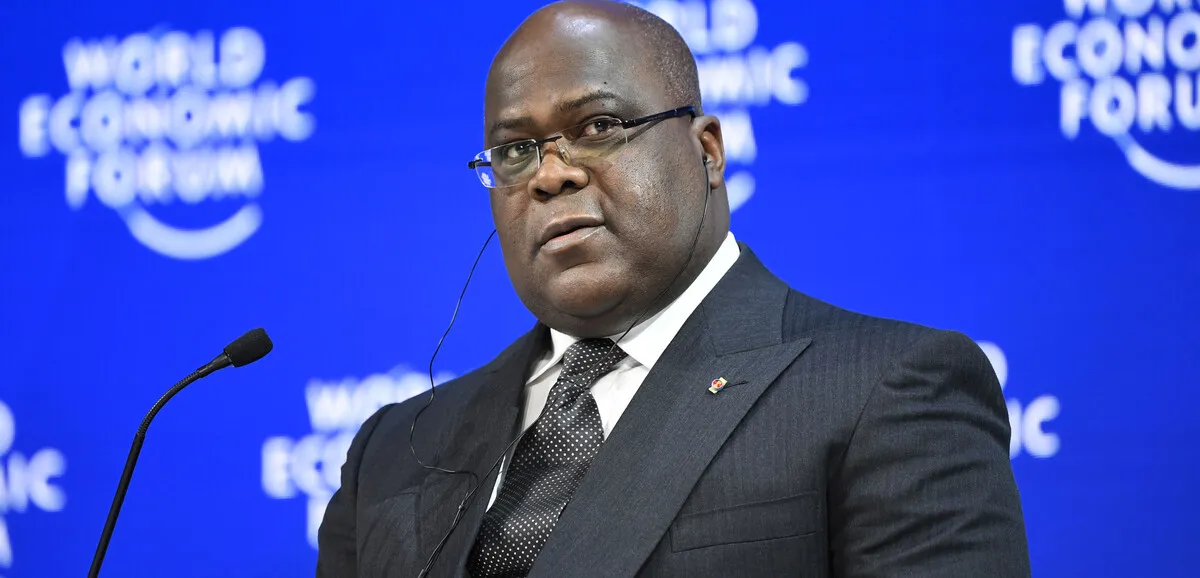
The Congolese authorities have banned large gatherings in Kinshasa and three other provinces due to the Ebola outbreak. The decision comes ahead of an opposition protest against President Félix Tshisekedi scheduled for Wednesday, July 8.
The government of the Democratic Republic of the Congo (DRC) banned mass gatherings in Kinshasa and three other provinces to limit the spread of Ebola. The measure, announced in a letter from Interior Minister Jacquemain Shabani, comes as a major opposition demonstration is planned for July 8 in the capital.
Declared on May 15, the DRC’s 17th Ebola outbreak has officially caused 360 deaths among 1,274 recorded cases. While the four northeastern provinces remain the hardest hit, no transmission has been reported in Kinshasa, a megacity of over 17 million people.
In his letter dated Saturday, June 27, the minister instructed local authorities to prohibit “mass gatherings” to “prevent any contamination from the Ebola virus epidemic.” The document does not specify whether the opposition rally is directly targeted.
A decision amid high political tensions
The ban comes as political tensions have escalated over a bill that would pave the way for a referendum on constitutional amendments. The opposition argues the reform could enable President Félix Tshisekedi, in power since 2019, to seek a third term, while the constitution currently limits the head of state to two terms.
Adopted in mid-June by a parliament dominated by the presidential majority, the bill now awaits potential enactment by the president.
On June 12, a previous opposition rally denouncing a “constitutional coup” was violently dispersed in Kinshasa. Clashes between protesters, pro-government activists, and security forces left several injured. The United Nations also reported the death of “at least one protester.”
Despite the announced restrictions, the opposition is sticking to its call for a July 8 protest demanding Félix Tshisekedi’s resignation. On Monday, Jacquemain Shabani labeled the call an “act of high treason.”