Diomaye Faye’s unexpected request to Sonko amidst political tensions in Senegal
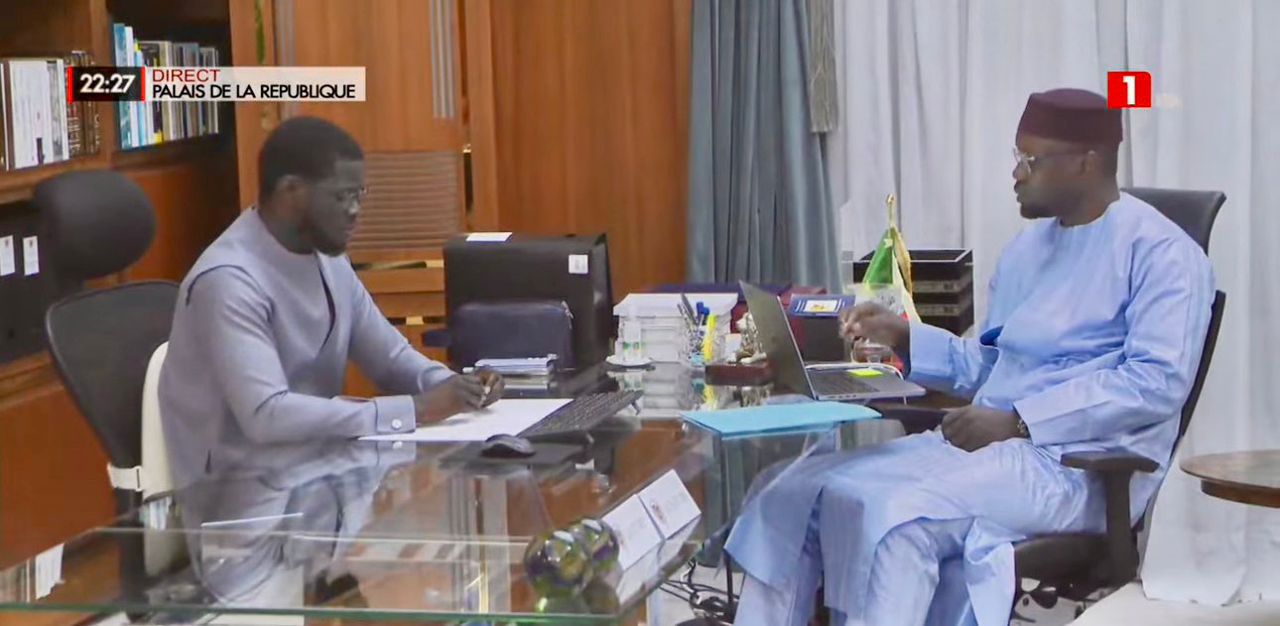
Senegal’s political landscape shaken by sudden government reshuffle
Unprecedented political tensions have surfaced following Senegal’s presidential request for former Prime Minister Ousmane Sonko to frame his departure as a mutual agreement. In a candid account, Sonko reveals the behind-the-scenes dynamics of his dismissal and why he rejected the proposal.
Since the announcement of his removal from office, Sonko has maintained that the decision was made unilaterally without prior discussion. His refusal to comply with the presidential request underscores the growing rift within the ruling coalition, raising questions about the future stability of governance in the country.
Exclusive insights into a controversial exit
During a rare public statement, the former Prime Minister detailed the sequence of events leading to his dismissal. He emphasized that the presidency had initiated the process without consulting him on the political messaging surrounding the breakup. Sonko clarified that he had set a clear boundary from the outset: he would not be the one to initiate a political split.
His account describes a tense period following the announcement, marked by minimal communication between the presidency and his office. Sonko recounted that he returned home immediately after the dismissal, followed by days of radio silence from both sides.
Disputes over government transition and party protocols
The former Prime Minister also shed light on the subsequent efforts to form a new cabinet. According to his testimony, the presidency had reached out to outgoing ministers from the ruling party, Pastef, for consultations. Sonko advised these ministers to decline the invitations, insisting that all exchanges should follow official party channels—a move that further strained relations.
The impasse lasted several days before an attempt at reconciliation was made. Sonko proposed a meeting involving key political figures, including Birame Souleye Diop, El Malick Ndiaye, Alioune Sall, and Daouda Ngom, but the initiative ultimately failed to materialize. His final discussions with the new Prime Minister, Al Aminou Lo, reportedly did not address critical concerns such as accountability, justice, or public debt management.
This unfolding narrative highlights the deepening divisions within Senegal’s political leadership and the challenges ahead in maintaining cohesion within the ruling party.