Côte d’Ivoire vs Ghana: comparing economic performance in west africa

West Africa’s economic heavyweights: Côte d’Ivoire and Ghana face off
When it comes to economic performance in West Africa, two nations consistently stand out: Côte d’Ivoire and Ghana. Both countries have demonstrated remarkable resilience and growth in recent years, but which one truly leads the pack in 2024? The latest projections reveal surprising insights into their economic trajectories.
Ghana’s growth momentum surpasses Côte d’Ivoire
According to the most recent economic forecasts, Ghana is poised to achieve a gross domestic product (GDP) of $118 billion this year. This figure not only marks a significant milestone but also positions the country ahead of its regional rival, Côte d’Ivoire, whose projected GDP stands at $110 billion. The shift represents a notable turning point in the economic rivalry between these two West African powerhouses.
The driving forces behind Ghana’s economic surge include a diversified growth strategy, robust agricultural output, and a thriving services sector. Additionally, the country’s proactive approach to foreign investment and industrial development has contributed to its rising economic prominence.
Côte d’Ivoire’s steady economic ascent
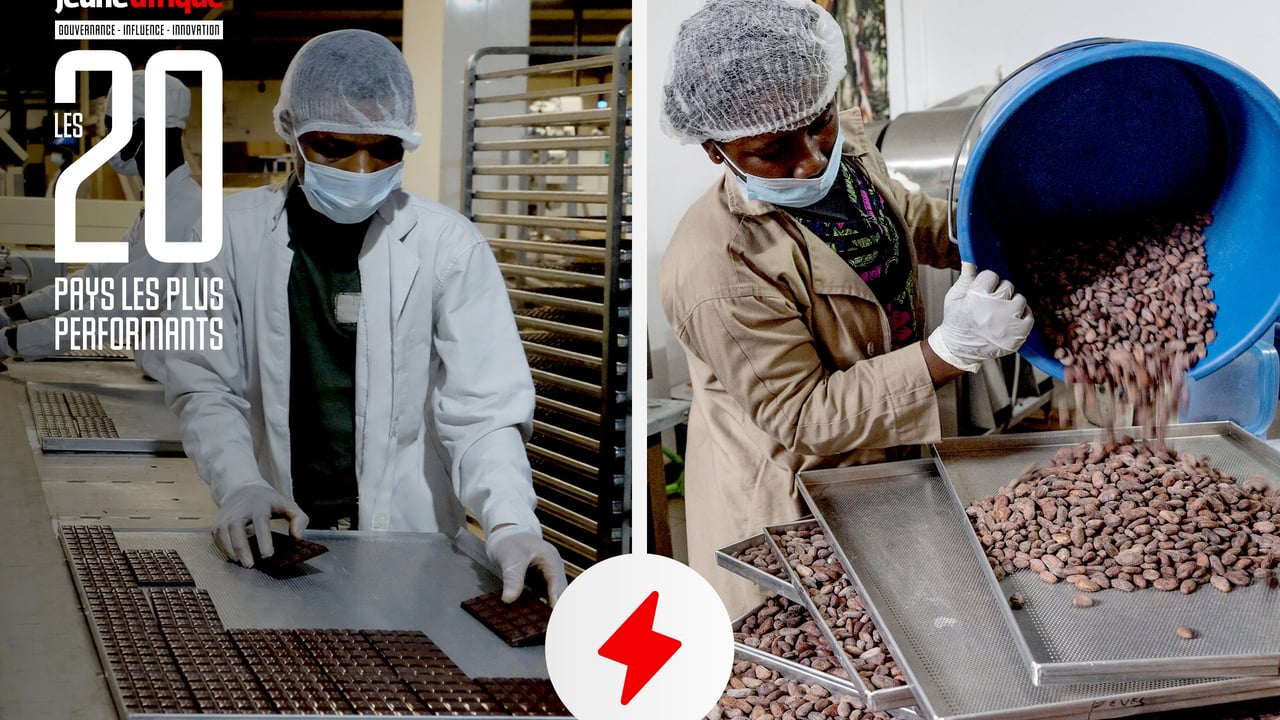
While Ghana takes the lead in absolute GDP terms, Côte d’Ivoire remains a formidable economic player in the region. The country’s economy continues to expand steadily, driven by key sectors such as cocoa production, infrastructure development, and a burgeoning energy industry. Côte d’Ivoire’s strategic location and strong trade ties with neighboring countries further bolster its economic standing.
The nation’s commitment to economic diversification and sustainable growth has enabled it to maintain a competitive edge in West Africa. Despite the current GDP gap, Côte d’Ivoire’s economic fundamentals remain robust, with consistent growth rates and a stable macroeconomic environment.
Key economic indicators compared
- GDP (2024 projections): Ghana ($118 billion) vs. Côte d’Ivoire ($110 billion)
- Growth drivers: Ghana (diversification, services, investment); Côte d’Ivoire (agriculture, infrastructure, energy)
- Trade balance: Ghana (positive trade balance in recent years); Côte d’Ivoire (strong cocoa exports)
- Foreign investment: Both countries attract significant foreign capital, with Ghana leading in tech and services
What the numbers say about future prospects
The latest economic projections highlight Ghana’s impressive growth trajectory, but Côte d’Ivoire is not far behind. Both nations are making strides in economic development, though their approaches differ significantly.
Ghana’s ability to attract foreign direct investment and foster innovation in sectors like technology and services positions it as a rising star in Africa’s economic landscape. Meanwhile, Côte d’Ivoire’s focus on agricultural value addition and infrastructure development ensures its continued relevance in the region.
As these two West African giants compete for economic supremacy, the broader implications for regional stability and growth cannot be overlooked. Their success stories serve as models for other African nations striving to achieve sustainable development.