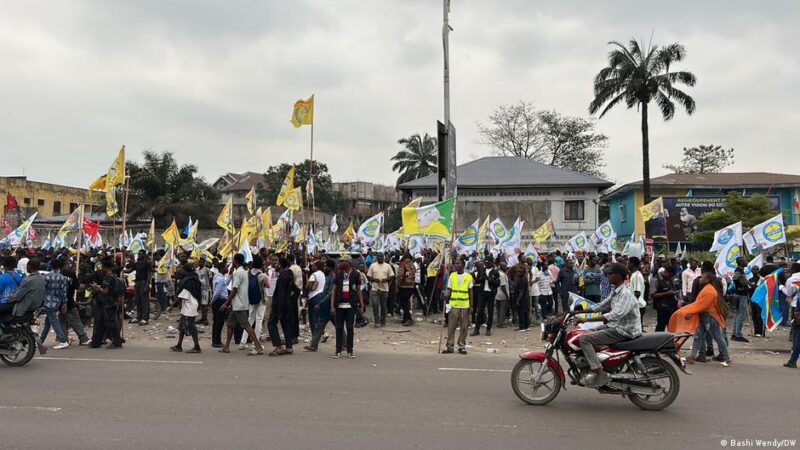
Congo dr: opposition vows to challenge constitutional changes
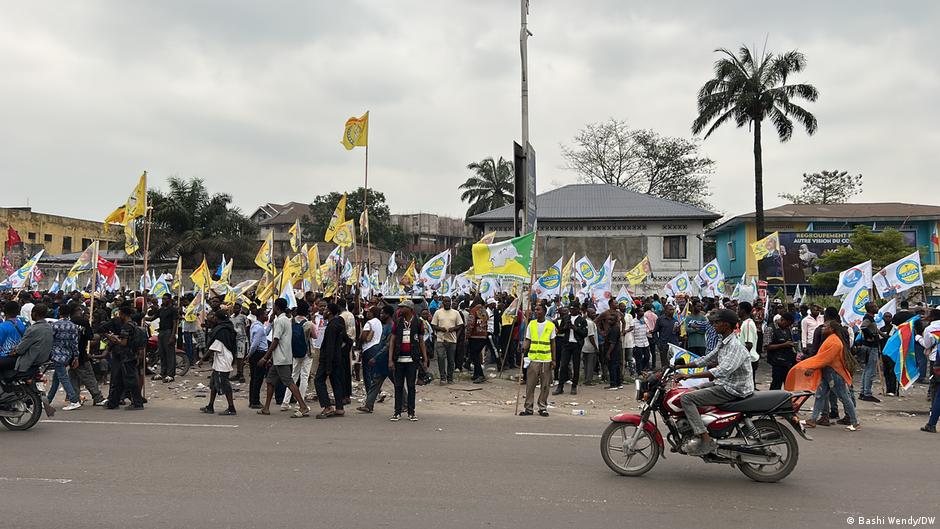
DR Congo: opposition prepares to resume protests after constitutional court ruling
The Constitutional Court’s endorsement of the referendum law has intensified debates over potential constitutional changes, sparking fresh concerns about escalating political tensions in the country.
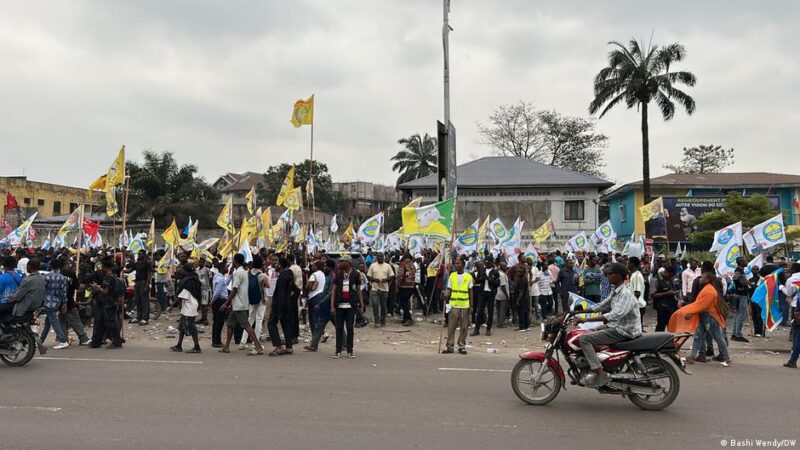
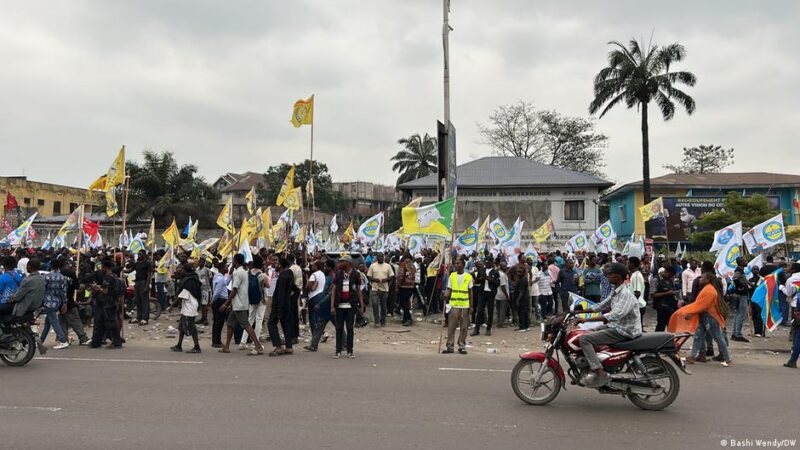
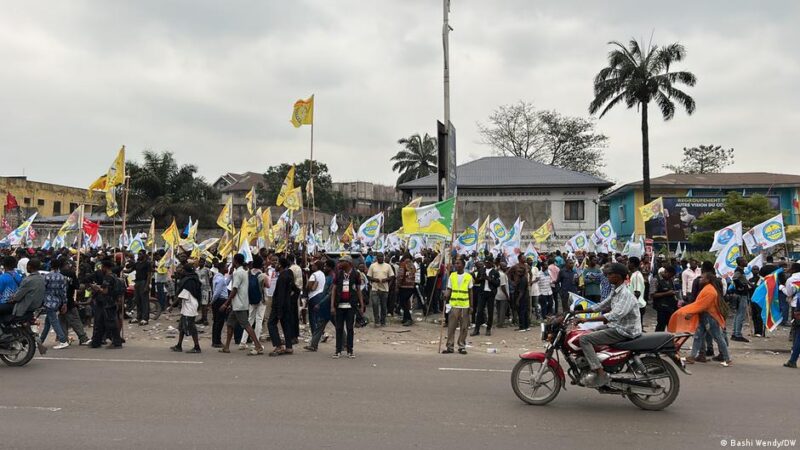
The opposition remains defiant following the court’s decision, which validated the framework for organizing a referendum. Coalition spokesperson Prince Epenge has made it clear the group will continue mobilizing citizens against what they perceive as an unconstitutional power grab.
“We won’t back down,” Epenge declared. “We will channel all our strength and energy to ensure this law never takes effect in our nation.”
He went on to assert that “the people are outraged. They must remain standing, united, and resolute in rejecting a third term and any attempts at national fragmentation.”
Kinshasa residents voice growing anxieties
As coalition leaders gathered in the capital to strategize their next moves, many residents expressed fears that renewed protests could disrupt daily life and spiral into violence.
“How can we be certain their demonstrations will remain peaceful?” questioned one resident, emphasizing the need to avoid “loss of life.”
Another resident shared similar concerns, warning that “the political climate in the DRC could deteriorate further following this ruling.”
A third interviewee went further, accusing ruling authorities of deliberately orchestrating instability: “Those sowing chaos right now are the ones in power. They frequently deploy forces to disrupt opposition marches.”
The final resident interviewed stressed that “the real victims will be ordinary citizens when protests inevitably turn confrontational.”
Dialogue at risk of collapse
Timo Roujean, a political analyst with the Konrad Adenauer Foundation, cautioned that rapid presidential approval of the law could severely undermine ongoing political dialogue efforts. He warned that if President Félix Tshisekedi signs the legislation before August 15, it would likely nullify any progress toward reconciliation and embolden factions advocating violent opposition.
“A swift enactment would render dialogue efforts meaningless,” Roujean explained. “In an already tense environment where constitutional coup accusations are gaining traction, this court decision risks reinforcing the narrative that armed resistance is the only viable response to government overreach.”
The court’s decision has done little to resolve the standoff. With the presidential camp now equipped with a legal pathway forward and an opposition determined to block all constitutional reforms, the coming weeks promise to be pivotal in shaping the DRC’s political future.