The 69th summit of the Economic Community of West African States (ECOWAS) convened in Freetown, Sierra Leone, at a pivotal moment for the regional bloc. As leaders gathered, one glaring absence dominated discussions: the three nations that have distanced themselves from the alliance—the Niger, Mali, and Burkina Faso—now consolidated under the Alliance of Sahel States (AES). This gathering marks yet another meeting where these critical stakeholders are notably absent, underscoring the deepening fractures within the organization.
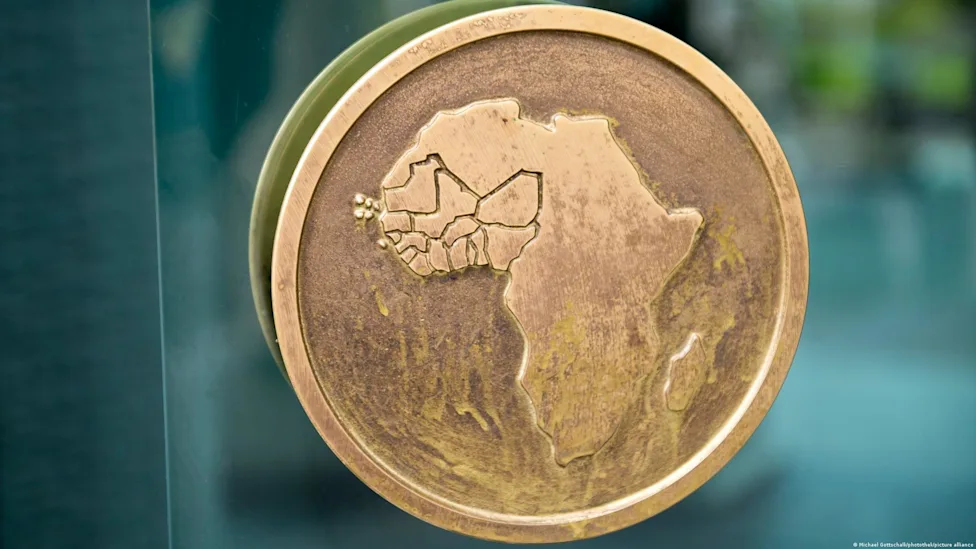
A fractured bloc: ECOWAS grapples with post-AES realities
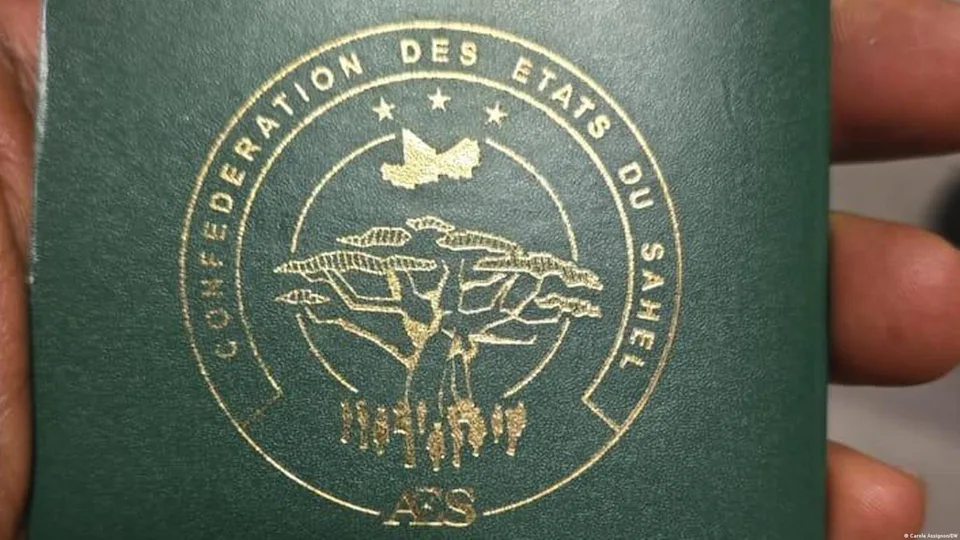
Beyond symbolic gestures, West African leaders face a pressing question: how to redefine ECOWAS in the wake of Mali, Burkina Faso, and Niger’s departure for the Sahel States Confederation? While the three nations have exited the alliance, their geographic and strategic importance remains undiminished. Regional heads of state must now explore avenues for dialogue to safeguard trade, cross-border mobility, and—critically—security cooperation against a transnational terrorism threat that knows no borders.
ECOWAS expert Aliou Diakite emphasizes the gravity of the moment: “The focus must shift to reshaping ECOWAS amid today’s governance and security challenges—rising organized crime linked to terrorism, evolving political landscapes post-elections, climate-driven crises, and the looming specter of epidemics and pandemics. These are the issues pressing regional leaders to chart a sustainable future for the bloc.”
The stalled ECOWAS standby force
Among the long-standing priorities for West African citizens, few have lingered as stubbornly as the ECOWAS Standby Force. Promised for years, the regional rapid-response mechanism remains only partially implemented, despite its potential to counter terrorism, political upheavals, and regional instability.
This week’s preparatory meetings in Freetown, involving ministers and security officials, signal a renewed push to accelerate the force’s deployment. Michel Ange Bangoura, Guinea’s ECOWAS cooperation coordinator, offers cautious optimism: “Institutional frameworks are in place on paper. What’s missing is the political will and resource mobilization—each member state must commit at least a company-level contingent. Discussions underway suggest a swift deployment is within reach, including identifying a host nation for the force’s headquarters.”
The summit will also confront broader institutional reforms aimed at restoring ECOWAS’s credibility after years of political turmoil and unconstitutional regime changes across the region.