Saturday, November 21

Politics

Why the death of Kalev Mutond exposes deeper fractures in DR Congo’s intelligence machine
Politics

Why the death of Kalev Mutond exposes deeper fractures in DR Congo’s intelligence machine

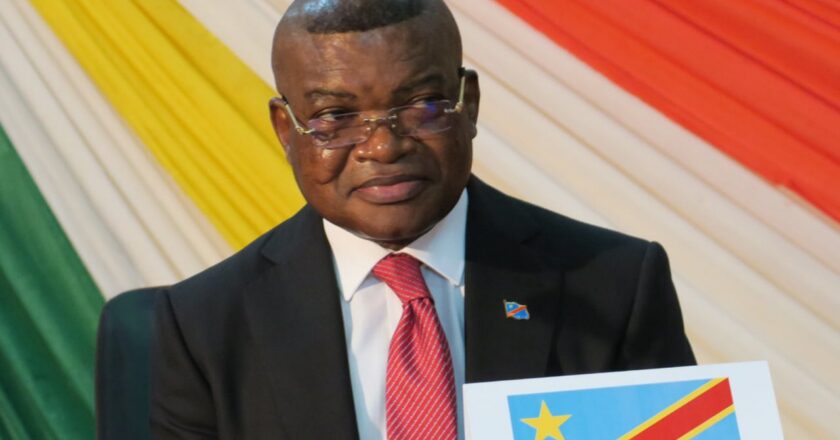
Behind the headline news of Kalev Mutond's death lies a more complex story about how power, secrecy, and institutional weakness intertwine in the Democratic Republic of Congo. As the former head of the country's intelligence services, Mutond's passing is not merely an obituary — it is a lens through which the fault lines of Congo's security apparatus become visible. Understanding the dynamics at play requires looking beyond the immediate announcement to the structural realities that shaped his career and continue to shape the nation's intelligence community. The man who knew too much: Mutond's role in Congo's shadow networks Kalev Mutond served as the general administrator of Congo's intelligence agency, a position that placed him at the intersection of political power and covert operatio...
Why Gabon’s economic future may hinge on an invisible asset, not oil
Politics

Why Gabon’s economic future may hinge on an invisible asset, not oil

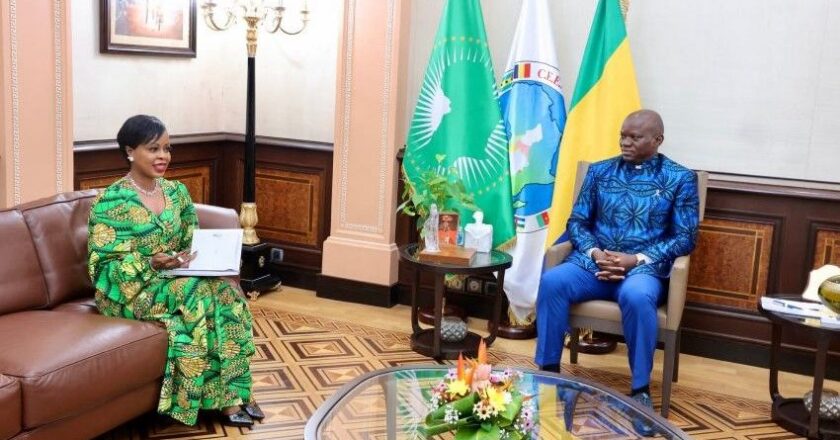
Politics Why Gabon's economic future may hinge on an invisible asset, not oil Libreville, Sunday, October 4, 2026 – Gabon is now trying to gauge its economic transformation against a resource far less visible than oil, roads or industrial equipment: the skills of its people. On October 2, 2026, President Brice Clotaire Oligui Nguema met with the Minister of Trade, SMEs and SMIs, Zenaba Gninga Chaning, who came to present several programs dedicated to training, job placement and support for young people. The first concrete expression of this direction: 400 young people will be trained in Libreville before a gradual rollout across the nine provinces. ...
Behind Clément Atangana’s death: the roots of Cameroon’s constitutional council credibility crisis
Politics

Behind Clément Atangana’s death: the roots of Cameroon’s constitutional council credibility crisis

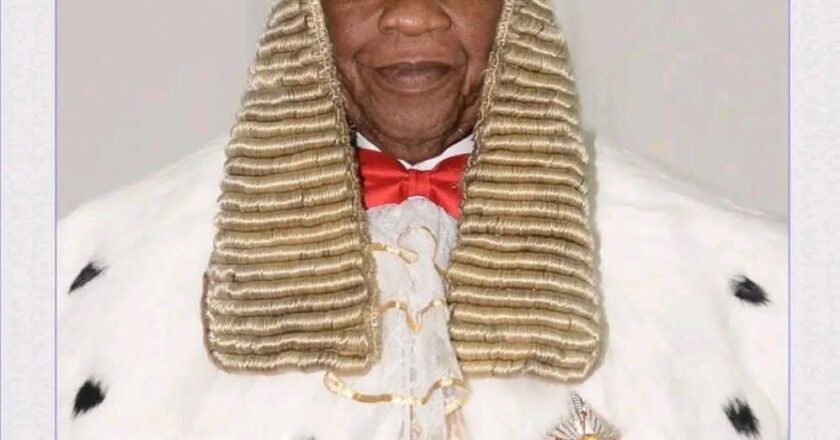
The passing of Clément Atangana, president of Cameroon's Constitutional Council, in Paris on the morning of October 4, 2026, is not merely the end of an 85-year-old magistrate's life. It is the closing chapter of a tenure that came to symbolize the deep entanglement between the country's highest electoral arbiter and the political establishment it was meant to oversee. Atangana died after being evacuated to France for advanced medical care, but the questions surrounding his legacy—and the institution he led—were already firmly embedded in Cameroon's public debate long before his final flight. From Ngomedzap to the heart of state power A native of Ngomedzap in the Nyong and So'o division, Atangana rose to the rank of magistrate hors hiérarchie, the highest echelon of the Cameroonian judic...
Behind the Mistral’s Dakar port call: the quiet mechanics of a Franco-Senegalese military reset
Politics

Behind the Mistral’s Dakar port call: the quiet mechanics of a Franco-Senegalese military reset

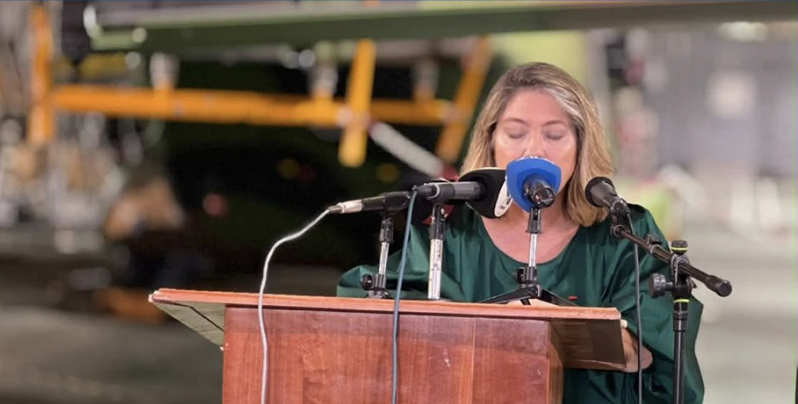
The French ambassador to Senegal, Christine Fages, spoke in Dakar on Friday, October 2, 2026, on the sidelines of a port call by the French Navy's helicopter carrier Mistral. She framed the visit as a strong symbol of the military relationship between Dakar and Paris.According to the diplomat, the Mistral's arrival in the Senegalese capital signals the rebuilding of a military partnership anchored in shared strategic interests. In her words, the vessel embodied what she described as a new wind in cooperation between Senegal and France.The deeper logic behind a renewed partnershipThe Mistral's stop fits into a broader push to redefine military ties between Dakar and Paris. Fages stressed that the naval presence reflected a joint desire to strengthen strategic exchanges between the two natio...
DR Congo’s national dialogue: the hidden mechanics behind Félix Tshisekedi’s consultation push
Politics

DR Congo’s national dialogue: the hidden mechanics behind Félix Tshisekedi’s consultation push

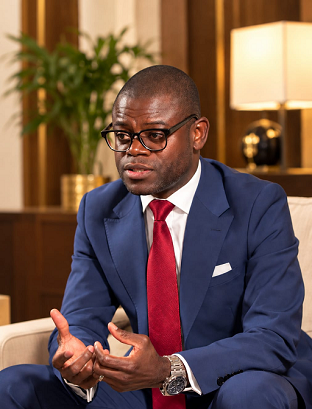
DR Congo's national dialogue: the hidden mechanics behind Félix Tshisekedi's consultation push Kinshasa, October 2, 2026 — When President Félix Tshisekedi announced a national dialogue for the Democratic Republic of Congo, the headline was simple enough. What lies underneath is far more layered: a carefully calibrated political mechanism whose real value depends on what it is not allowed to become. That is the central insight offered by Me Ben Touere, a lawyer registered at the Paris Bar, a doctor of public law and a lecturer at Sorbonne Paris Nord University. In a detailed interview, he argued that the dialogue should function strictly as a political instrument for consultation and pacification — a space where compromises on peace, national cohesion, institutional reform and the running...
Inside Senegal’s special funds battle: why Sonko’s assembly and Faye’s presidency are set for another constitutional clash
Politics

Inside Senegal’s special funds battle: why Sonko’s assembly and Faye’s presidency are set for another constitutional clash

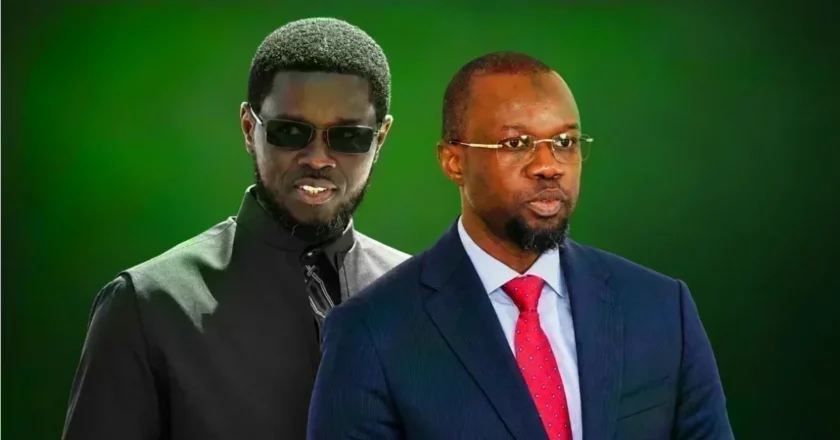
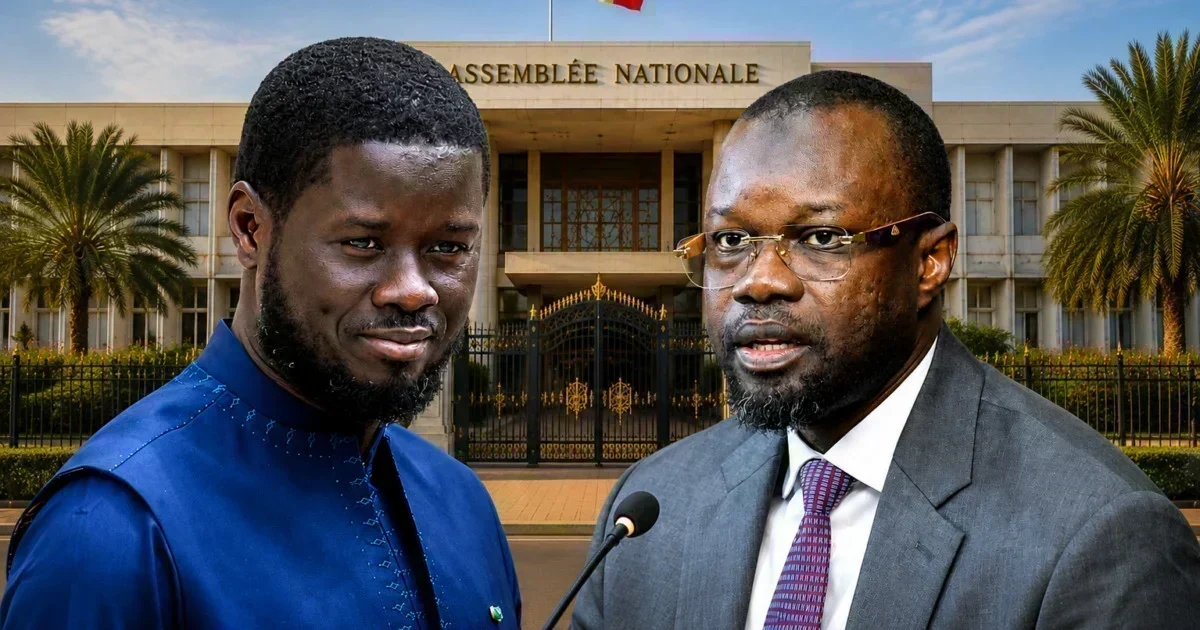
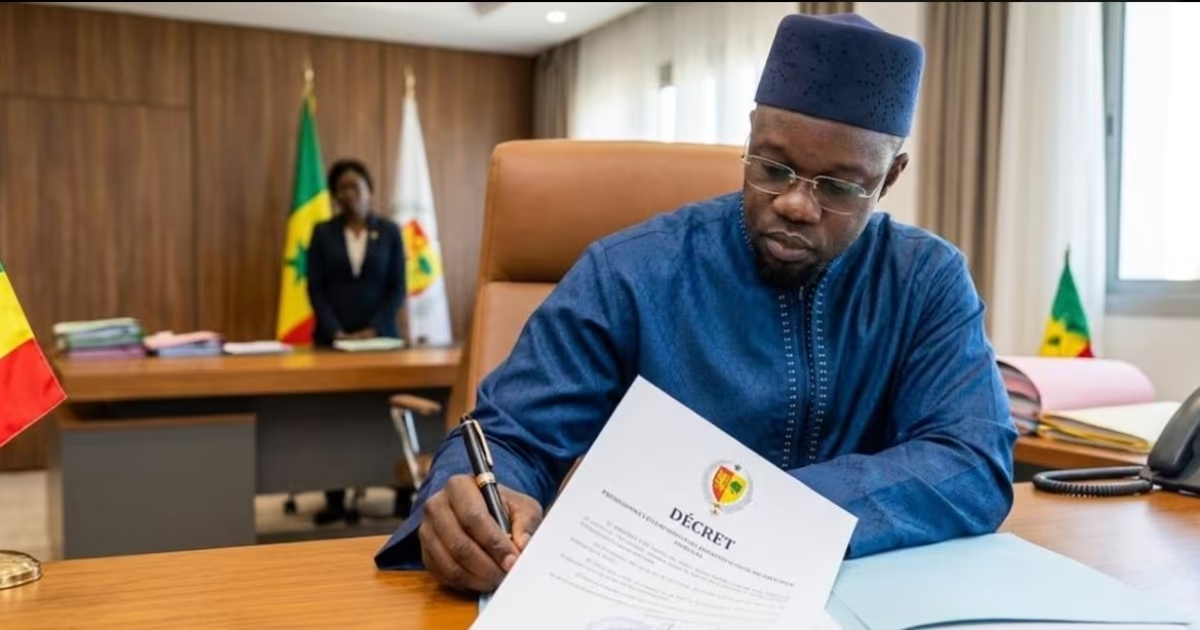
Inside Senegal's special funds battle: why Sonko's assembly and Faye's presidency are set for another constitutional clashThe organic bill no. 38/2026, amending the organic law on finance laws (LOLF), was on the agenda of Thursday's plenary session.A fresh power struggle between the executive and the parliamentary majority. On Thursday, October 1, 2026, the National Assembly led by Ousmane Sonko overrode the government's amendments on the reform of special funds, despite the use of the blocked vote. The text, an organic law, now heads to the Constitutional Council, where President Bassirou Diomaye Faye's camp could once again prevail.The organic bill no. 38/2026, which modifies the organic law on finance laws (LOLF), was on the agenda of Thursday's plenary. Its stated aim is to strengthen ...
Inside Cameroon’s anglophone standstill: what a decade of crisis reveals about the October 1 ghost town
Politics

Inside Cameroon’s anglophone standstill: what a decade of crisis reveals about the October 1 ghost town

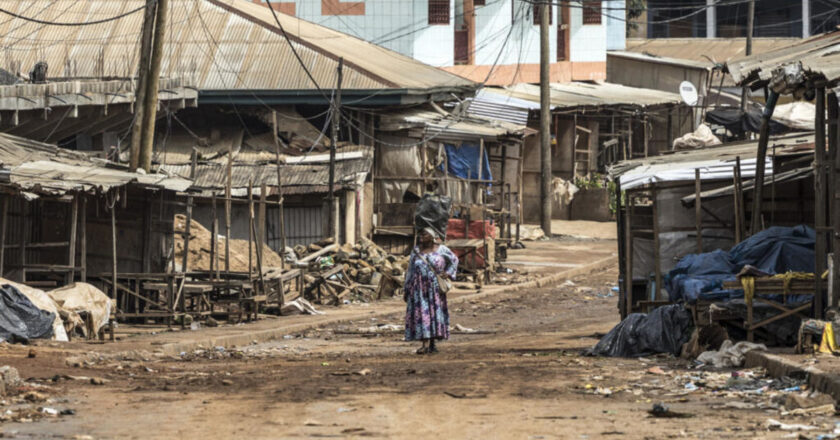
Inside Cameroon's anglophone standstill: what a decade of crisis reveals about the October 1 ghost townReporting from Yaoundé, Richard OnanenaOctober 1 marks the birth of the Federal Republic of Cameroon, a day in 1961 when the former French colony united with Southern Cameroons under British administration. That reunification, however, remains contested by some anglophone separatists. On October 1, 2017, Ambazonian separatists unilaterally declared independence for the Northwest and Southwest regions.As a "ghost town" operation was observed in several towns across the Northwest and Southwest (NOSO) on Tuesday, Cameroonian authorities, fearing protests, deployed a heavy security grid. By midday, no major incidents were reported. Yet economic and social life was largely frozen in major urba...
Eastern DRC peace mediation: how Togo’s diplomacy directly affects households and businesses
Politics

Eastern DRC peace mediation: how Togo’s diplomacy directly affects households and businesses

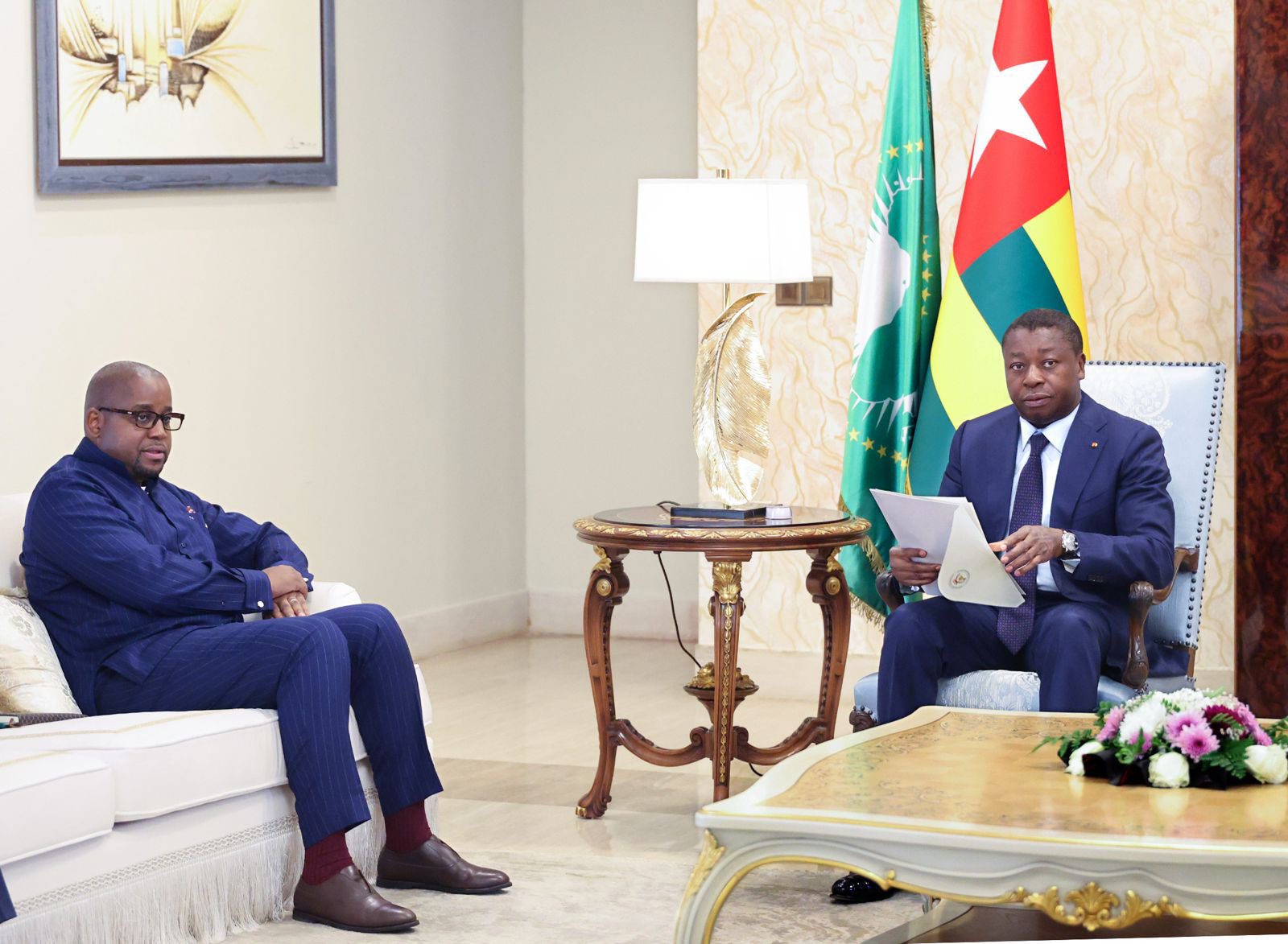
On Tuesday, September 29, 2026, Togo's President Faure Gnassingbé granted an audience in Lomé to the Democratic Republic of Congo's Minister of Regional Integration, Floribert Anzuluni, who is on an official visit to the country. The Congolese envoy, tasked with delivering a written communication from his counterpart, DRC President Félix-Antoine Tshisekedi Tshilombo, said after the meeting: "We were dispatched to the President of the Council to convey a special message from President Félix-Antoine Tshisekedi. This letter concerns the pacification process in eastern DRC, in which His Excellency Faure Gnassingbé plays a central role as the African Union mediator." The Congolese minister took the opportunity to present a detailed overview of recent progress on programs to demobilize armed gro...
AES currency uncertainty: the real-world costs of waiting for Burkina Faso’s Traoré
Politics

AES currency uncertainty: the real-world costs of waiting for Burkina Faso’s Traoré

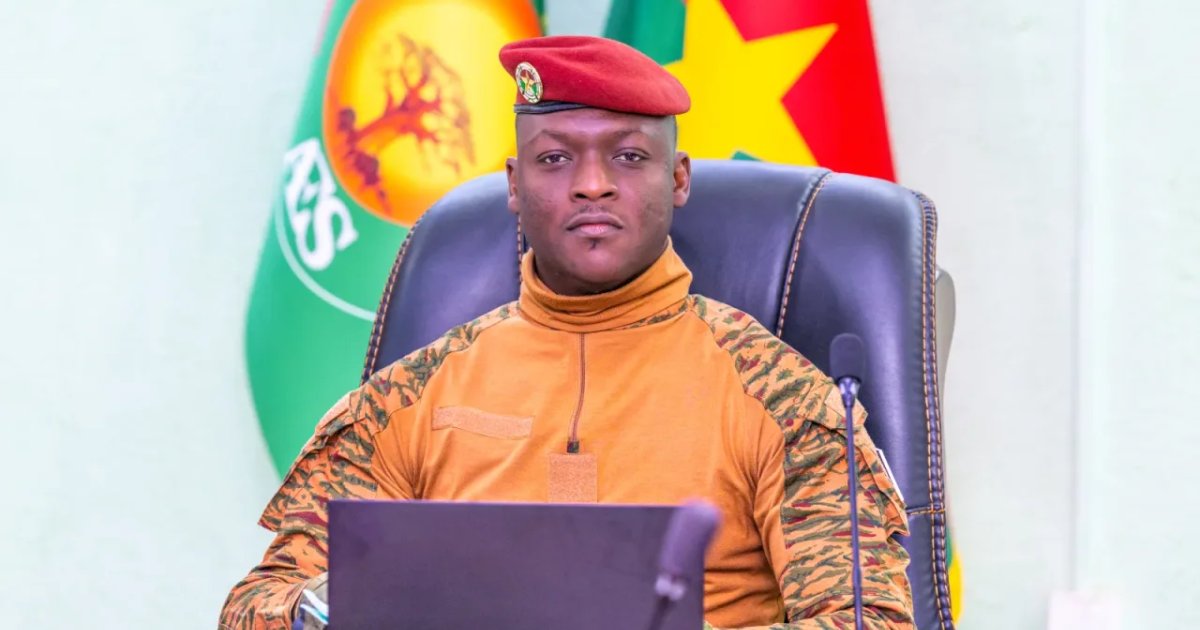
Burkina FasoAES currency uncertainty: the real-world costs of waiting for Burkina Faso's TraoréThe absence of any firm timeline for a shared currency among Burkina Faso, Mali and Niger is already shaping decisions far beyond the negotiating table, with households, traders and businesses left to plan around a question mark. When President Ibrahim Traoré faced reporters on Sunday, 27 September 2026, he neither confirmed nor denied an imminent launch, instead signalling that the file remains under review.Figures in this story Ibrahim Traoré Ousmane Traoré SambaSee all articles 28 Sep 2026 at 22:36 • Updated 28 Sep 2026 ECONOMY ↓ Read offline 🎧 Listen to the articleAES currency uncertainty: the real-world costs of waiting for Burkina Faso's TraoréPreparing audi...
Ivory Coast’s refusal of US deportee deal: the real-world costs for citizens, businesses and regional stability
Politics

Ivory Coast’s refusal of US deportee deal: the real-world costs for citizens, businesses and regional stability

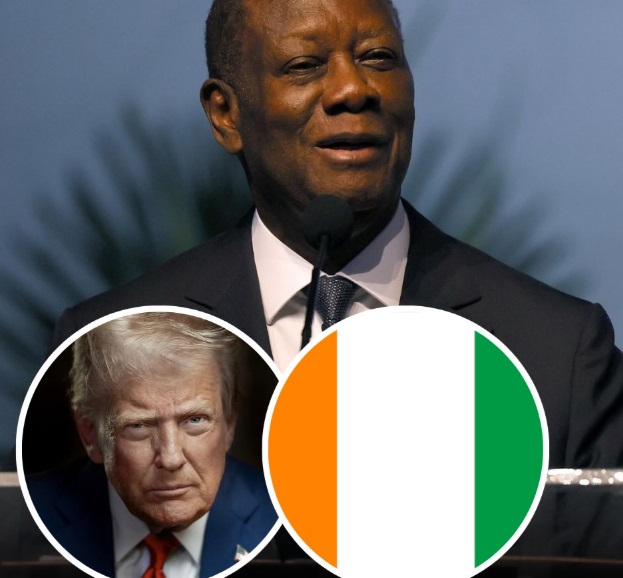
Ivory Coast has turned down a US proposal to accept people deported from the United States who are not necessarily Ivorian nationals. The decision carries tangible consequences for households, local economies and the country's international standing, as Washington expands its third-country removal policy. In mid-June 2026, a US State Department official travelled to Abidjan as part of a diplomatic tour across West and Central Africa. Christian Ehrhardt, who heads the State Department's Office of Remigration, was seeking to persuade several African governments to take in people expelled from the United States even when those individuals are not citizens of the receiving countries. The talks in Abidjan did not produce an agreement. Ivorian authorities declined the US request. What the US thi...
Senegal’s 2026 budget: the real-world fallout of a Sonko-Diomaye Faye deadlock
Politics

Senegal’s 2026 budget: the real-world fallout of a Sonko-Diomaye Faye deadlock

Senegal's 2026 budget: the real-world fallout of a Sonko-Diomaye Faye deadlockThe 2026 supplementary finance bill is more than a parliamentary tussle: if it stalls, the fallout will hit households, businesses, and the country’s creditworthiness. As Assembly speaker, Ousmane Sonko holds the levers to delay, reshape, or kill the text—and the consequences will be felt far beyond the chamber.Bassirou Diomaye Faye is confident that the Pastef majority will approve the 2026 supplementary finance law. But at the National Assembly, Ousmane Sonko has real tools to slow, reshape, or even bring down the bill. The key is to understand what the Constitution allows each side to do—and at what cost.The head of state has little doubt about the outcome. For Bassirou Diomaye Faye, Ousmane Sonko—speaker of t...
Senegal’s December 2, 2026: What an assembly dissolution would cost you
Politics

Senegal’s December 2, 2026: What an assembly dissolution would cost you

Senegal's December 2, 2026: What an assembly dissolution would cost you On December 2, 2026, Senegal's president will gain the power to dissolve the National Assembly—a move that could trigger a costly snap election and disrupt the political landscape for citizens and businesses alike. In just over two months, the president of Senegal will possess a constitutional weapon that has been off-limits until now: the dissolution of the National Assembly. With a parliament controlled by Pastef and an executive now backed by its own party, the country is approaching a pivotal date. This analysis breaks down the timeline, the options on the table, their financial implications, and what each side stands to gain or lose. The date is no coincidence. Article 87 of the Constitution allows the head o...