Saturday, November 21

Politics

Senegal’s budget rebellion: how Pastef’s dissent redraws IMF talks and eurobond destiny
Politics

Senegal’s budget rebellion: how Pastef’s dissent redraws IMF talks and eurobond destiny

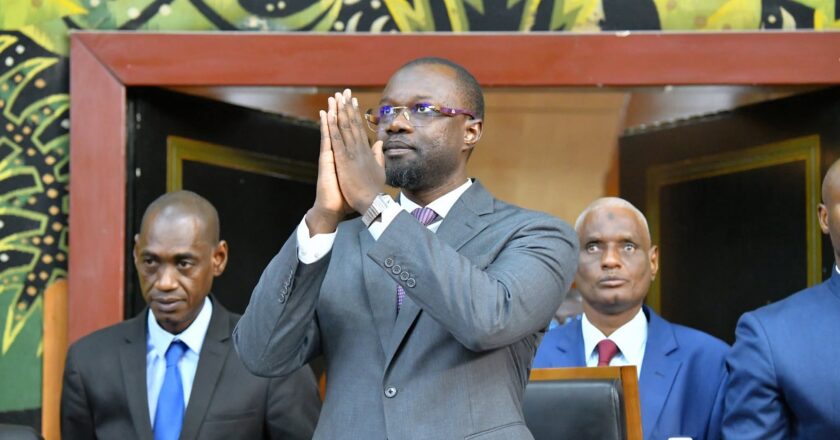
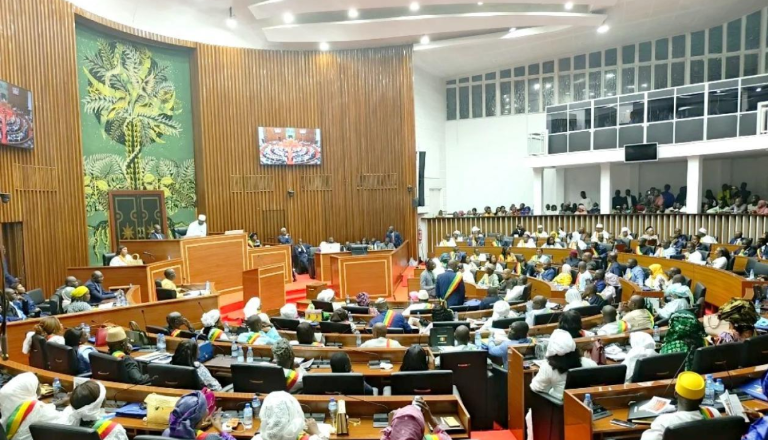
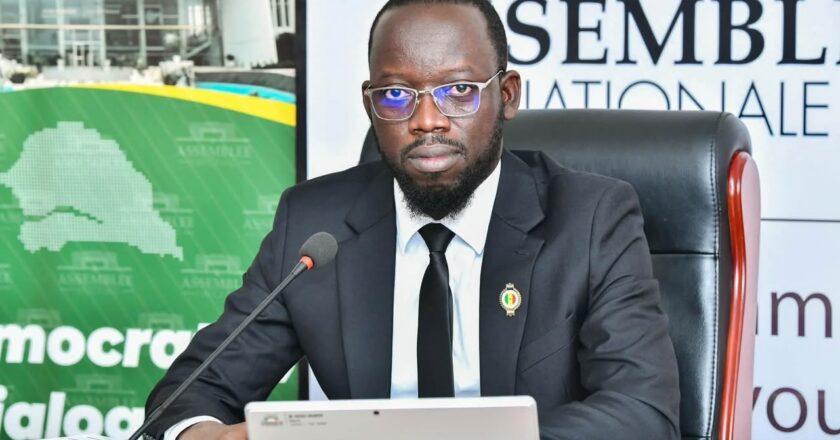
On November 3rd, Senegal’s parliament delivered an uncommon verdict: 109 votes against, 20 in favor, and 3 abstentions. The tally wasn’t an opposition triumph—it was a rebellion within the ruling majority itself. The motion, spearheaded by members of Pastef, blocked the 2026 supplementary budget bill, derailing months of negotiations and resurrecting fears over Dakar’s commitment to its IMF program and eurobond obligations. With 130 of 165 seats already under its control, the ruling bloc’s internal dissent now overshadows the conventional tug-of-war between majority and opposition. Pastef's internal revolt: a procedural blockade with far-reaching consequences Pastef’s leadership, including National Assembly President Ousmane Sonko, had drawn a clear red line as early as October 19th: no ...
Senegal’s political crossroads: parliament’s 2026 budget rejection sparks fresh tensions and uncertainty
Politics

Senegal’s political crossroads: parliament’s 2026 budget rejection sparks fresh tensions and uncertainty

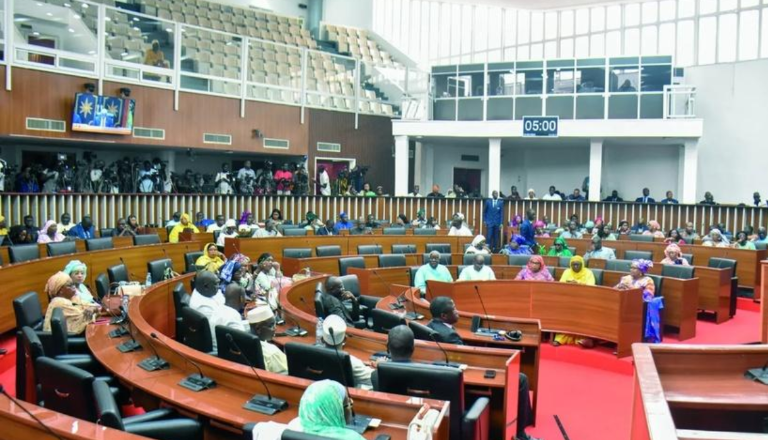
The political fallout from President Bassirou Diomaye Faye’s split with his former party, the PASTEF, has now taken a dramatic institutional turn. On November 3, 2026, Senegal’s National Assembly dealt a stinging blow to the government by rejecting the 2026 supplementary finance bill, marking a sharp escalation in the ongoing power struggle between the executive branch and the majority PASTEF-led parliament. What the parliamentary vote reveals about shifting power dynamics The vote on the revised budget was not just a procedural setback—it was a clear signal of rebellion within the PASTEF’s own ranks. With 109 lawmakers voting in favor of rejecting the bill, 20 against, and three abstentions, the outcome underscores a widening rift between the presidency and the party that once united th...
Ghana’s Hamile blast triggers urgent regional security reevaluation
Politics

Ghana’s Hamile blast triggers urgent regional security reevaluation

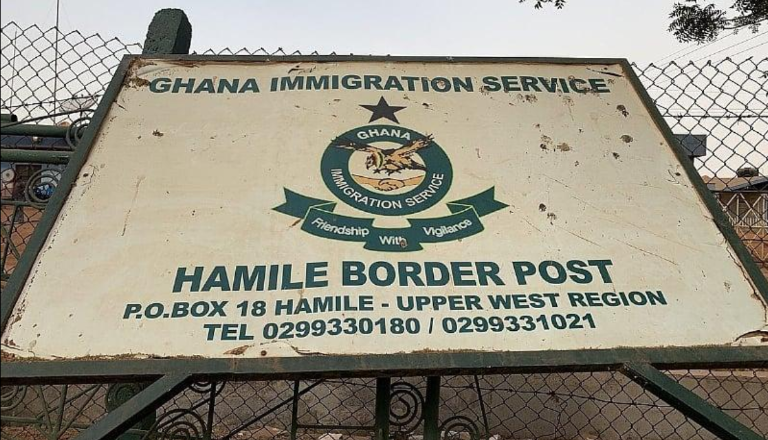
Aftermath of tragedy: what Hamile's explosion reveals about Ghana's border security The deadly explosion in Ghana's northern town of Hamile has ignited fierce debate over border security protocols, with authorities now under pressure to address critical vulnerabilities exposed by the incident. The blast, which occurred during an interception operation involving suspected explosives, has left one immigration officer dead and another severely injured, raising serious questions about the effectiveness of current border control measures. The tragedy unfolded as security forces attempted to stop a tricycle suspected of transporting explosives, including dynamite. Eyewitness accounts suggest the vehicle was traveling along an unauthorized route when officers commanded it to halt at a checkpoin...
Congo’s political crisis sparks fierce backlash as Fayulu blasts Tshisekedi and Kabila’s strategy
Politics

Congo’s political crisis sparks fierce backlash as Fayulu blasts Tshisekedi and Kabila’s strategy

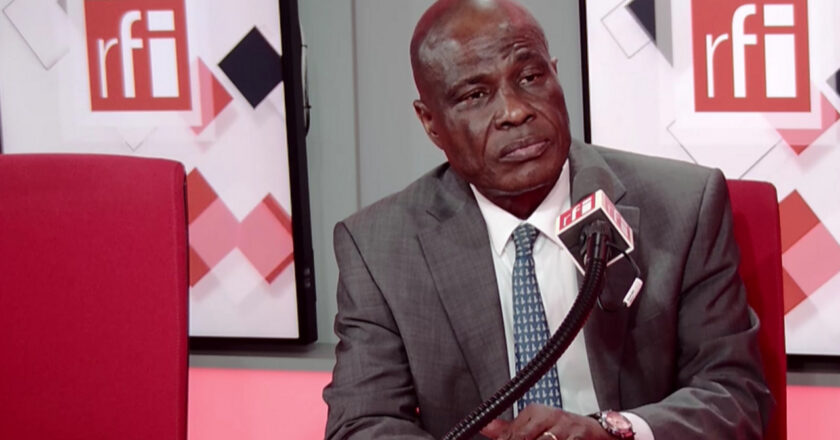
In the Democratic Republic of Congo, President Félix Tshisekedi’s pledge to launch a national dialogue continues to draw sharp criticism, with mounting accusations that the initiative lacks transparency and credibility. Opposition leaders, including prominent figures like Martin Fayulu, are framing the process as a smokescreen that further restricts political freedoms, particularly in the aftermath of high-profile arrests such as that of Prince Epenge. The coalition behind the Article 64 movement (C64) has proposed separate meetings with both President Tshisekedi and former President Joseph Kabila, while embarking on a diplomatic tour across Europe. But what concrete demands are they pursuing from these engagements, and what signals do they aim to send to Western partners? Mounting tensio...
How Ousmane Sonko is reshaping Senegal’s public policies into citizen-driven change
Politics

How Ousmane Sonko is reshaping Senegal’s public policies into citizen-driven change

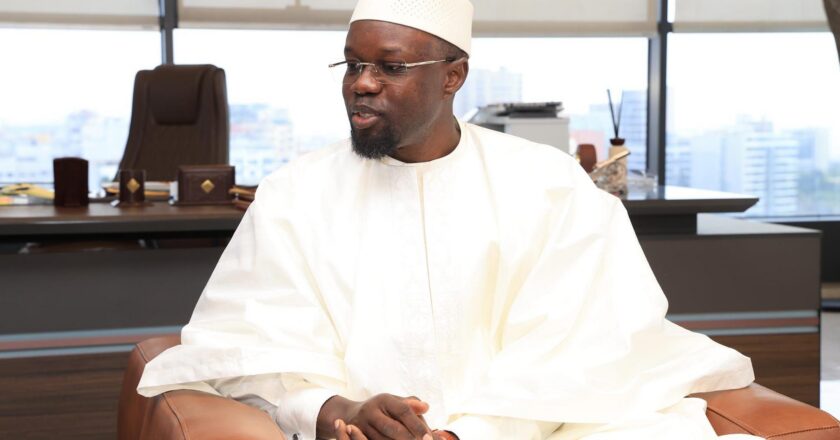
How Ousmane Sonko is reshaping Senegal's public policies into citizen-driven changeSenegal stands at a critical crossroads where public policies—once shrouded in bureaucratic complexity—are now being reimagined through the lens of citizen empowerment. At the heart of this transformation is Ousmane Sonko, whose approach to governance has turned abstract government decisions into tangible tools for community action and economic resilience. His work doesn’t just change policies; it changes how everyday citizens interact with and benefit from them. Why Ousmane Sonko’s approach to public policy matters for every Senegalese Public policies in Senegal—covering issues from tax reform to energy governance—are typically crafted in technical language and implemented through top-down structures. Thi...
Togo-Russia summit: Faure Gnassingbé’s bold moves and real consequences for citizens
Politics

Togo-Russia summit: Faure Gnassingbé’s bold moves and real consequences for citizens

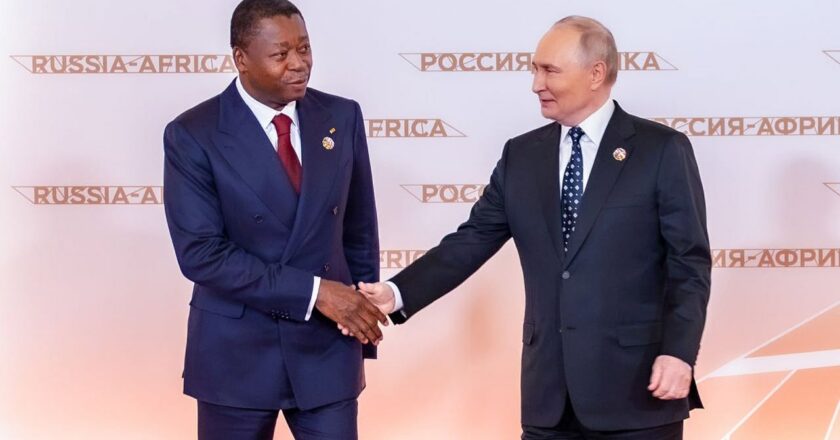
Togo-Russia summit: Faure Gnassingbé's bold moves and real consequences for citizens At the third Russia-Africa Summit in Moscow, Togolese leadership took decisive steps to reshape the nation’s economic future through expanded partnerships with Russia. President Faure Essozimna Gnassingbé outlined clear priorities—energy, agriculture, industrial transformation, and technical education—that could directly impact the daily lives of Togolese citizens and shape the country’s economic trajectory. The commitments made in Moscow are more than diplomatic statements; they represent a potential turning point for local businesses, job seekers, and families across Togo. Energy and agriculture: two pillars of Togo’s future Energy and agriculture emerged as the cornerstones of Togo’s strategic cooper...
Senegal’s political deadlock: how Sonko’s absence at youth Olympics widens divides
Politics

Senegal’s political deadlock: how Sonko’s absence at youth Olympics widens divides

Senegal’s political landscape has reached a critical juncture as the absence of opposition leader Ousmane Sonko from the Youth Olympics opening ceremony in Dakar stirs fresh debates on national cohesion. The controversy erupted during a live radio debate on RFM’s Remue Ménage, where commentators condemned what they described as a deliberate exclusion from the event hosted by President Bassirou Diomaye Faye. The missed invitation: a political statement or oversight? Amadou Ba, a prominent lawmaker from the PASTEF party, questioned the lack of formal invitation sent to Sonko, who holds the title of second-highest state official. Speaking on the same program, journalist Samba Magane argued that Sonko’s presence would have symbolized national unity, especially given the unifying power of spor...
Gabon’s PDG in reckoning: post-palace meeting sparks debate on party’s future
Politics

Gabon’s PDG in reckoning: post-palace meeting sparks debate on party’s future

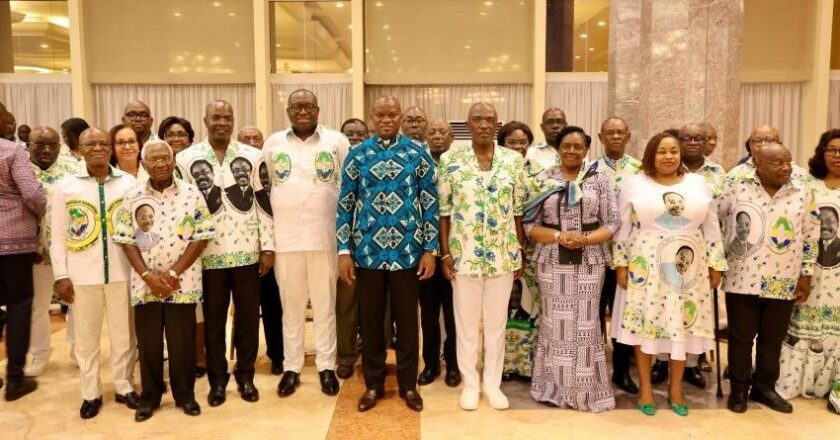
Politics Gabon's PDG in reckoning: post-palace meeting sparks debate on party's future 163 No comment Libreville, October 31, 2026 — Three years after relinquishing power it held for over half a century, Gabon’s PDG finds itself at a crossroads following a high-stakes meeting at the Palace of Renovation. While President Brice Clotaire Oligui Nguema received a delegation led by party chief Blais...
Silent detention of Niger’s Moussa Kaka sparks global outcry over press freedom
News, Politics

Silent detention of Niger’s Moussa Kaka sparks global outcry over press freedom

Sixty days after renowned Nigerien journalist Moussa Kaka vanished without a trace, the military regime led by General Abdourahamane Tiani faces mounting pressure to account for its actions. While Niamey has finally acknowledged holding the journalist in custody, it has yet to disclose the circumstances of his arrest, the legal basis for his detention, or his current whereabouts fueling widespread concerns about transparency and press freedom in the Sahel nation.Kaka, who serves as director-general of Radio Télévision Saraounia (RTS) and previously worked as a correspondent for Radio France Internationale (RFI), disappeared on the evening of August 31, 2026, shortly after leaving his media office in Niamey. His vehicle also disappeared from tracking systems, leaving family, colleagues, and...
Senegal’s political crisis deepens: Sonko’s late-night Touba meeting and its economic ripple effects
Politics

Senegal’s political crisis deepens: Sonko’s late-night Touba meeting and its economic ripple effects

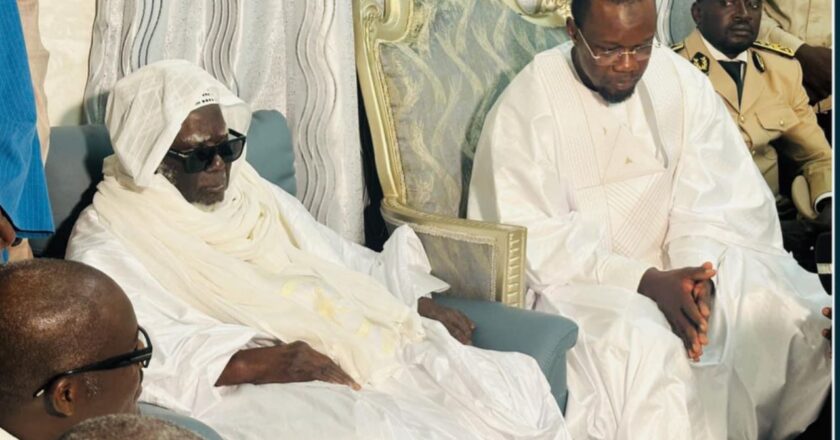
Senegal’s political landscape faces unprecedented instability following an unannounced nocturnal visit by National Assembly President Ousmane Sonko to Touba, where he met privately with the Mouride community’s spiritual leader. The clandestine audience, lasting nearly an hour, has triggered a wave of speculation about its implications for governance, legislative-executive relations, and the nation’s economic outlook. With no official statements issued after the meeting, the absence of transparency has amplified concerns among citizens and investors alike regarding the stability of Senegal’s institutional framework. The unpublicised meeting: what transpired behind closed doors On Thursday night, Ousmane Sonko, flanked by Serigne Cheikh Thioro Mbacké and businessman N. S., arrived in Touba ...
Benin’s senate stakes claim as political mediator amid rising tensions in west africa
Politics

Benin’s senate stakes claim as political mediator amid rising tensions in west africa

As policymakers in Cotonou and Dakar navigate a season of heightened political friction, the Beninese Senate has emerged as a central figure in the debate over whether institutional mediation can prevent the kinds of parliamentary deadlocks seen recently in Senegal. With its first ordinary session opening on October 28, 2026, the upper chamber is positioning itself not just as a legislative body, but as a stabilizing force in a region where political disputes increasingly threaten economic stability and public confidence. Senate’s debut session marks pivot toward institutional calm The opening of the Beninese Senate’s first ordinary session on October 28, 2026, was more than procedural—it was a statement. Under the leadership of President Patrice Talon, the chamber formally committed to b...
Senegal’s democracy at risk: political violence threatens national stability
Politics

Senegal’s democracy at risk: political violence threatens national stability

When political rhetoric turns into real danger for Senegal Death threats targeting prominent opposition leader Ousmane Sonko are not just words—they pose a direct threat to Senegal’s hard-won democratic stability. The escalating violence risks destabilizing a nation that has long been a regional model for peaceful governance and rule of law. Amid growing tensions, Honorable El Hadji Gueye has issued a strong warning against the dangerous trend of political intimidation. His statement calls for urgent action to protect democratic values and prevent further erosion of national cohesion. From heated debates to dangerous threats The political climate in Senegal has reached a critical point. What began as sharp ideological disagreements has spiraled into open threats of violence against key...