Saturday, November 21

Politics

Senegal’s democracy in jeopardy: Sonko and parliamentary leaders face alleged assassination plots
Politics

Senegal’s democracy in jeopardy: Sonko and parliamentary leaders face alleged assassination plots

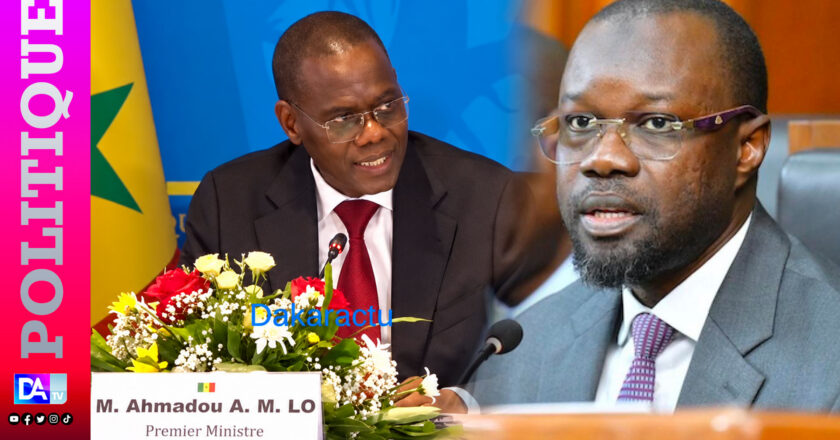
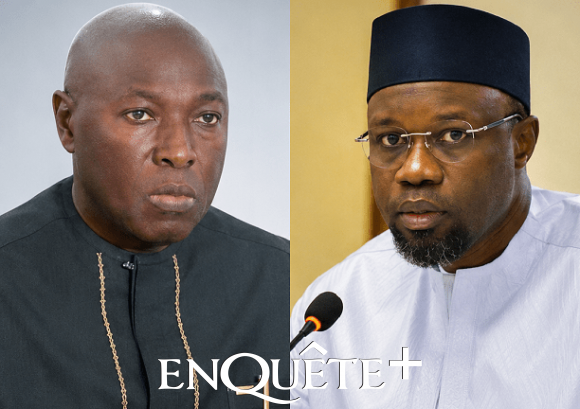
Unmasking the threats against Senegal's opposition and legislative leadership The Patriotes of Africa for Ethics and Work (Pastef) has escalated its warnings about what it describes as a disturbing escalation of violent rhetoric targeting opposition figures and parliamentary leaders in Senegal. In an official communiqué released by its National Political Bureau, the party accuses member Arona Coumba Ndoffène Diouf of the Kiiraay party of publicly urging members of his own formation to orchestrate a plot aimed at "eliminating" prominent opposition leader Ousmane Sonko. How inflammatory rhetoric could destabilize Senegal's political landscape Pastef argues that these statements are part of a dangerous trend of normalizing hate speech and calls for direct action against opposition voices. Th...
Senegal’s political crisis deepens as ruling party member calls for ousting of opposition leader
Politics

Senegal’s political crisis deepens as ruling party member calls for ousting of opposition leader

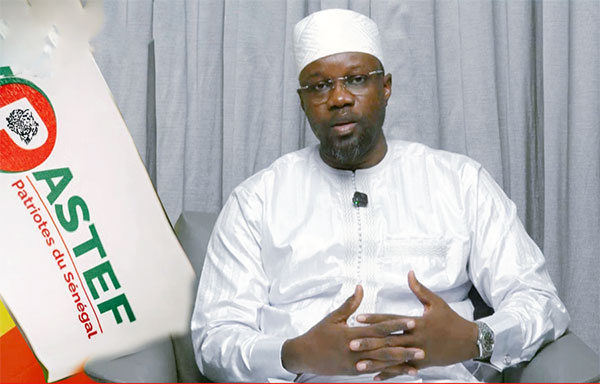
How inflammatory rhetoric from ruling party officials is fueling instability in Senegal Escalating threats against prominent opposition figure Ousmane Sonko are now being openly voiced by members of Senegal's ruling coalition, raising serious concerns about the country's democratic stability. The latest alarm comes from Arona Coumba Ndoffène Diouf of the president's Kiiraay party, who publicly urged party leaders to orchestrate a plot aimed at removing Sonko from political life, a move that threatens to further destabilize an already fragile political climate. Real-world consequences of unchecked political violence The timing of these remarks could not be more critical. Since 2021, Senegal has experienced repeated cycles of unrest linked to political confrontations, including violent crac...
Cameroon’s FSNC suspension stirs controversy: is it a legal safeguard or political overreach?
Politics

Cameroon’s FSNC suspension stirs controversy: is it a legal safeguard or political overreach?

Yaoundé — The suspension of Cameroon’s Front for National Salvation (FSNC) has ignited a fierce debate over whether the government’s move is a justified protective measure or an escalation of political pressure. Critics argue the decision raises serious questions about the balance between security and freedom of expression. Political parties challenge the grounds of the suspension The Democratic Union of Cameroon (UDC), led by Hermine Patricia Tomaino Ndam Njoya, has raised strong objections to the three-month suspension imposed by Territorial Administration Minister Paul Atanga Nji. The UDC questions whether the suspension aligns with legal principles or serves as an additional punitive action beyond judicial proceedings. According to the minister’s order, the suspension stems from all...
Russia-Africa summit 2026: Goïta’s solo mission raises questions over Sahel unity
Politics

Russia-Africa summit 2026: Goïta’s solo mission raises questions over Sahel unity

The third Russia-Africa summit, held in Moscow on October 28–29, 2026, has cast a spotlight on the Alliance of Sahel States (AES), where the presence of leaders has become a topic of intense debate. While Malian transitional President Assimi Goïta arrived in the Russian capital at the head of an official delegation, the participation of his counterparts from Burkina Faso and Niger remains shrouded in uncertainty. This stark contrast in representation has fueled speculation about the future of regional cohesion within the alliance. Goïta’s solo mission: Mali takes center stage in Moscow General Assimi Goïta was the only AES leader to make a confirmed personal appearance at the summit. His arrival on October 26 was widely reported, with footage capturing his landing in Moscow and his schedu...
Congo elections delay backlash: what happens when democracy is deferred?
Politics

Congo elections delay backlash: what happens when democracy is deferred?

As the Democratic Republic of Congo grapples with yet another postponement of its electoral calendar, the political fallout intensifies across the nation. Opposition leader Delly Sesanga has sharply criticized the delays, warning that deferring elections has become a troubling pattern that risks undermining the country’s fragile democratic institutions. In a recent address from Paris, Sesanga argued that the repeated extensions threaten to normalize instability and leave citizens trapped in a cycle of uncertainty. Why the escalating backlash against election delays? With the electoral process repeatedly pushed back, public frustration has reached a boiling point. Critics argue that the delays are not merely logistical hiccups but deliberate stalling tactics aimed at preserving the statu...
Senegal’s revised budget battle: can the government bridge the parliamentary divide?
Politics

Senegal’s revised budget battle: can the government bridge the parliamentary divide?

Parliamentary tension escalates as revised finance bill faces resistance The Senegalese government is grappling with an unprecedented challenge as its revised budget proposal stumbles over internal dissent within its own parliamentary ranks. Prime Minister Ahmadou Al Aminou Lô is racing against time to salvage the finance bill amid growing signs of discontent among the ruling Pastef party’s MPs ahead of a critical vote. From commission rejection to full parliamentary showdown A powerful warning shot was fired on Friday, October 23, when the Pastef-led parliamentary commission overwhelmingly rejected the revised finance bill. This setback, occurring just days before the plenum vote scheduled for Tuesday, October 27, has placed the government in an unenviable position. With the party holdin...
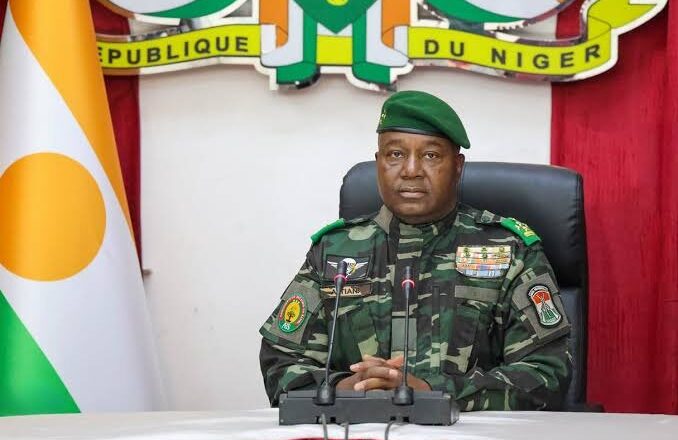
Niger’s military rulers face growing criticism as sovereignty claims falter three years post-coup
Politics

Niger’s military rulers face growing criticism as sovereignty claims falter three years post-coup

From promises of change to a sovereignty paradox in Niger The National Council for the Safeguarding of the Homeland (CNSP) justified its July 26, 2023 coup by citing worsening security threats, poor governance, and what it described as the loss of sovereignty under democratically elected President Mohamed Bazoum. Yet over three years later, the reality on the ground tells a starkly different story: rather than resolving these issues, the military regime has not only perpetuated the problems it condemned but has deepened them across multiple fronts. Ambiguous alliances erode promised sovereignty The withdrawal of French and American troops was heralded as a cornerstone of restored sovereignty. However, Niamey’s subsequent pivot toward opaque international partnerships has raised troubling ...
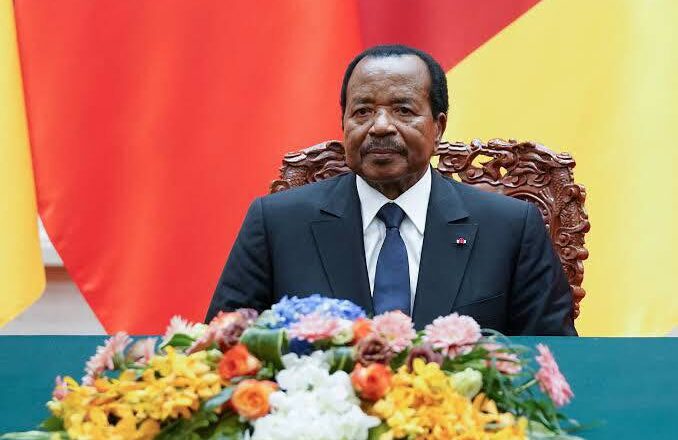
Cameroon’s vice-presidential puzzle: Biya’s succession fears shape institutional silence
Politics

Cameroon’s vice-presidential puzzle: Biya’s succession fears shape institutional silence

After the constitutional overhaul: why Cameroon's vice-presidential appointment remains in limbo Since the April 2026 constitutional reform reintroduced the vice-presidential office in Cameroon, the presidency has yet to fill the position. Analysts now suggest that President Paul Biya’s prolonged hesitation stems from deep-seated concerns over the implications of his own succession. The revised constitution grants the vice-president a pivotal role in determining whether the president is permanently incapacitated—a responsibility that could directly impact presidential authority and longevity. Reading the constitution: the hidden calculus behind an empty seat Political commentator Stéphane Menounga argues that President Biya, upon reviewing the updated constitutional provisions, realized...
Senegal’s 2026 budget revision: Prime Minister Al Aminou Lo addresses growing backlash over fiscal adjustments
Politics

Senegal’s 2026 budget revision: Prime Minister Al Aminou Lo addresses growing backlash over fiscal adjustments

The Senegalese Prime Minister, Al Aminou Lo, has come under intense scrutiny following the rollout of the country’s revised 2026 budget, a direct consequence of economic turbulence shaking household incomes and corporate balance sheets. Speaking at a press conference, Lo framed the rectified finance law (LFR) as an inevitable correction to the initial budget, which was championed by former Prime Minister Ousmane Sonko. However, the move has ignited a political firestorm, with critics questioning the government’s fiscal strategy amid soaring energy costs and shrinking revenue streams. Prime Minister Lo defends revised budget as a necessary economic adjustment The Prime Minister emphasized that the LFR was not a radical departure but a pragmatic response to unforeseen economic pressures sin...
Public debate intensifies as Algeria’s parliament weighs Sahel military stance
Politics

Public debate intensifies as Algeria’s parliament weighs Sahel military stance

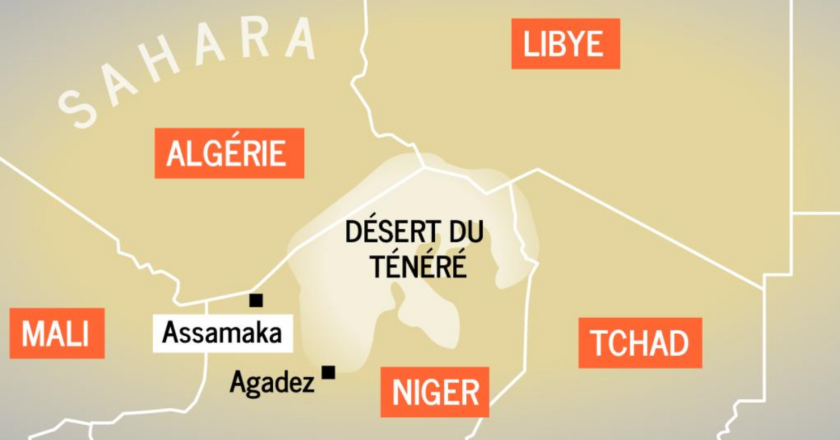
The urgent summoning of Algeria’s parliamentary chambers on 25 October has reignited discussions about the nation’s evolving military posture toward Niger. While speculation swirls around a potential escalation in Algerian involvement, the implications stretch far beyond mere military intervention—encompassing regional sovereignty, shifting alliances, and the recalibration of Sahel security dynamics. Is Algeria poised for a strategic shift in Sahel security? The extraordinary parliamentary session scheduled for 25 October has fueled conjecture, particularly regarding a possible mandate for military deployment in Niger. With no official agenda disclosed, the lack of clarity has only amplified questions about Algeria’s next steps. As of now, no formal announcement confirms a military interv...
Gabon’s decentralisation: public reaction and the path forward after political pledges
Politics

Gabon’s decentralisation: public reaction and the path forward after political pledges

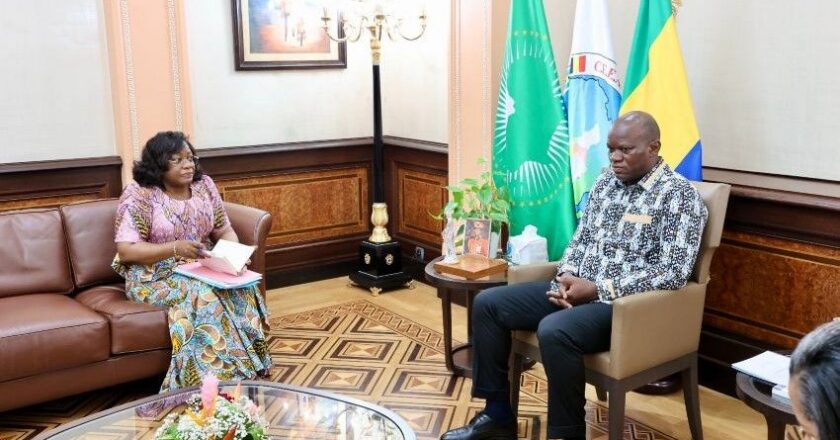
Libreville — President Brice Clotaire Oligui Nguema’s recent meeting with Senate leader Huguette Nyana Ekoume Awori Onanga has sparked intense debate over Gabon’s decentralisation reform. At the heart of discussions: whether local authorities can truly exercises new responsibilities without the financial and administrative means to back them up. As public reaction mounts, the question remains: will this reform deliver real change or succumb to empty promises? The decentralisation push aims to bring governance closer to citizens, allowing local bodies to address community needs, tailor public policies to provincial realities, and bridge territorial divides. Yet its success hinges on a fragile balance between authority, funding, and administrative capacity—a challenge Gabon is now confronti...
Benin democrats’ crisis: public fallout and political outlook after atchadé’s leadership push
Politics

Benin democrats’ crisis: public fallout and political outlook after atchadé’s leadership push

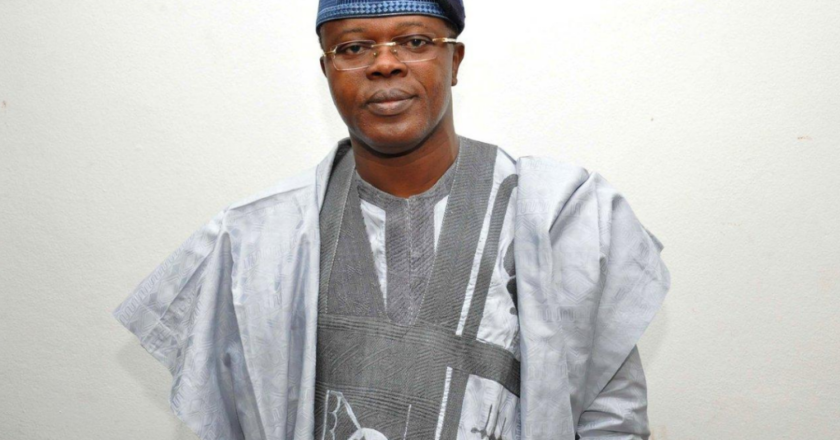
The appeal trial in the Houndété-Atchadé dispute—stemming from the contested succession of Thomas Boni Yayi as leader of Benin’s Les Démocrates party—has now been postponed to 14 January 2027. Amid ongoing legal proceedings and internal restructuring, the ordinary congress held on 11 October 2026 elevated Nourénou Atchadé to the party presidency, adding another layer of complexity to the leadership crisis crippling Benin’s main opposition force. Leadership turmoil far from resolved The power struggle within Les Démocrates shows no signs of abating. After hopes for a judicial resolution to the conflict between Éric Houndété and Nourénou Atchadé, the appeal trial was delayed once again, extending the uncertainty over who truly leads the party. Deep internal divisions continue to weaken its ...