Saturday, November 21

Politics

The fall of kémi séba and the collapse of panafricanist unity
Analysis, News, Politics, Top Stories

The fall of kémi séba and the collapse of panafricanist unity

Kémi Séba, a controversial figure in African activism, finds himself in an unprecedented state of isolation following his arrest in South Africa this April. As authorities move toward extradition to Benin, the once-vocal leader appears abandoned by his former allies, including Nathalie Yamb and Franklin Nyamsi. The silence from these prominent figures speaks volumes, revealing fractures within the panafricanist movement that can no longer be ignored. the silence of former allies In past years, any legal trouble involving a panafricanist activist would trigger an immediate outpouring of public support—tweets, live streams, and fiery statements were standard responses. Yet, since Séba’s detention in Pretoria, the reaction from his peers has been strikingly restrained. Yamb, known as the "Da...
Benin moves toward political harmony as Boni Yayi endorses Romuald Wadagni
News, Politics, Top Stories

Benin moves toward political harmony as Boni Yayi endorses Romuald Wadagni

In a move that signals a significant shift in the West African nation's political landscape, Benin is showcasing a remarkable demonstration of democratic maturity. Former President Thomas Boni Yayi, a central figure in the country's public life, has publicly embraced the path of reconciliation by officially acknowledging the leadership of Romuald Wadagni. This solemn gesture is being viewed as the cornerstone of a new era dedicated to national stability. A foundation for national harmony By extending what he termed "paternal and republican congratulations" to the new head of state, Thomas Boni Yayi has effectively moved beyond the frictions of the campaign season. This alignment with the republican order serves as more than a mere protocol; it is a powerful message of de-escalation aimed ...
Burkina Faso dissolves over 100 ngos amid growing civic repression
Politics

Burkina Faso dissolves over 100 ngos amid growing civic repression

Burkina Faso's decision to dissolve over 100 NGOs sparks widespread concern Following Burkina Faso's decision to dissolve 118 NGOs and associations, Ousmane Diallo, Senior Researcher on the Sahel at Amnesty International's West and Central Africa Regional Office, expressed deep alarm: The move constitutes a blatant violation of the constitutional right to freedom of association, which remains enshrined in Burkina Faso's legal framework despite recent amendments. This action also contradicts the country's international human rights obligations, including those outlined in the African Charter on Human and Peoples' Rights and the International Covenant on Civil and Political Rights, both of which Burkina Faso has ratified. This sweeping dissolution represents a calculated effort to suppre...
Burkina Faso: Influential Imam Mahmoud Barro’s Disappearance Sparks Outcry in Bobo-Dioulasso
News, Politics, Top Stories

Burkina Faso: Influential Imam Mahmoud Barro’s Disappearance Sparks Outcry in Bobo-Dioulasso

More than a week has passed since his last public appearance, and the fate of Imam Mahmoud Barro remains shrouded in uncertainty. An influential religious figure in Bobo-Dioulasso, Burkina Faso's second-largest city, he has been reported missing since March 31st. Amid escalating rumors of abduction and a conspicuous silence from official channels, this case has ignited profound concern within the Muslim community and broader civil society across Burkina Faso. An unsettling quiet now hangs over Imam Barro's neighborhood in Bobo-Dioulasso. For seven days, his loved ones have been without any news. Consistent testimonies from his family circle suggest the religious leader was reportedly "abducted" by unidentified individuals. While no group has claimed responsibility for this alleged disappe...
Burkina Faso leader tells citizens to move past democratic ideals
Politics

Burkina Faso leader tells citizens to move past democratic ideals

The head of the ruling military junta in Burkina Faso, Captain Ibrahim Traoré, has urged the population to set aside expectations for a democratic system. During a televised press briefing on the evening of April 2, he stated that the concept of democracy is simply "not for us." This statement marks a significant moment in African politics, as the leader, who seized power in a September 2022 coup—the second in the country within eight months—solidifies his long-term vision for the nation's governance Africa. While a political transition following the initial 2022 putsch was originally slated to conclude with elections in July 2024, the current administration has charted a different course. Consolidation of power and electoral changes Under a newly adopted charter, the military regime is...
Burkina Faso: military ruler rejects democracy as path to stability
Politics

Burkina Faso: military ruler rejects democracy as path to stability

Burkina Faso's junta leader declares democracy incompatible with national progress Ouagadougou — Burkina Faso's military leader has called for democracy to be abandoned, arguing that Western-style governance has failed the nation and fuels division rather than progress. In a nationally televised address on Thursday, Captain Ibrahim Traoré declared that the people must abandon all notions of democratic governance, stating that "democracy kills. It is not for us." The 38-year-old junta chief, who seized power three years ago, claimed that most Africans reject democratic systems and that Burkina Faso must forge its own path. He pointed to Libya as a cautionary example, highlighting how Western intervention led to prolonged instability after the fall of Muammar Gaddafi's regime. Traoré'...
African governance challenges: analyzing democracy trends across the continent
Politics

African governance challenges: analyzing democracy trends across the continent

The state of African democracy amid rising political shifts The African continent has witnessed a significant transformation in its political landscape since 2020, marked by a wave of military takeovers in nine nations. These abrupt changes have displaced democratically elected leaders, raising concerns about the stability and future of governance systems. The trend reflects deeper shifts in power dynamics, where military factions have seized control under varying pretexts, often citing instability or corruption. Challenges to democratic norms in Africa Beyond the coups, Africa’s political trajectory is increasingly diverging from Western expectations. The continent is embracing alternative governance models, often categorized as illiberal regimes, which prioritize stability over traditi...
Côte d’Ivoire’s evolving agricultural landscape and policy challenges
Politics

Côte d’Ivoire’s evolving agricultural landscape and policy challenges

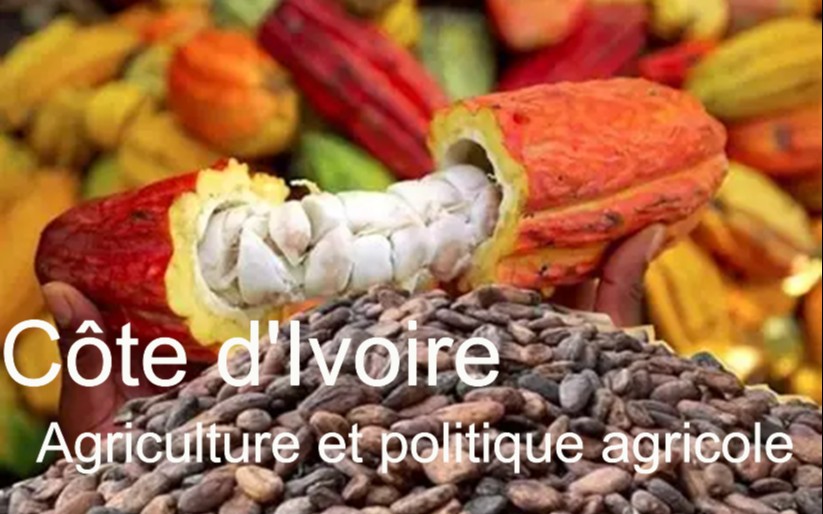
Accueil Trésor-Info Article Côte d'Ivoire - Agriculture et politique agricole Côte d'Ivoire stands out as one of West Africa's most vibrant economies, with its foundational strength rooted in agriculture. Historically, at the time of its independence, the agricultural sector contributed nearly 50% to the nation's Gross Domestic Product (GDP). While this figure saw a shift to 15.9% of GDP by 2024, the sector remains a critical employer, directly supporting 46% of the ...
Why corruption and financial crime persist in Niger despite efforts
Politics

Why corruption and financial crime persist in Niger despite efforts

Every year, Transparency International releases its Corruption Perceptions Index, a barometer of public governance worldwide. The latest report reveals a troubling trend: corruption isn’t receding—it’s spreading, even in countries with strong democratic institutions. This global pattern highlights a systemic and deeply entrenched problem that defies political regimes or economic development levels. In 2025, 122 of the 182 countries assessed scored below 50—the threshold considered high for public-sector corruption. Niger, with a score of 31, falls well short of this benchmark. Ranked 124th out of 182 nations, it slipped three places from the previous year, underscoring how corruption continues to cripple public institutions, erode legal equality, and undermine public trust in governance. ...
International bodies condemn political interference in Côte d’Ivoire journalists’ union
Politics

International bodies condemn political interference in Côte d’Ivoire journalists’ union

Media unions decry political pressure on Ivorian press organization On February 20, a judicial ruling halted the scheduled ordinary congress of the National Union of Journalists of Côte d'Ivoire (UNJCI) following a legal challenge by a group demanding strict adherence to internal regulations. In response, the UNJCI has initiated an appeal process against this suspension. With the current leadership's mandate set to expire on February 26, the organization convened an emergency extraordinary congress on February 25. This move aimed to prevent a total institutional collapse. During this assembly, members voted by a significant majority to extend existing mandates until a proper elective congress can be organized, ensuring the continuity of independent African journalism. Despite the procedura...
Mali’s anti-corruption efforts: a dip in global rankings
Politics

Mali’s anti-corruption efforts: a dip in global rankings

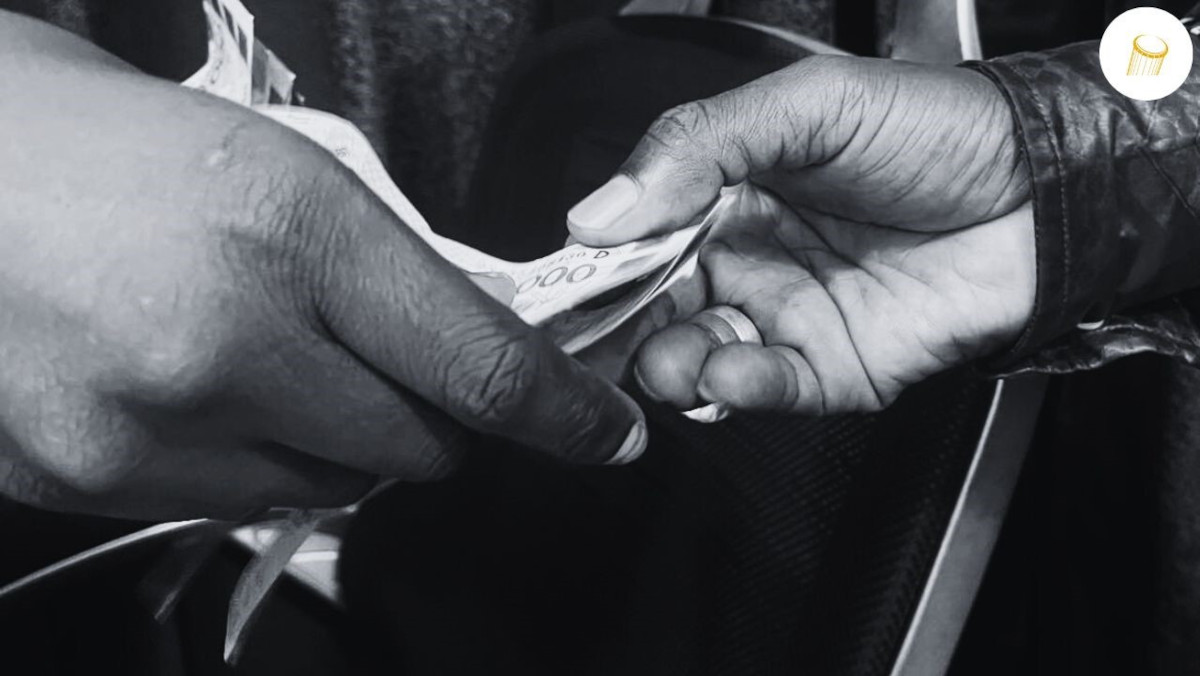
Deux personnes échangent des billets de Banque à Bamako, le 27 octobre 2023 📷 Studio Tamani/Fondation HirondelleMali's standing in Transparency International's 2025 Corruption Perception Index has experienced a setback. The West African nation now occupies the 136th position worldwide, marking a one-place decline from its previous 135th rank. This places Mali behind its regional allies, Niger and Burkina Faso, both members of the Alliance of Sahel States (AES) confederation.The Corruption Perception Index is a crucial tool designed to evaluate countries' performance in tackling corruption. For the 2025 assessment, a total of 182 nations were scrutinized. Mali achieved a score of 28 out of a possible 100, landing it at the 136th spot. This slight regression occurs despite various efforts by...
Tchad’s 2026 human rights landscape: political repression and social unrest intensify
Politics

Tchad’s 2026 human rights landscape: political repression and social unrest intensify

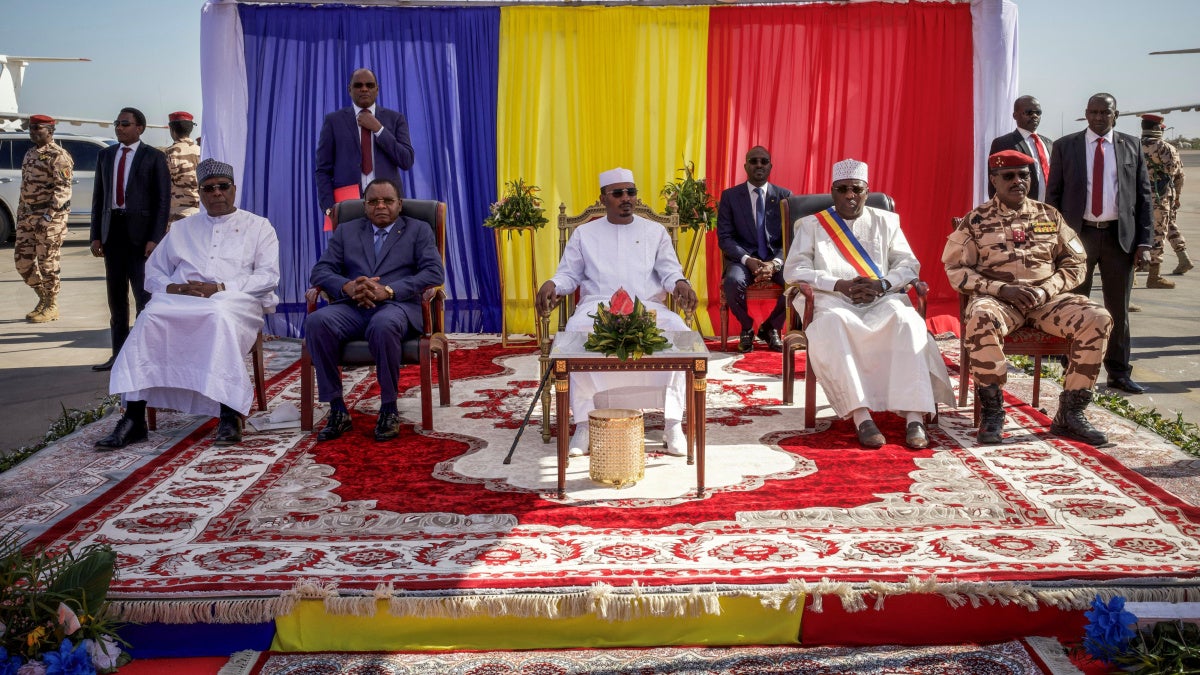
Key developments in Chad’s political arena The year 2025 marked a turning point for Chad under President Mahamat Idriss Déby, who secured his grip on power after the controversial 2024 presidential election. Opposition voices were systematically silenced, with constitutional amendments extending presidential terms from five to seven years and eliminating term limits entirely. This move effectively allows Déby to remain in office indefinitely, pending periodic elections every seven years. Opposition leader Succès Masra, who contested the 2024 election results, faced a harsh crackdown. He was arrested, convicted on questionable charges, and sentenced to 20 years in prison. His party members, activists, and journalists were also targeted with intimidation and arbitrary detentions. A controve...