Friday, October 2

Politics

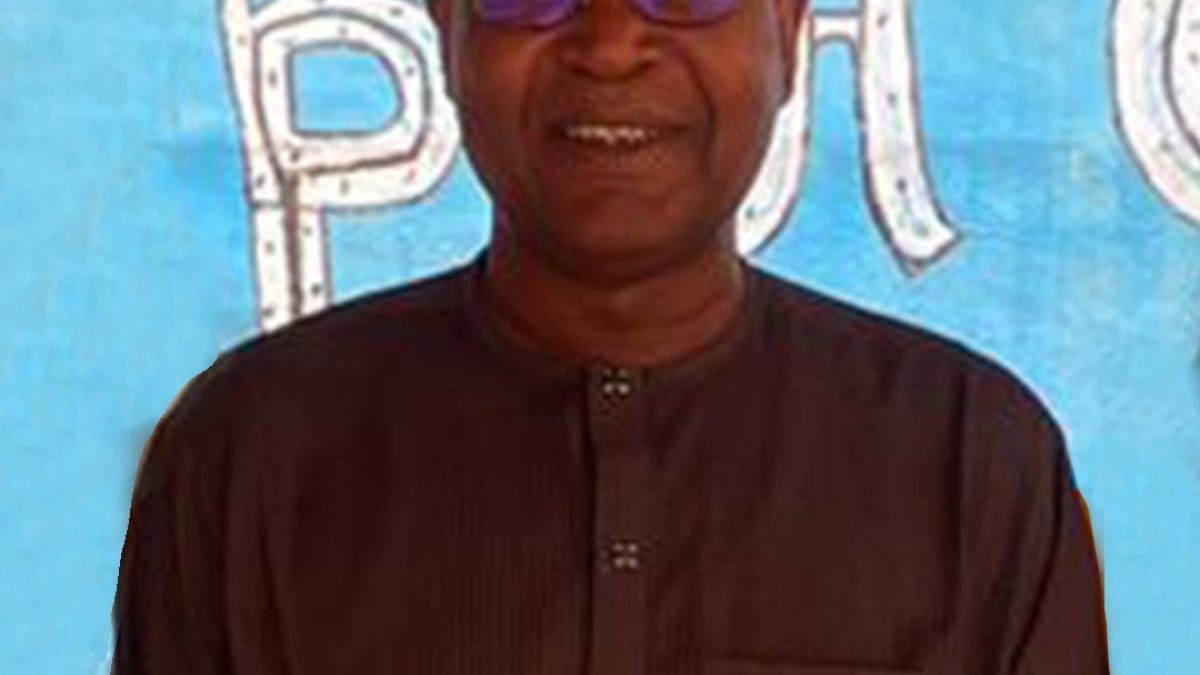
Arbitrary detention of human rights defender Moussa Tiangari in Niger
Politics

Arbitrary detention of human rights defender Moussa Tiangari in Niger

Urgent call for the release of activist Moussa Tiangari in Niger Human rights organizations are sounding the alarm over the arbitrary detention of Moussa Tiangari, a prominent civil society activist and defender of fundamental freedoms in Niger. The authorities in Niamey have held him for over six months without justification, raising serious concerns about due process and the misuse of anti-terrorism laws to silence dissent. Click to expand Image Unjust charges and detention without trial On December 3, 2024, a group of armed men claiming to be police officers forcibly entered Moussa Tiangari’s home in Niamey, seizing his personal devices and detaining him without a warrant. The activis...
CADHP83 : mettre un terme à la répression des défenseur·e·x·s des droits humains au Sahel
Politics

CADHP83 : mettre un terme à la répression des défenseur·e·x·s des droits humains au Sahel

Renforcer la protection des défenseur·e·x·s au moyen de lignes directrices diplomatiques 14 mars 2026 ISHR lance deux nouveaux outils interactifs visant à renforcer les initiatives diplomatiques en faveur des défenseur·e·x·s des droits humains : l'un s'adresse aux diplomates, l'autre aux défenseur·e·x·s. By Harouna Ousmane — Reporter
Mali protest against political party ban in Bamako
Politics

Mali protest against political party ban in Bamako

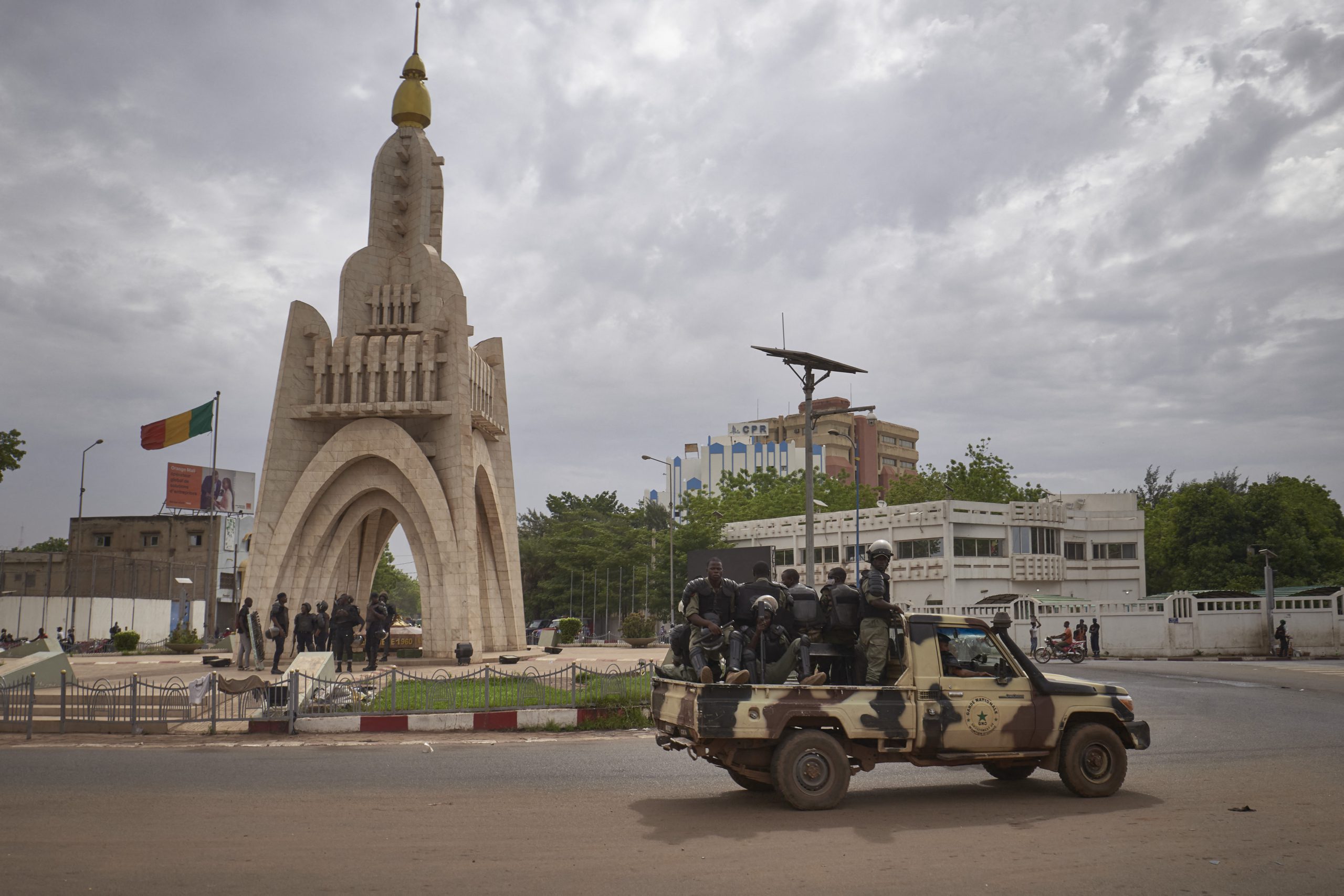
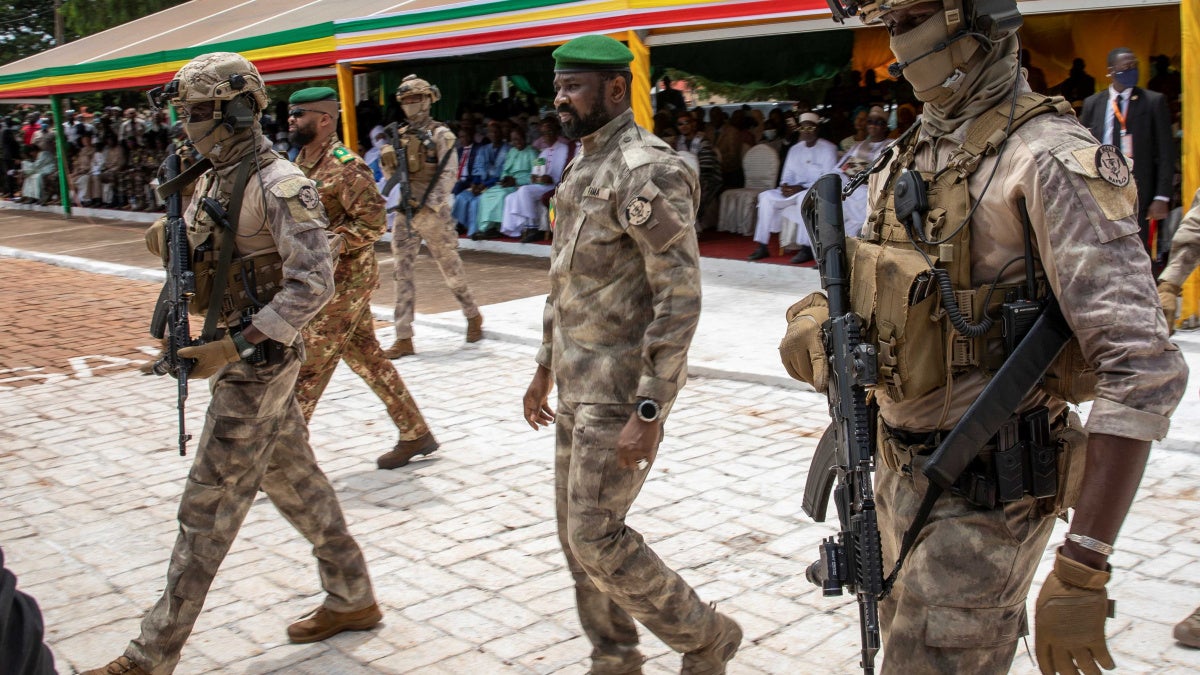
Mali protest against political party ban in Bamakobreaking news. Hundreds of Malians took to the streets of Bamako on May 3 to protest against what they see as a growing authoritarian shift under military rule. Demonstrators rallied to defend democracy and oppose the potential dissolution of political parties, an unprecedented show of public dissent in recent years.Chants of “long live democracy, down with dictatorship” echoed through Bamako’s Palais de la Culture on May 3, as hundreds gathered at the call of a coalition of political parties. This rare public mobilization reflects deepening concerns over an alleged authoritarian turn by the military-led government under General Assimi Goïta.Protesters marched with banners and flags, demanding free elections and the preservation of fundamen...
Future of democracy in Sahel states alliance
Politics

Future of democracy in Sahel states alliance

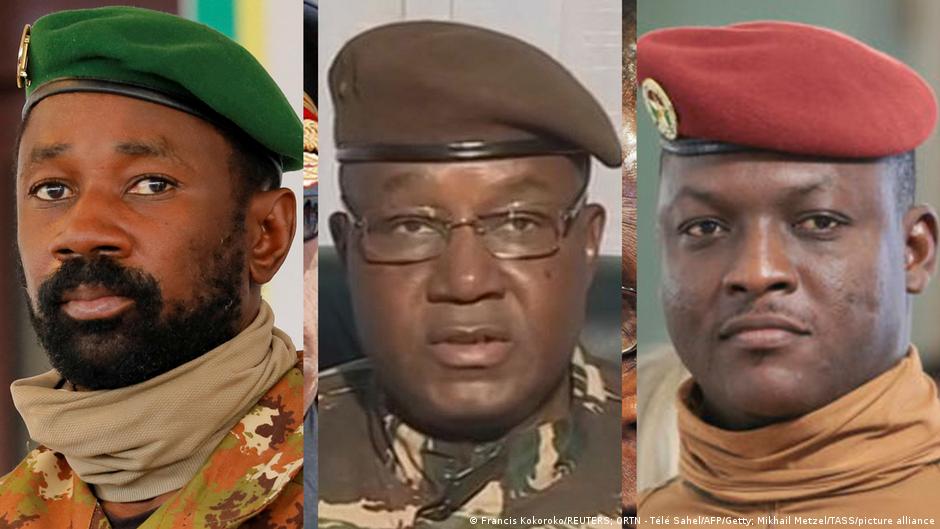
The Alliance of Sahel States (AES)—comprising Burkina Faso, Mali, and Niger—faces mounting scrutiny over the trajectory of democracy in the region. Led by military juntas that seized power between 2020 and 2023, these nations share a common struggle: combating terrorism and armed groups that have destabilized their territories for years. Spanning over 2.8 million square kilometers, the region’s security challenges have eroded trust in civilian governance, with some populations initially viewing military takeovers as a short-term solution to endemic instability. Yet as transitions drag on, citizens across the AES are increasingly questioning whether these juntas truly intend to restore democratic principles. The very notion of democracy is being challenged by military leaders, raising doub...
Mali: concerns rise over proposal to dismantle political parties
Politics

Mali: concerns rise over proposal to dismantle political parties

In response to the suggestion that all political parties in Mali be dissolved following discussions on revising the Charter of Political Parties, Ousmane Diallo, a Sahel researcher at Amnesty International’s regional office, issued a warning: “We are deeply troubled by the proposal to abolish political parties in Mali. This would represent a severe violation of the fundamental rights to freedom of association and expression. The transitional government must halt its intensifying crackdown on civic space and uphold the human rights of every citizen, including opposition members, activists, and critics.” “The proposed dissolution would contradict the 2023 Constitution, which was enacted by the current transitional authorities. This document specifically protects the existence of political ...
Politics

Crackdown on dissent in Burkina Faso intensifies

The Burkina Faso government has escalated its crackdown on critical voices by including the names of several prominent journalists and activists on a wanted list under the charge of "association with a terrorist enterprise". This move is widely seen as a deliberate strategy to suppress free speech and stifle opposition within the country. what’s happening in Burkina Faso? Recent actions by Burkina Faso authorities reveal a troubling trend: the systematic targeting of individuals who dare to question the government. By labeling critics as terrorist accomplices, authorities are not only silencing dissent but also instilling fear across media outlets and civil society. This tactic mirrors similar repressive measures observed in other regions, raising serious concerns about human rights and p...
Burkina Faso: escalating rights violations two years after military takeover
Politics

Burkina Faso: escalating rights violations two years after military takeover

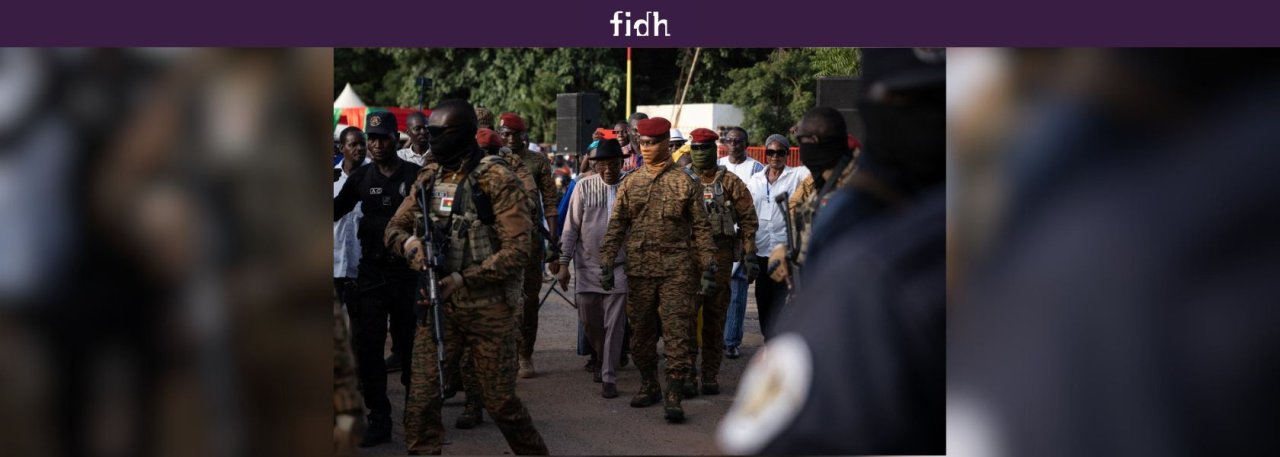
Two years after Burkina Faso’s military coup of September 30, 2022, the transitional government has entrenched a repressive system that systematically silences dissent and erodes fundamental freedoms. The International Federation for Human Rights (FIDH) warns of a dramatic surge in human rights abuses and calls for an immediate restoration of constitutional order. Systematic repression of critics and civil society Ouagadougou, Dakar, Paris, September 2024. The authorities installed by the coup have established a climate of fear targeting journalists, human rights defenders, and political opponents. Violence, arbitrary arrests, enforced disappearances, forced conscription, and threats against families have become routine. This repression is fueled by hate speech and incitement to violence ...
Coup d’etat thwarted in Benin sparks succession debate
Politics

Coup d’etat thwarted in Benin sparks succession debate

Recent arrests in Bénin have thrust the country into a political storm, with three high-profile figures accused of plotting a coup d'état. The alleged conspiracy, involving a commander of the Republican Guard, an ex-minister, and a prominent businessman, has intensified debates about the future of President Patrice Talon’s administration as his second term approaches its 2026 conclusion. key figures and allegations On Wednesday, the prosecutor of Bénin’s Court of Repression of Economic and Terrorism Offenses (CRIET) revealed the arrests of Djimon Dieudonné Tévoédjrè, Oswald Homéky, and Olivier Boko. These individuals, linked to Talon’s inner circle, are suspected of orchestrating a coup planned for September 27, 2024. According to prosecutors, accounts were allegedly opened in Côte d'Ivoi...
Niger: a year of escalating human rights suppression since the coup
Politics

Niger: a year of escalating human rights suppression since the coup

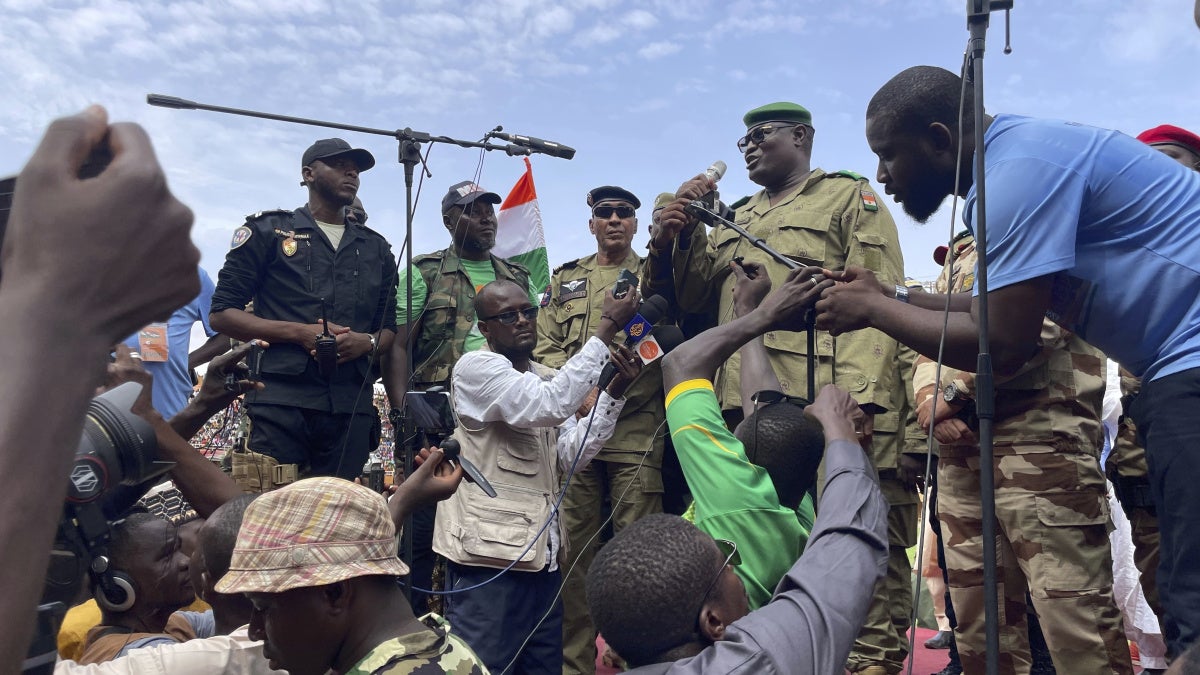
Click to expand Image (Nairobi) – One year following the military takeover, authorities in Niger have intensified their crackdown on opposition voices, independent media, and peaceful dissent, as reported today by Amnesty International, Human Rights Watch, and the International Federation for Human Rights (FIDH).The current regime has engaged in arbitrary arrests, targeting former President Mohamed Bazoum, at least 30 officials from the deposed government, close associates of the ousted leader, and several journalists. Despite vowing to combat corruption, the military authorities have simultaneously blocked oversight of their military expenditures. These organizations urge Nigerien authorities to immedi...
Press freedom in Niger faces severe threats amid journalist arrests
Politics

Press freedom in Niger faces severe threats amid journalist arrests

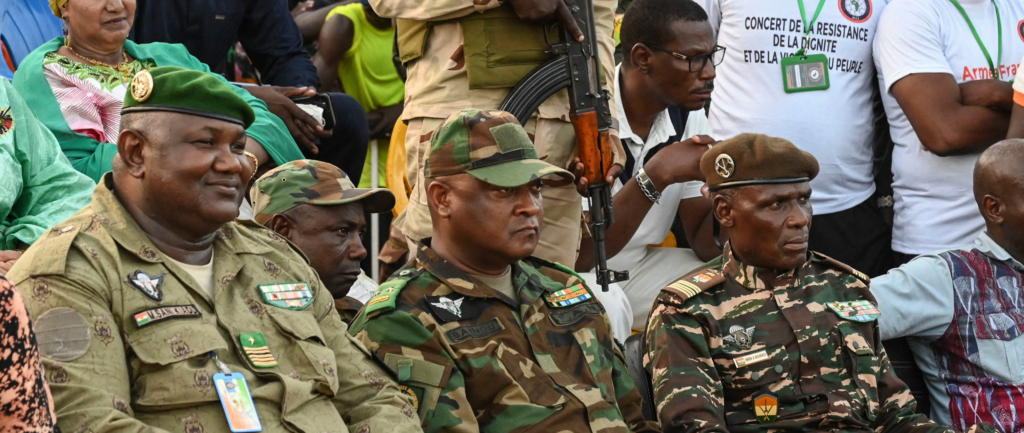
Press freedom in Niger is facing severe threats as transitional authorities intensify intimidation and arbitrary arrests of journalists covering the country's conflict and security issues, warns Amnesty International. Since the July 26, 2023 military takeover, where presidential guard commander Abdourahamane Tchiani ousted President Mohamed Bazoum and declared himself head of the National Council for the Safeguard of the Homeland (CNSP), journalists have faced increasing restrictions and self-censorship due to fear of reprisals. «The blatant disregard for press freedom and journalists’ rights comes at a critical time when citizens urgently need accurate, unbiased information about the conflict and the transitional authorities’ responses,» stated Samira Daoud, Regional Director of Amnesty...
Mali’s crackdown on civil society under military rule
Politics

Mali’s crackdown on civil society under military rule

Mali's escalating suppression of civil society organizations Click to expand Image The Mali government has intensified its crackdown on civil society, with the latest move being the dissolution of a prominent student association. Authorities accused the Association of Students and Pupils of Mali (AEEM) of fomenting violence and clashes in educational institutions. They also claimed that in 2017 and 2018, security forces arrested AEEM members found in possession of weapons, drugs, and unexplained large sums of money. This dissolution marks the fourth such action in under four months. Earlier bans include the Coordination of Movements, Associations and Supporters of Imam Mahmoud Dicko (CMAS...
Reforming health financing in Niger through stronger partner coordination
Politics

Reforming health financing in Niger through stronger partner coordination

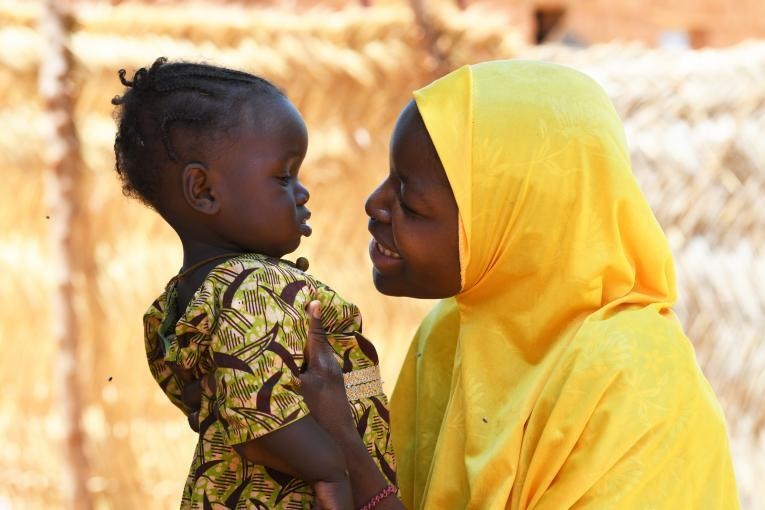
bridging gaps in health financing for universal coverage in Niger Nestled in West Africa, the Niger faces formidable challenges: recurring armed conflicts and prolonged droughts have strained its health system, pushing maternal and child mortality rates among the highest globally. In response, the Government of Niger has committed to achieving universal health coverage (UHC), building on lessons from past attempts to expand access to essential health services. In 2006, as health outcomes reached a critical low, the Government launched a bold initiative: free healthcare for women and children under five. This policy provided free reproductive health services, family planning, and a wide range of pediatric care. While the program showed early promise, its progress was derailed by chronic u...