Burkina Faso court strikes down gold streaming deal amid sovereignty push
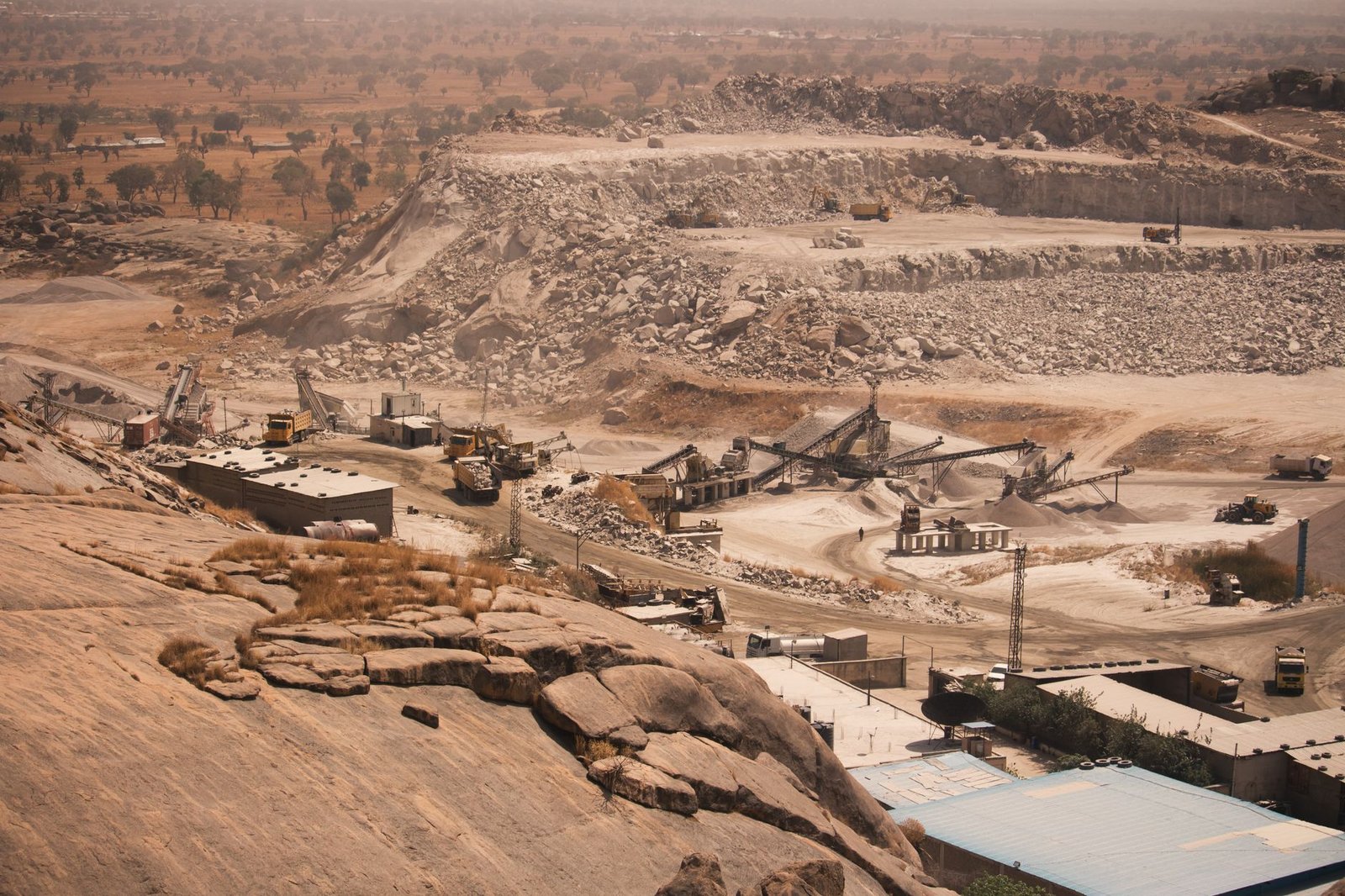
A landmark ruling by Burkina Faso’s judiciary has sent shockwaves through the global mining sector, nullifying a high-profile gold streaming agreement between Canadian firms Franco-Nevada and Sandstorm Gold Royalties and a domestic mining asset. The decision, far-reaching in its implications, casts doubt on the legal resilience of financial instruments widely deployed across Africa to fund gold production upfront.
Gold streaming operates on a straightforward premise: a financier injects capital into a mining operator in exchange for the right to purchase a fixed share of the mine’s output over its lifetime at a below-market rate. Franco-Nevada and Sandstorm rank among the most influential players in this space, with portfolios spanning multiple African jurisdictions. The Burkina Faso ruling has undermined a model long perceived as financially bulletproof by investors.
Judgment fuels debate on mining sovereignty
The ruling aligns with a broader policy shift initiated after Burkina Faso’s transitional leadership took office. As the continent’s third-largest gold producer, the country has embarked on an overhaul of its extractive framework, aiming to secure a larger share of mining profits. Recent measures include revoked permits, nationalized assets, and a new mining code designed to strengthen the state’s ownership stake.
The streaming contract’s annulment reinforces this sovereignty-centric agenda. Judges, citing statutory violations, determined that the original agreement’s terms did not comply with national law. For Burkina Faso’s authorities, the ruling underscores a strict interpretation of control over natural resources. For mining giants listed in Toronto or New York, it introduces legal ambiguity into agreements that may have been in place for over a decade.
Franco-Nevada and Sandstorm confront an untested precedent
Franco-Nevada, a multi-billion-dollar titan built on royalty and streaming acquisitions worldwide, and Sandstorm, a mid-tier player with a strong West African footprint, now face the task of assessing the financial and operational fallout of the Burkina Faso decision. The judgment could jeopardize one of their key assets in the region, forcing a reassessment of risk models and long-term revenue projections.
The consequences extend beyond the two companies. Lenders, specialized funds, and export credit insurers typically factor political risk into their assessments—but rarely consider the possibility of a contract being voided by local courts. The Burkina Faso case may drive up capital costs for West African mining projects, especially as gold prices hover near historic highs.
A wake-up call for Africa’s gold sector
Neighboring nations such as Mali, Niger, and Guinea have also signaled their intent to revisit mining agreements they deem unfavorable. Central Sahel countries, in particular, are pushing for renegotiations of contracts perceived as skewed in favor of foreign investors. The Burkina Faso ruling provides these governments with a legal precedent to justify similar actions—but its ultimate impact hinges on potential appeals and arbitration battles.
Streaming contracts often include international arbitration clauses, typically under the auspices of the International Centre for Settlement of Investment Disputes (ICSID). While Franco-Nevada and Sandstorm retain avenues to challenge the annulment, Burkina Faso’s recent diplomatic posture suggests a prolonged standoff. The country has shown little willingness to defer to external jurisdictions in disputes involving its natural resources.
For policymakers and industry leaders across Africa, this case serves as a critical lesson. It highlights the growing tension between the complexity of Western financial instruments and the political resolve of African states to renegotiate their terms of engagement in the global commodities market. The repercussions of this ruling are expected to ripple far beyond Burkina Faso’s borders.