Bénin’s ombudsman role transformed: Razacki Amouda Issifou takes office
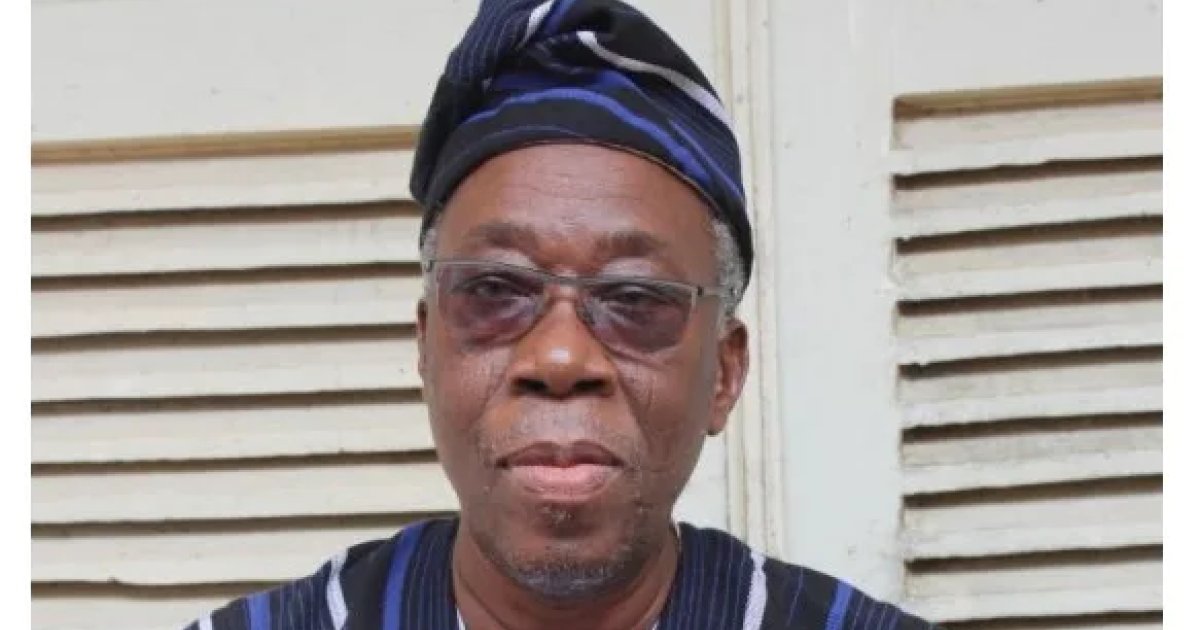
Lawmakers in Bénin have successfully passed a significant reform, fundamentally altering how the Republic’s Ombudsman is appointed. Under this new legislative framework, the individual holding the position of first vice-president of the Economic and Social Council (CES) will automatically assume the role of Ombudsman. This crucial function is currently held by Razacki Amouda Issifou.
Razacki Amouda Issifou has officially become Bénin’s new Republic Ombudsman. His assumption of this vital post follows the legislative changes to the institution’s governing law, which were enacted on Wednesday, June 24, 2026.
The reform stipulates that the duties of the Republic Ombudsman will now be automatically carried out by the first vice-president of the Economic and Social Council (CES). This pivotal change effectively discontinues the previous system of direct appointment, enhancing the independence and streamlining the process for this key governance Africa role.
As the current first vice-president of the CES, Razacki Amouda Issifou consequently steps into this esteemed office. He takes over from Pascal Essou, who had held the position since 2021. This significant institutional development received formal approval from parliamentary deputies during a plenary session at the National Assembly, marking another step in Bénin’s ongoing efforts to reform the operational structure of its public institutions.
A jurist by training, Razacki Amouda Issifou brings a wealth of public service experience to his new role. His distinguished career includes serving as a former vice-president of the Constitutional Court, a deputy in the National Assembly, president of the National Assembly’s Law Commission, mayor, and secretary-general of the inaugural National Autonomous Electoral Commission (CENA) back in 1996. His deep understanding of African politics and governance will be invaluable.
The core mission of the Republic Ombudsman is to mediate and facilitate the resolution of disputes arising between citizens and the public administration. This crucial independent African journalism role primarily focuses on finding amicable solutions when individuals believe they have been unfairly treated in their interactions with state services, ensuring justice and accountability within society Africa.