Benin-Rwanda ties tested by wadagni’s gisozi visit: fallout and future paths
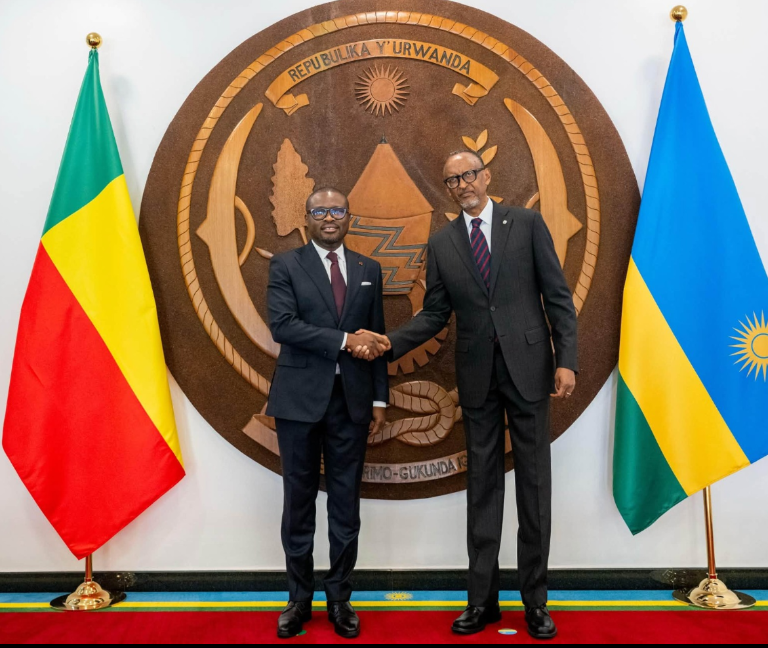
KIGALI — Benin’s President Romuald Wadagni kicked off a two-day official visit to Rwanda on Wednesday, September 16, 2026, marking his first diplomatic trip to Kigali since taking office in May. The journey quickly ignited public discourse—not just for its high-level talks with Rwandan President Paul Kagame, but especially for Wadagni’s symbolic stop at the Kigali Genocide Memorial in Gisozi.
Public reaction heats up after gisozi tribute
Wadagni’s solemn homage at Gisozi—where over 250,000 victims of the 1994 genocide against the Tutsi are buried—was met with both praise and scrutiny across African political circles. While many lauded the gesture as a meaningful acknowledgment of Rwanda’s painful history, others questioned whether it signaled genuine solidarity or strategic positioning ahead of deeper bilateral deals.
The memorial visit, now a customary protocol for foreign dignitaries in Rwanda, has taken on added weight this time due to Wadagni’s recent rise to power. Observers note that his early outreach to Kigali suggests Benin is actively seeking new alliances beyond traditional partners—a move that could reshape West-Central African diplomacy.
Kagame-Wadagni summit sets stage for economic alignment
Following his arrival, Wadagni was formally welcomed at Urugwiro Village, the Rwandan presidential residence, by President Kagame. Their closed-door talks centered on expanding cooperation in digital governance, public service modernization, urban planning, agriculture, and regional security.
Rwanda’s presence at Wadagni’s May inauguration—represented by Prime Minister Justin Nsengiyumva—had already hinted at Kigali’s interest in deepening ties with Cotonou. Now, with both leaders pushing ambitious national transformation agendas, the groundwork appears ripe for concrete partnerships in tech-driven development and infrastructure.
Memory as a diplomatic tool—or a moral imperative?
The Gisozi stop wasn’t merely ceremonial. In Rwanda, genocide remembrance is woven into state identity through annual commemorations known as Kwibuka (“to remember”). The memorial serves not only as a burial site but as an educational hub housing survivor testimonies, archival records, and exhibits dedicated to child victims.
Critics argue that while such visits humanize diplomacy, they risk becoming performative without follow-through on shared values like justice, inclusion, and anti-discrimination. Supporters, however, see Wadagni’s gesture as a necessary bridge—linking historical consciousness with forward-looking collaboration.
What comes next for Benin-Rwanda relations?
As the second day of Wadagni’s visit unfolds, attention turns to tangible outcomes: potential memoranda of understanding, private sector engagements, or joint initiatives in digital innovation. Both nations emphasize self-reliance and institutional reform, suggesting fertile ground for mutual learning.
Yet the true test lies ahead. Will this moment catalyze sustained engagement—or fade into another footnote of symbolic diplomacy? With African citizens increasingly demanding accountability and substance from their leaders, the Cotonou-Kigali axis now faces heightened expectations. The Gisozi tribute may have opened the door, but what follows will define its legacy.