Bénin intensifies efforts against illegal skin lightening products
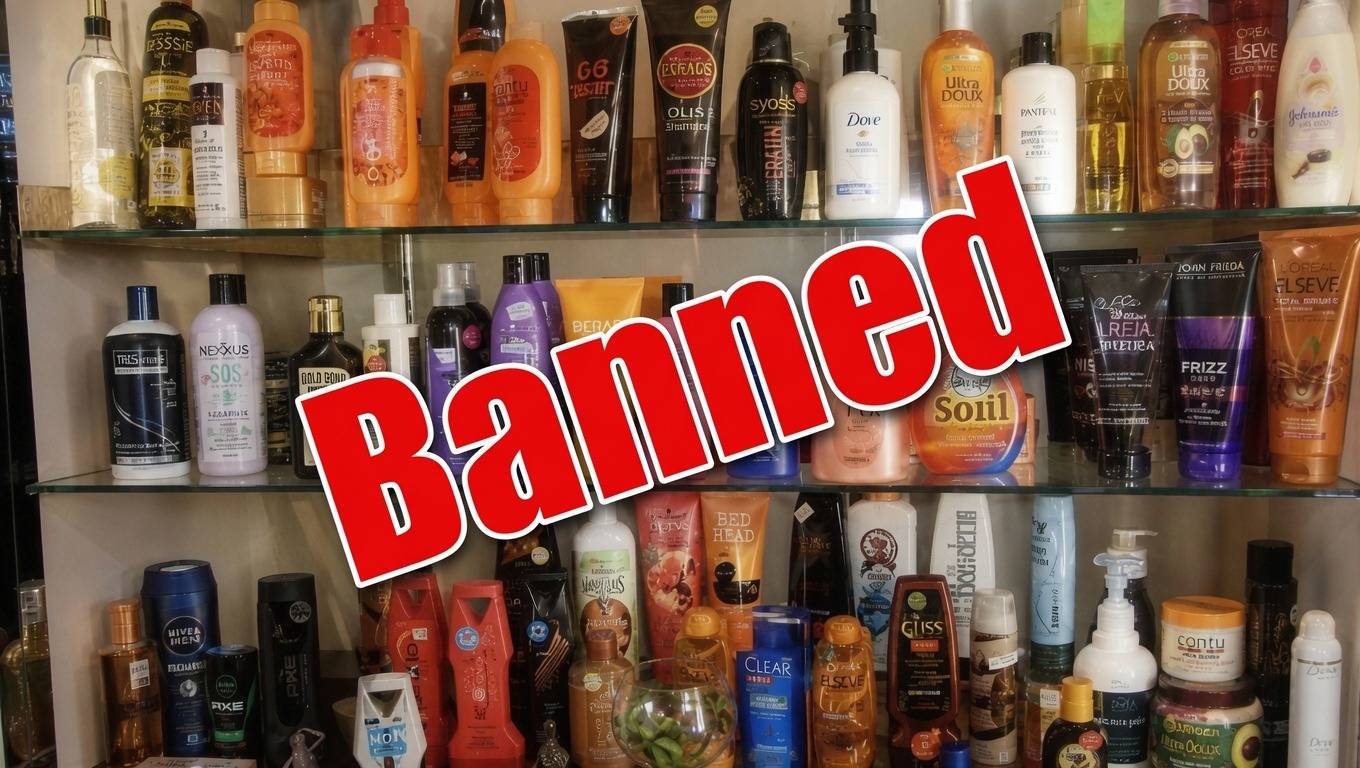
The Béninese government has initiated a comprehensive crackdown on the market for depigmenting products. Effective May 5, numerous creams, lotions, and other substances designed to lighten skin tone are officially prohibited from sale across the entire national territory. This robust measure targets a pervasive custom whose escalating health consequences are increasingly alarming authorities.
Halting the ‘tchatcho’ phenomenon
In Bénin, the use of skin lightening agents, colloquially known as ‘tchatcho’, affects a significant portion of the population, transcending social strata. These products were readily available, from the bustling stalls of Dantokpa market to online boutiques on social media platforms, until recently.
With this new regulatory framework, authorities aim to curb this proliferation. The Ministry of Health, in collaboration with pharmaceutical regulatory bodies, has compiled a definitive list of products deemed hazardous. Enhanced inspections are now mandated, targeting both wholesale distributors and smaller retailers.
The objective is unequivocal: to sever the supply chains of a highly profitable trade, which is frequently sustained by contraband and unregulated artisanal preparations whose composition remains entirely unchecked.
Mounting health risks
The State’s decision to adopt a more stringent approach stems from numerous alerts issued over several years by healthcare professionals. Dermatologists, in particular, have consistently warned against the devastating effects of artificial depigmentation.
The prohibited products often contain potentially dangerous substances such as hydroquinone, potent corticosteroids, or mercury. When used repeatedly, these components can lead to significant skin fragility and result in complications that are sometimes irreversible.
In the short term, users face risks including burns, deep stretch marks, extreme skin thinning, impaired wound healing, and recurrent cutaneous infections.
However, the repercussions extend beyond the epidermis. Upon absorption into the body, these substances can contribute to the onset of severe illnesses such as chronic renal insufficiency, arterial hypertension, certain metabolic disorders, and an elevated risk of skin cancers.
A challenge beyond mere enforcement
While this prohibition has been lauded by the medical community, its implementation is anticipated to be complex. Authorities will need to contend with porous borders, the circulation of smuggled goods, and the ingenuity of vendors who frequently alter packaging to evade controls.
Beyond punitive measures, the true challenge also lies in cultural aspects. The allure of lighter skin tones, fueled by specific beauty standards and persistent societal pressures, continues to drive demand.
To achieve lasting effects, this policy must therefore be complemented by extensive public awareness campaigns designed to promote natural complexions and dismantle stereotypes associated with skin color.
By embarking on this endeavor, Bénin marks a significant stride in the protection of public health. The question now remains whether the authorities’ resolve and evolving societal attitudes will succeed in permanently curtailing the ‘tchatcho’ phenomenon.