World Vision Tchad’s Bold Strategy to Empower 3.29 Million Children by 2030
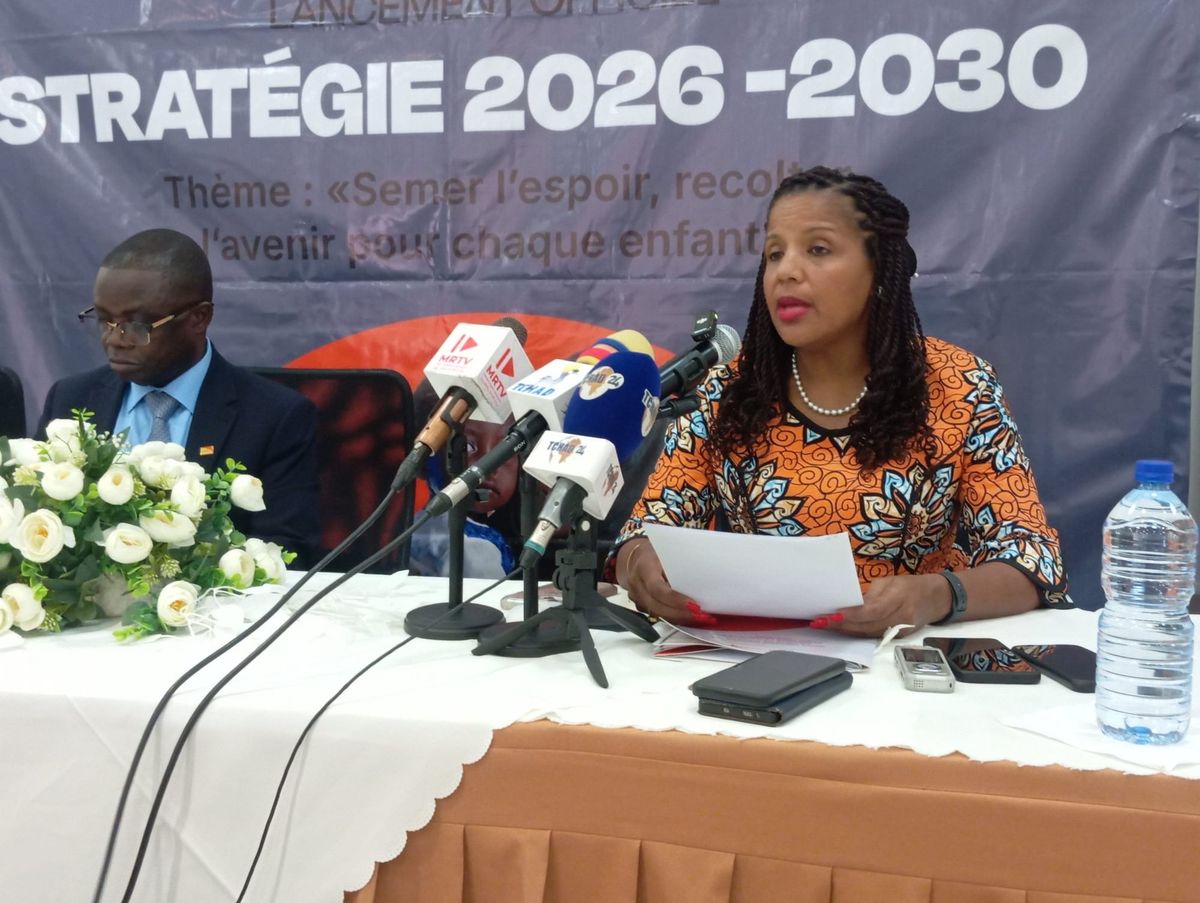
N’Djamena, Tchad — World Vision Tchad has unveiled its ambitious 2026-2030 national strategy, designed to uplift the lives of 3.29 million children across the country. The launch, held in the presence of journalists, technical partners, financial backers, and national authorities, marks a pivotal step toward addressing the most pressing challenges faced by Tchad’s youngest and most vulnerable populations.
An Integrated Approach to Child Welfare and Sustainable Development
At the heart of this strategy lies a three-pillar framework: humanitarian aid, sustainable development, and peacebuilding. World Vision Tchad’s leadership stresses that these elements cannot operate in isolation. Instead, they must work in harmony to create lasting change for children in the most fragile communities.
During the launch event at a N’Djamena hotel, Carla Dominique Denizard, Regional Director for World Vision West Africa, described the strategy as “bold, innovative, and deeply transformative.” She highlighted its alignment with global and continental agendas, including the African Union’s Agenda 2063 and the United Nations Sustainable Development Goals (SDGs 1, 2, 3, 4, 5, 6, 13, and 16). Denizard emphasized that the strategy is not just about survival—it’s about enabling children to thrive in environments where safety, education, and health care are accessible to all.
Key Priorities: Nutrition, Education, and Climate Resilience
The new five-year roadmap prioritizes four critical areas:
- Nutrition and Health: Strengthening maternal and child health services, with a focus on combating malnutrition, which affects nearly 42% of Tchad’s population living below the poverty line.
- Education: Expanding the Unlock Literacy program to improve early reading skills, ensuring children build strong foundations for lifelong learning.
- Child Protection: Implementing comprehensive measures to safeguard children from violence, exploitation, and abuse in all forms.
- Climate Resilience: Supporting communities in adapting to environmental challenges, including droughts, floods, and desertification, which disproportionately impact vulnerable families.
Édouard Ngoy Wangoy, National Director of World Vision Tchad, described the strategy as a “historic milestone” for the organization and the future of Tchad’s children. He noted that the plan represents a 20% increase in ambition compared to previous cycles, reflecting the urgency of the situation. “Our goal is clear: by 2030, we aim to reach 3.29 million children, including 3.09 million from the most vulnerable backgrounds,” he stated. “We are not just aiming for survival—we are fighting for every child to flourish.”
A Call for Collective Action
The launch concluded with a powerful appeal to all stakeholders. World Vision Tchad urged public authorities, development partners, civil society organizations, religious and community leaders, and media outlets to collaborate closely. “Transforming challenges into sustainable opportunities requires unity,” the leadership emphasized. “Together, we can build a Tchad where every child is protected, nourished, educated, and empowered to reach their full potential.”
The strategy’s success hinges on integrating humanitarian efforts with long-term development initiatives, ensuring that no child is left behind in Tchad’s journey toward progress and prosperity.