Why criticizing Ousmane Sonko is becoming risky in Senegal
why criticizing Ousmane Sonko is becoming risky in Senegal
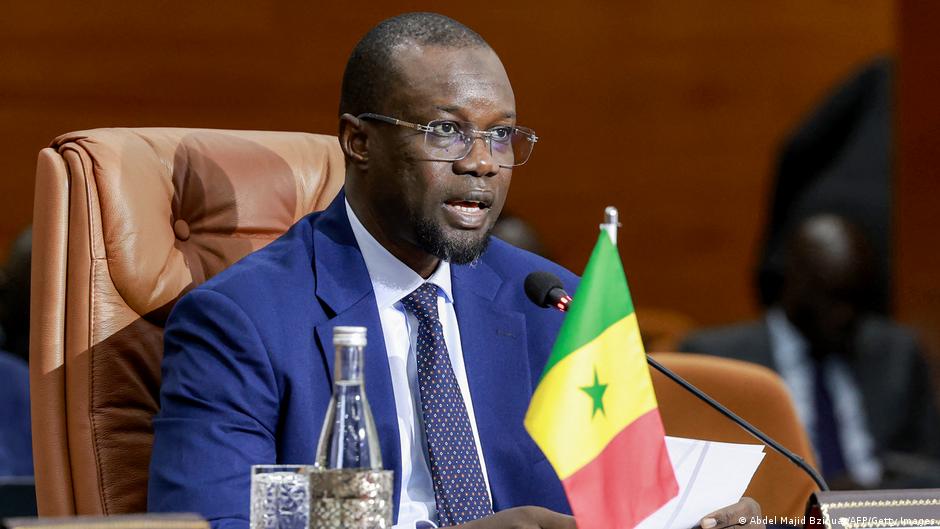
The political climate in Dakar has grown tense since Ousmane Sonko assumed leadership of the National Assembly, creating friction with the presidency of Bassirou Diomaye Faye. Civil society leaders and journalists have raised concerns about the growing culture of intimidation in Senegal, particularly targeting those who oppose Sonko. Critics on social media platforms face relentless smear campaigns, often orchestrated by Pastef party activists, the ruling party. This has led many to self-censor out of fear of digital or physical retaliation.
Even before his current role, Sonko’s rhetoric has often been confrontational. Shortly after taking office as Prime Minister in early April 2024, he warned media outlets, stating:
“We will no longer allow media outlets to publish unverified claims under the guise of press freedom, without credible sources.”
undermining judicial independence
Sonko has also frequently challenged the integrity of Senegal’s judiciary. In November 2025, during a meeting, he accused certain judges of obstructing financial investigations, perpetuating what he describes as the “system” he has long opposed. These remarks sparked strong reactions from the legal community.
setbacks for women’s rights
Women’s rights advocates have expressed alarm over recent policy reversals. Ossama Monique Sagna, a prominent Senegalese feminist activist, points to the weak enforcement of the 2010 gender parity law as evidence of this decline. She notes:
“Not only has representation in government dropped compared to the final cabinet of Macky Sall’s administration, but the overall commitment to gender equality appears to be weakening.”
While Sall’s last government included seven women ministers, Sonko’s administration, before its recent reshuffle, had only four—roughly 13% of cabinet positions. This has fueled public criticism and disappointment.
Beyond representation, structural issues persist. Sagna highlights:
“Key feminist demands remain unchanged. The Family Code reform, which still contains discriminatory provisions, and the full implementation of the Maputo Protocol—especially regarding reproductive rights and protection from gender-based violence—have seen little progress. The government’s response remains inadequate, particularly in addressing rising femicides. In 2025 alone, Senegal recorded around 18 feminicides.”
The absence of decisive action from authorities has left many women’s rights defenders frustrated, as the challenges they face continue to mount without meaningful policy change.