Us Morocco relations: a historic alliance under scrutiny
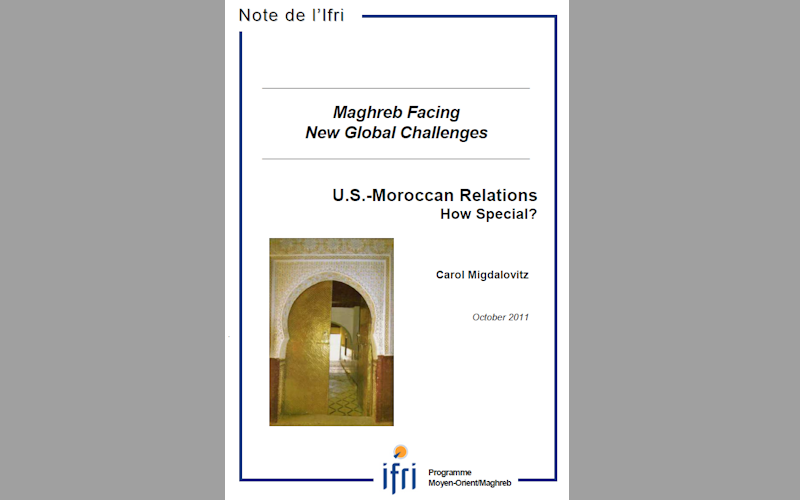
Often hailed as a « special relationship, » the decades-long bond between Washington and Rabat stands as one of America’s most enduring and distinctive diplomatic partnerships. Rooted in deep historical ties yet continuously reshaped by pragmatic Cold War adjustments, this bilateral alliance reflects a delicate balance of mutual interests and shifting geopolitical realities.
The foundations of this relationship were laid long before modern diplomacy took shape. On June 23, 1786, Morocco made history by becoming the first nation to formally recognize the independence of the United States, signing a landmark Treaty of Peace and Friendship that remains in force today. While Washington initially sought Rabat’s support to safeguard its merchant fleets from Mediterranean piracy, this agreement evolved into more than just a strategic necessity—it became the cornerstone of a relationship later described as « special. » Beneath the polished diplomatic language, however, lies a far more intricate narrative of power dynamics, strategic imperatives, and evolving priorities.
World War II: a pivotal moment
The alliance between the two nations took a decisive turn during the global conflict of the 1940s. In 1942, Operation Torch marked a turning point when Allied forces, led by General Dwight D. Eisenhower, executed a massive amphibious landing along Morocco’s coastline, deploying over 35,000 American troops. This military engagement was more than a tactical maneuver—it was a geopolitical watershed.
For Sultan Mohammed V, the moment carried immense symbolic weight. During the 1943 Casablanca Conference, President Franklin D. Roosevelt reportedly pledged to support Morocco’s restoration of full sovereignty in the postwar era. Though this promise fueled long-term goodwill among Moroccans, it also sparked immediate friction with French leadership, particularly General de Gaulle, who viewed American influence in North Africa with deep suspicion.
Cold War tensions: bases, sovereignty, and compromise
The dawn of independence for Morocco in 1956 brought new challenges. As Cold War tensions escalated, Washington identified the country as a critical strategic asset. The U.S. established air bases in Morocco under the Strategic Air Command (SAC), positioning nuclear-capable aircraft to counter Soviet influence in the region.
Yet, Morocco’s post-colonial leadership under King Mohammed V prioritized national sovereignty above all. The demand for the withdrawal of foreign troops clashed sharply with American strategic interests. By 1963, after intense negotiations and mutual concessions, U.S. forces had fully withdrawn from Moroccan soil—fulfilling Rabat’s core demand and redefining the parameters of their partnership.
Regional stability and political maneuvering
Preserving stability in Morocco became a cornerstone of U.S. foreign policy in North Africa. The monarchy’s resilience was tested in 1971 and 1972, when two failed coup attempts threatened the rule of King Hassan II. Washington reacted with measured concern, wary of potential instability that could empower radical factions. Although King Hassan briefly suspected American involvement—pointing to the use of U.S.-supplied fighter jets by the conspirators—the alliance endured, strengthened by shared security objectives.
Over the years, Morocco honed its diplomatic acumen, leveraging its strategic position to secure enhanced cooperation. From military assistance in the Western Sahara conflict to collaborative development initiatives through the Peace Corps, the relationship evolved into a nuanced exchange of security guarantees and soft power influence.
Confronting modern challenges
Today, as the political landscape of the Middle East and North Africa continues to shift—amid the lingering effects of the Arab Spring and rising regional tensions—the future of the U.S.-Morocco alliance is once again under review. Washington faces a delicate balancing act: sustaining a historic partnership while aligning with evolving democratic aspirations across the region.
The decisions made in the coming years will determine whether this decades-old alliance remains a pillar of stability in North Africa or adapts into a more transactional partnership. One thing remains clear: the depth of this relationship, forged in moments of war and diplomacy, will continue to shape the geopolitical contours of the Maghreb and beyond.