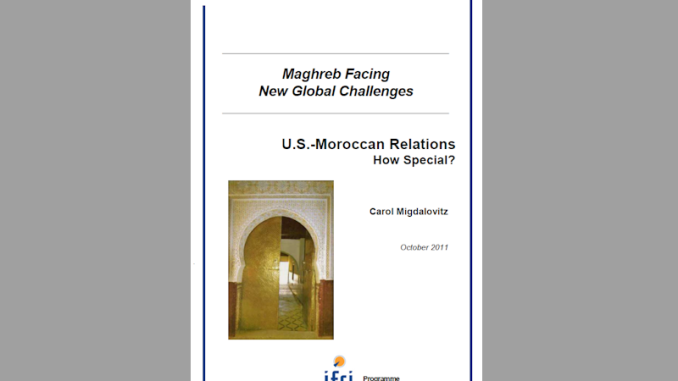
Frequently described as a ‘special relationship’, the enduring partnership between the United States and Morocco stands as one of the oldest and most distinctive in American diplomacy. This bilateral bond, forged through historical foundations and pragmatic adjustments during the Cold War, reflects a complex trajectory shaped by a relentless pursuit of equilibrium.
On June 23, 1786, Morocco etched its name in history by becoming the first nation to formally recognize the independence of the United States, formalizing this recognition through a Treaty of Peace and Friendship. This landmark agreement, driven by Washington’s need to safeguard its merchant fleet from Mediterranean piracy, remains in effect today and serves as the cornerstone of a relationship both capitals proudly label as ‘special’. Beneath the diplomatic rhetoric, however, lies a more intricate alliance molded by strategic imperatives and geopolitical shifts.
World War II: a defining moment
The global conflict of the mid-20th century cemented the bond between the two nations. In 1942, the Operation Torch landings marked a turning point, with 35,000 American troops disembarking on Moroccan shores under General Dwight D. Eisenhower’s command.
The significance extended beyond military strategy. During the Casablanca Conference in 1943, President Franklin D. Roosevelt reportedly pledged support to Sultan Mohammed V for the restoration of Morocco’s sovereignty post-war—a promise that bolstered American prestige among Moroccans, much to the dismay of General de Gaulle.
The Cold War: bases, negotiations, and divergence
Following Morocco’s independence in 1956, relations evolved to address Cold War realities. Washington viewed Morocco as an indispensable strategic outpost, establishing air bases under the Strategic Air Command (SAC) capable of projecting nuclear force toward the Soviet bloc.
Yet, Morocco’s drive for sovereignty soon clashed with American interests. While King Mohammed V prioritized the removal of foreign forces, U.S. strategists feared Morocco might align with the Non-Aligned Movement. This tension culminated in 1963 with the complete withdrawal of American troops from Moroccan soil, in line with prior commitments.
Regional stability and political maneuvering
The stability of Morocco’s regime has long been a key U.S. concern. During the 1971 and 1972 coup attempts against King Hassan II, Washington reacted with unease, apprehensive about losing a moderate ally in an unstable region. Although fleeting suspicions arose—fueled by the use of American fighter jets by the conspirators—this critical alliance endured.
Over time, Morocco honed its ability to navigate the intricate U.S. political landscape, converting its security requirements into a strengthened collaboration. From military aid in policing the Western Sahara to Peace Corps development initiatives, the relationship matured into a mutually beneficial form of ‘soft power’.
Navigating modern challenges
In today’s shifting regional climate, post-Arab Spring, the future of this historic alliance is once again being questioned. The United States faces the dual challenge of preserving a longstanding strategic partnership while responding to the political aspirations of local populations.
As regional dynamics evolve, the manner in which Washington balances these priorities will determine the trajectory of this enduring bond. The decisions made today will redefine what it means to maintain a ‘special relationship’ in an ever-changing geopolitical landscape.