Understanding Russia’s africa corps replacing Wagner in Mali
The dust has barely settled on the shifting sands of power in the Sahel when a new military player emerges on the scene: Africa Corps, Moscow’s latest paramilitary force now shaping events in Mali and beyond. This shadowy organization, which has quietly taken over some of the most strategic positions held by its predecessor, Wagner, is proving to be a resilient tool for Kremlin influence across Africa.
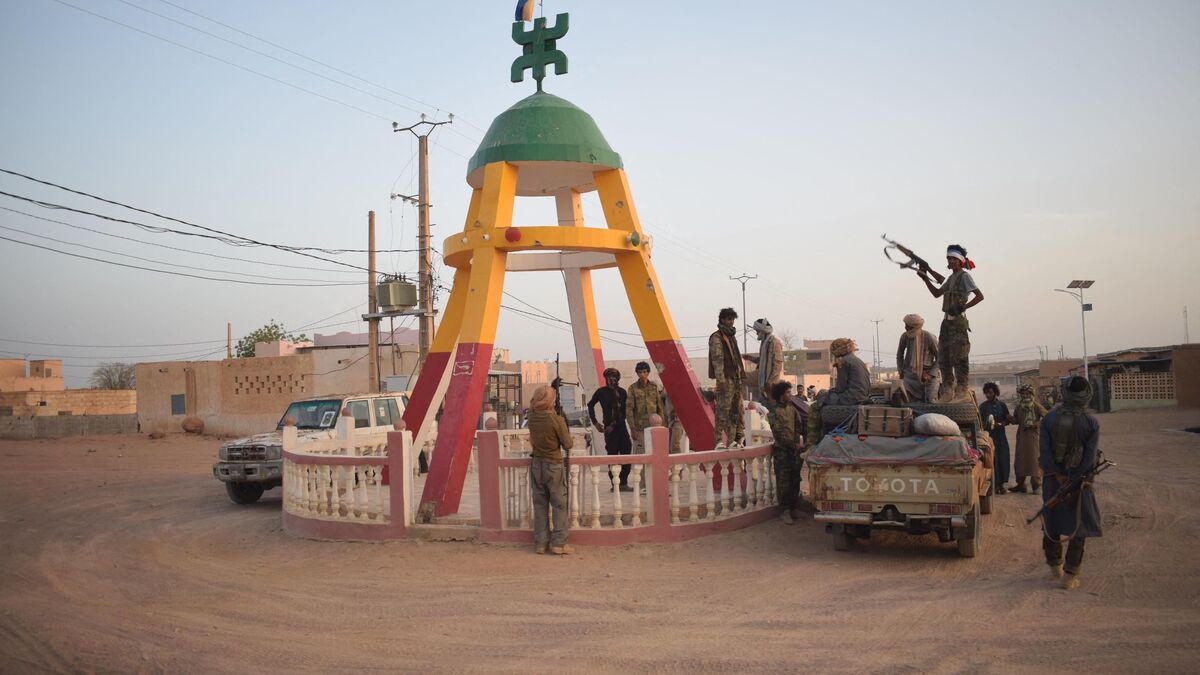
In a dramatic turn of events over the past weekend, rebels allied with Tuareg separatists launched coordinated attacks targeting key military sites under the control of Mali’s ruling junta. Among the fallout was the loss of Kidal, a critical stronghold that had been firmly held by Africa Corps for years. After intense clashes and tense negotiations, the Russian-backed force withdrew, marking a significant shift in the balance of power in the region.
The withdrawal from Kidal does not signal the end of Africa Corps’ operations in the Sahel. Far from it. The group remains deeply embedded in Mali’s security landscape, where it continues to provide military support to the junta in Bamako. This strategic repositioning reflects Moscow’s broader ambition to consolidate its presence in West Africa, particularly as traditional Western allies reduce their engagement in the region.
Born from the ashes of Wagner’s decline, Africa Corps was officially established in late 2023. Its creation was first hinted at by military blogger Deux Majors on Telegram, who cited statements from Igor Korotchenko, a former Russian colonel and Kremlin-aligned journalist. The organization operates under the direct supervision of Younous-bek Evkourov, Russia’s deputy defense minister, signaling a more centralized and controlled approach compared to Wagner’s decentralized structure.
With the deaths of Wagner founders Evgueni Prigojine and Dmitri Outkine in a suspicious plane crash in August 2023, Africa Corps quickly positioned itself as Moscow’s preferred military instrument in Africa. Unlike Wagner, which was often accused of human rights abuses and violent repression, Africa Corps presents itself as a more disciplined and state-aligned force. Its stated mission is clear: to conduct large-scale military operations across Africa, helping allied governments break free from neocolonial dependence, expel Western influence, and secure full sovereignty.
The naming of Africa Corps is no accident. It draws direct inspiration from the Afrikakorps, the Nazi-era German expeditionary force that operated in North Africa during World War II. The choice of name is a deliberate historical nod, reinforcing the organization’s image as a powerful, ideologically driven military entity.
Since its inception, Africa Corps has expanded its footprint across the continent. From the Burkina Faso, through Libya, Sudan, Central African Republic, and into Niger, the group has steadily woven itself into the fabric of regional security. In Mali, where Wagner’s influence waned, Africa Corps now deploys hundreds—possibly thousands—of fighters. Many former Wagner commanders and their units have reportedly joined its ranks, further consolidating Moscow’s military footprint.
The group’s role in Mali goes beyond combat. Africa Corps provides critical logistical and operational support to the junta in Bamako, helping it resist both internal rebellions and external pressures. This includes counterinsurgency operations against Tuareg rebels and jihadist groups, as well as broader efforts to stabilize the government. For Moscow, this is not just about military alignment—it’s about securing access to key resources, including mineral deposits, and exerting influence over critical migration routes.
Despite its more restrained image, Africa Corps has not escaped international scrutiny. In 2024, the United Kingdom imposed sanctions on the group, accusing it of widespread human rights violations across Africa and exploiting natural resources for profit. These allegations highlight the dual nature of Africa Corps: a state-backed military force operating with plausible deniability, yet still subject to global condemnation.
As Africa Corps continues to expand its operations, its presence in Mali and the Sahel remains a geopolitical flashpoint. The withdrawal from Kidal may be a tactical retreat, but it is also a reminder of the group’s adaptability and resilience. For the Kremlin, Africa Corps is more than a mercenary force—it is a key instrument of soft and hard power, designed to project Russian influence deep into the heart of Africa, long after Wagner’s controversial legacy fades into history.