Russia’s Africa corps: Moscow’s shadowy force replacing Wagner in Sahel
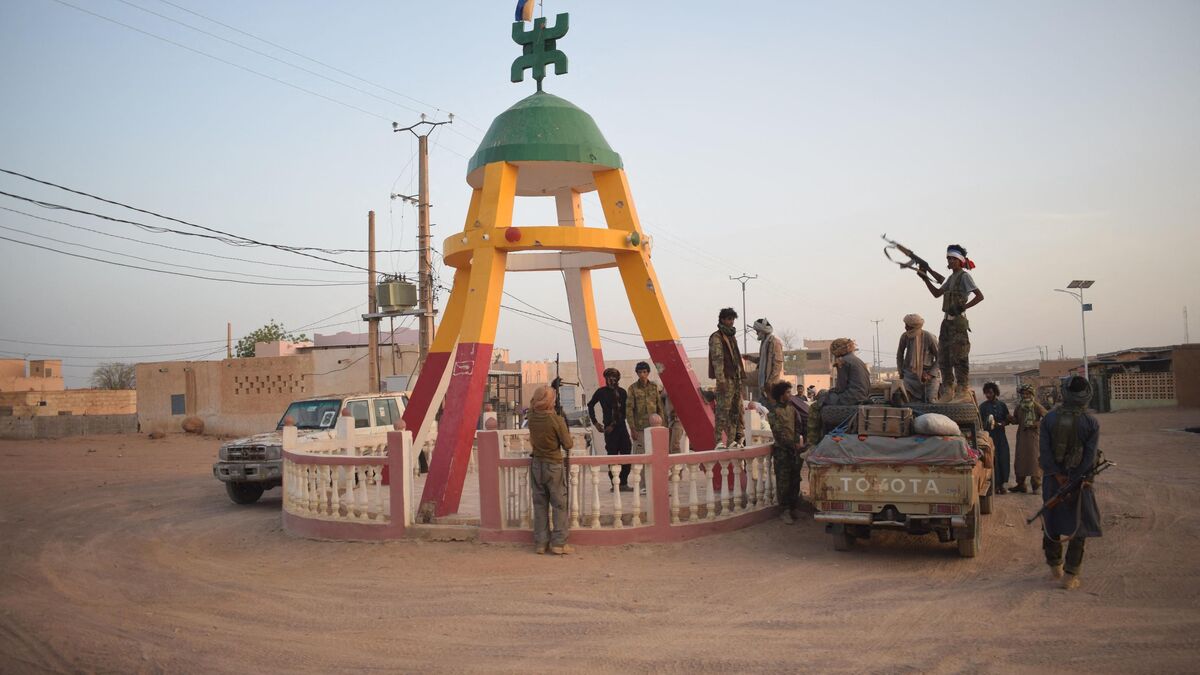
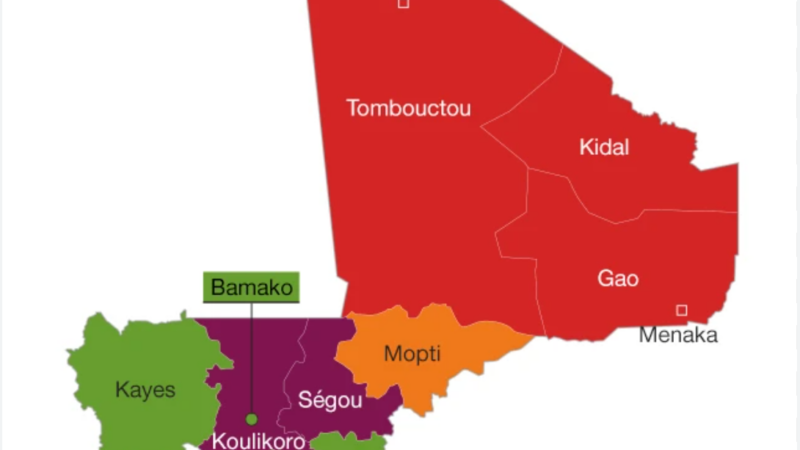
In a dramatic turn of events in Mali, rebels allied with Tuareg fighters seized control of Kidal, a key stronghold of the ruling junta over the weekend. The strategic city, long held by the paramilitary group Africa Corps, symbolizes the shifting sands of power in the Sahel—a region where Moscow is steadily expanding its influence.
Africa Corps, Russia’s latest covert military operation abroad, has been a cornerstone of the Kremlin’s strategy in Africa since its formation in late 2023. Unlike its predecessor, the infamous Wagner Group, this new entity operates with greater discretion, yet remains deeply intertwined with the Kremlin’s broader geopolitical ambitions.
Africa Corps emerged amid the chaos following the death of Evgueni Prigojine, founder of Wagner, in a 2023 plane crash. Moscow quickly moved to consolidate its military footprint across the continent, rebranding and restructuring its operations under a new banner—one with a name steeped in historical irony.
The designation Africa Corps is a direct nod to the Afrikakorps, the Nazi Germany’s expeditionary force deployed in North Africa during World War II. This provocative naming choice underscores the group’s aggressive, expansionist ethos, framed as a tool for African nations to break free from what the Kremlin terms “neo-colonial dependence.”
Rebranding Russia’s military footprint in Africa
The transition from Wagner to Africa Corps was not merely cosmetic. While Wagner operated with autonomy under oligarchs like Prigojine, Africa Corps is directly overseen by the Russian Ministry of Defense, with Iounous-bek Evkourov, Deputy Defense Minister, reportedly at its helm. This structural change reflects a deliberate shift toward tighter control from Moscow, aligning military operations with Kremlin objectives.
Analysts describe Africa Corps as more rigid and bureaucratic than Wagner, prioritizing long-term alliances over reckless adventurism. Its stated mission is clear: conduct large-scale military operations across Africa to support governments resisting Western influence, secure mineral resources, and control migration routes—key pillars of Russia’s 21st-century imperial strategy.
Africa Corps takes center stage in the Sahel
Since its inception, Africa Corps has made significant inroads in the Sahel, particularly in Mali, where it replaced Wagner’s forces in 2024. Hundreds, if not thousands, of Russian fighters now operate alongside the Malian junta, defending its hold over Bamako against Tuareg rebels and Islamist militants. This military partnership is part of a broader effort to counter Western presence in the region, following the phased withdrawal of international forces like France’s Barkhane mission.
The group’s influence now extends beyond Mali, reaching into Burkina Faso, Libya, Sudan, the Central African Republic, and Niger. In each country, Africa Corps offers a mix of combat support, military training, and logistical aid, cementing alliances that serve Moscow’s strategic interests.
Its approach, however, is markedly different from Wagner’s. While Wagner was frequently accused of war crimes and brutal repression, Africa Corps has adopted a more measured strategy, focusing on institutional ties with local governments and avoiding the kind of high-profile atrocities that drew global condemnation.
Controversy and international scrutiny
Despite its lower profile, Africa Corps has not escaped international scrutiny. In 2024, the United Kingdom sanctioned the group, accusing it of “systematic human rights violations” and “exploiting natural resources for private gain.” These allegations underscore the ethical contradictions of Russia’s African engagements, where military support often comes at a steep human cost.
The group’s rise also raises questions about the future of governance in the Sahel. By propping up authoritarian regimes and suppressing dissent, Africa Corps risks entrenching instability, further alienating populations already disillusioned with both Western interventions and local elites. Yet for the Kremlin, the calculus is clear: Africa is a battleground for influence, and every foothold gained is a step toward reshaping the global order in Moscow’s favor.