
The 39th African Union summit concluded with a strong declaration: silencing arms and rejecting unconstitutional power transfers. But can this commitment be taken seriously? Cameroonian researcher Paul-Simon Handy, East Africa Regional Director at the Institute for Security Studies (ISS), shares his insights from Addis Ababa as a guest on Africa Midi.
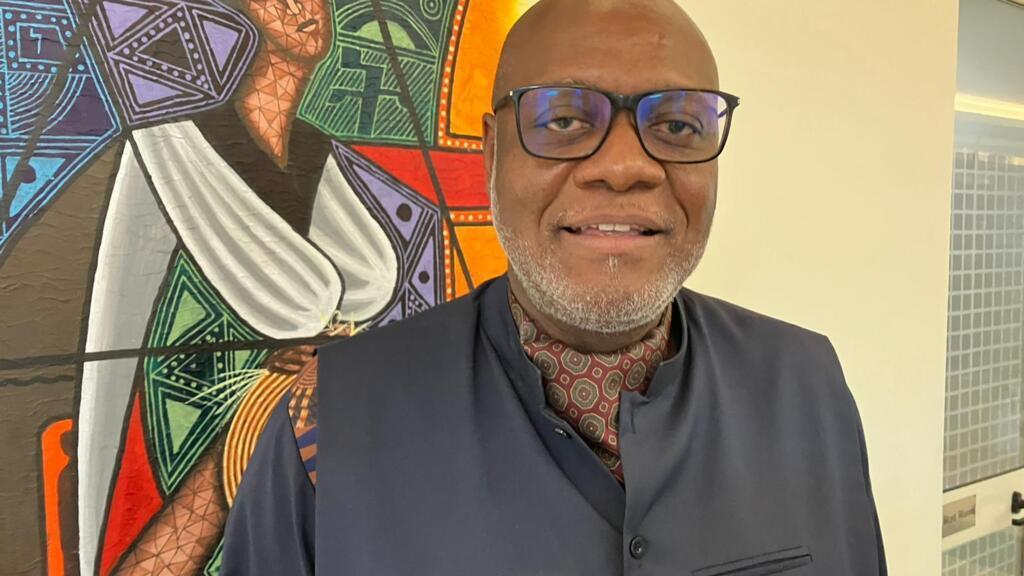
The African Union’s latest gathering in Addis Ababa sent a clear message: no tolerance for unconstitutional power grabs. Yet skepticism lingers. Can words truly translate into action when leaders who seized power by force later stand for—and win—elections? This paradox was at the heart of discussions during the summit.
Paul-Simon Handy, a leading voice in African security studies, offered his analysis on this pressing issue. As Regional Director of the Institute for Security Studies (ISS) for East Africa, he attended the landmark meeting. His assessment highlights the tension between democratic principles and the reality of governance in the continent.
The debate intensifies as some nations witness former coup leaders transitioning from the barracks to the ballot box. This trend raises critical questions: Should democracy accommodate those who undermine it? Is there a path to reconcile electoral legitimacy with the principles of constitutional governance?
Handy’s remarks underscore the urgency of this dilemma. The AU’s stance may be firm on paper, but implementation remains a challenge. The international community watches closely, weighing whether Africa’s institutions can enforce their own declarations without compromise.
In a region where stability is fragile, the stakes could not be higher. The summit’s resolve to silence the guns is commendable, yet its success hinges on addressing this fundamental contradiction in modern African governance.