Un investigates human rights violations in eastern DRC with new commission
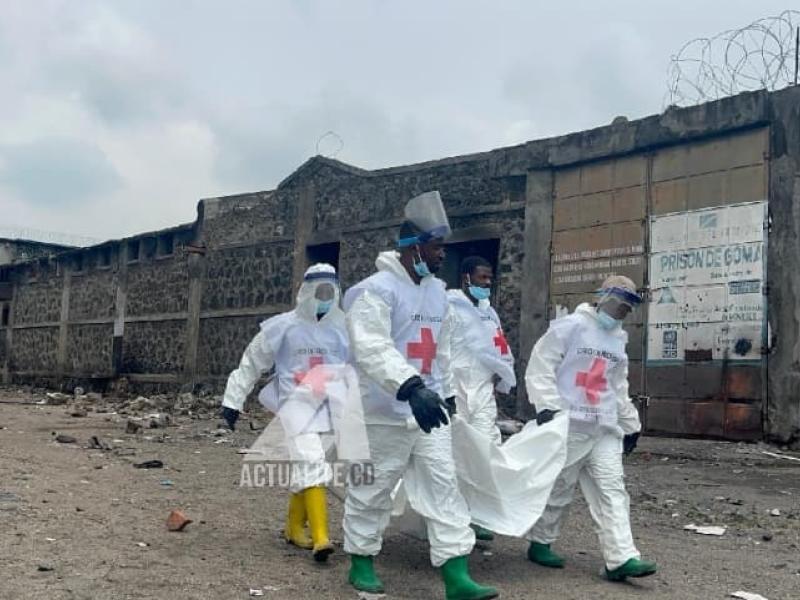
The United Nations Independent Commission of Inquiry has outlined its mission in the Democratic Republic of the Congo’s eastern provinces, emphasizing its commitment to uncovering the truth and preventing further abuses.
establishing facts and preserving evidence in a crisis-hit region
During a high-profile update at the Human Rights Council’s 62nd session in Geneva, the Commission’s Chair, Arnauld Akodjenou, detailed the findings of its initial mission to Kinshasa. The team engaged with survivors, government officials, civil society representatives, UN entities, diplomats, and national human rights institutions to assess the situation in North Kivu and South Kivu.
While logistical challenges prevented a direct visit to Goma during this phase, the Commission collected testimony from displaced communities and local organizations. The situation in eastern DRC remains dire, characterized by a complex humanitarian crisis, widespread displacement, and a fragile security environment.
alarming reports of grave violations
Testimonies presented to the Commission reveal a disturbing pattern of violence, including:
- Recruitment of child soldiers and forced conscription
- Sexual violence, including systematic rape and sexual slavery
- Extrajudicial killings and arbitrary detentions
- Attacks on schools and healthcare facilities
- Restrictions on humanitarian access and threats against human rights defenders
- Exploitation through illegal roadblocks and extortion
Akodjenou stressed that these violations are exacerbated by overlapping crises, including the lingering threat of Ebola, which compounds the suffering of already vulnerable populations.
a mission driven by justice and impartiality
The Commission’s mandate, established by UN Human Rights Council Resolution S-37/1 in February 2025, focuses on:
- Investigating alleged human rights violations and international humanitarian law breaches
- Documenting crimes, particularly those targeting women, children, and displaced persons
- Identifying the root causes of the conflict and its regional implications
- Preserving evidence to support future accountability efforts
- Providing recommendations to prevent further abuses
The Commission operates with strict independence, ensuring its work is not influenced by political considerations or targeted against any specific group or institution. Akodjenou reiterated that the primary goal is to restore dignity to victims and uphold the principles of justice and accountability in the DRC.
next steps and regional implications
Following this initial assessment, the Commission plans to deploy to North Kivu and South Kivu as soon as conditions permit. The team will continue gathering evidence, engaging with local communities, and collaborating with national and international partners to address the crisis holistically.
This investigation comes at a critical juncture, as eastern DRC grapples with escalating violence and a humanitarian emergency. The Commission’s findings are expected to play a pivotal role in shaping international responses and fostering long-term peace in the region.