Transport firms halt services to Bamako amid rising insecurity and blockades
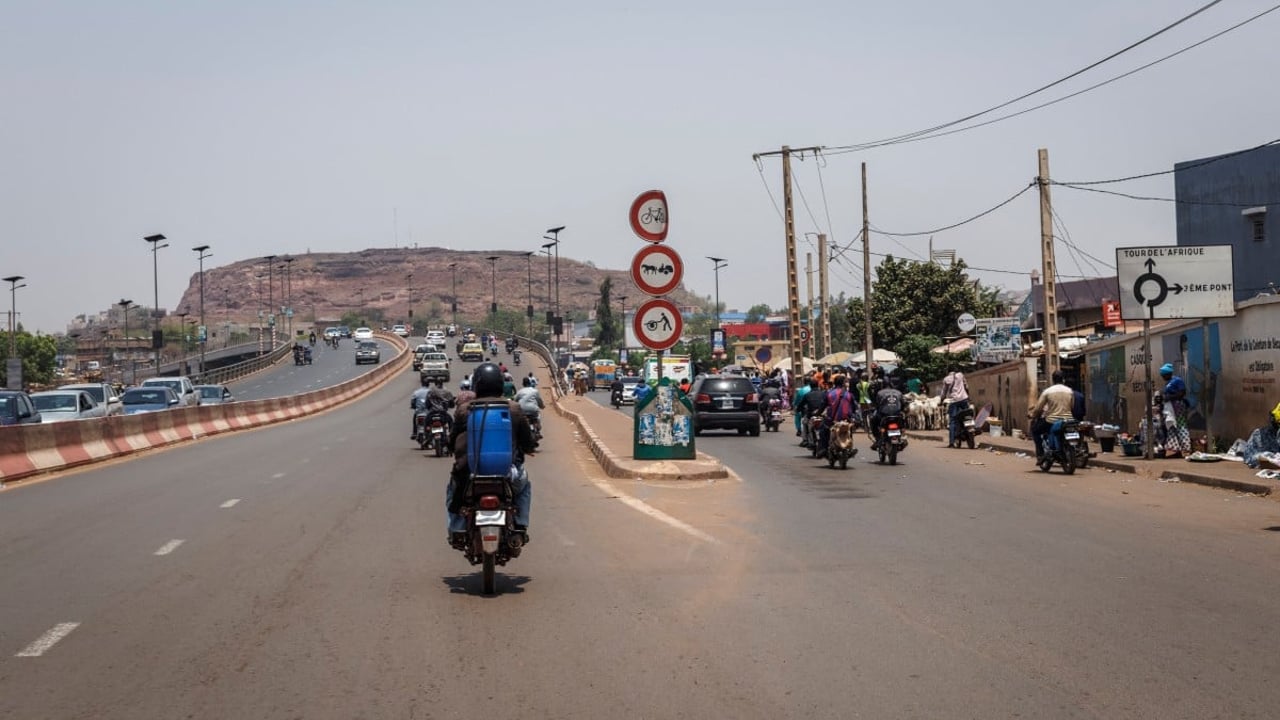
More than ten road transport companies have officially ceased their operations to and from Bamako, as jihadist militants enforce a highway blockade on the capital and target vehicles with arson attacks.
Mali is currently grappling with deep uncertainty following a series of major, synchronized assaults on April 25 and 26. These strikes were launched by the Groupe de soutien à l’islam et aux musulmans (Jnim), which is linked to Al-Qaeda, and the Front de libération de l’Azawad (FLA), a predominantly Tuareg rebel group. Their coordinated efforts targeted critical strategic sites held by the ruling military government.
Starting April 30, insurgents have imposed a blockade on Bamako, cutting off several vital transport arteries. As a landlocked country, Mali is heavily dependent on road networks for the importation of essential goods, making this isolation particularly critical.
“We have made the decision to pause our activities to avoid exposing our passengers to danger and to prevent further financial losses,” a representative from one transport agency stated. This specific firm reported that six of its buses were destroyed during attacks on the Ségou road last Saturday.
While over a dozen firms have formally announced a suspension of services, others have stopped their routes quietly. This lack of communication is reportedly due to fears that the authorities might pressure them into resuming operations. On the six primary routes leading into the capital, major transport carriers have vanished, though some small minibuses are still reaching the city by using alternative, indirect paths.
Fuel, electricity, and water shortages grip Bamako
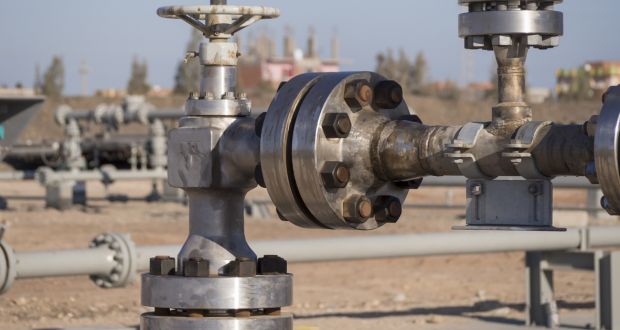
The consequences of the insurgent blockade are becoming painfully apparent in the streets of Bamako. On Monday, large queues of motorcyclists gathered at various petrol stations, as diesel supplies have been nearly exhausted for several weeks. Although the government announced the arrival of over 700 fuel tankers via the Côte d’Ivoire route on Saturday, the security situation remains volatile; several cargo convoys and passenger buses have been set on fire by militants in recent days.
Furthermore, the capital’s electricity supply has deteriorated significantly. Some residents reported going 72 hours without power, only for it to return for a brief three-hour window before failing again. The national utility, Énergie du Mali (EDM), cited a major incident for the disruptions without providing specific details. However, an EDM official, speaking anonymously, indicated that the grid is being targeted by “terrorist” sabotage.
These power outages have had a domino effect, with the Société malienne de gestion de l’eau potable announcing that the supply of drinking water is now being interrupted across several of the city’s communes.