History often carries stories that refuse to fade, not because they belong to the past, but because they continue to challenge our collective conscience. In Ouahigouya, on July 16, 2026, Captain Ibrahim Traoré stood before the people of the Yaadga region to shine a light on one such painful chapter: the Village of Bamboula. This incident, though buried in time, forces us to confront a harsh truth—how far into modernity human dignity can still be violated.
Unlike the notorious colonial exhibitions of the 19th century, the Village of Bamboula unfolded in 1994, in France. At Port-Saint-Père, near Nantes, an amusement park opened an attraction labeled as an “African village.” What was marketed as a cultural exchange was, in reality, a dehumanizing spectacle.
Twenty-five individuals, primarily from Côte d’Ivoire, arrived with the promise of sharing their traditions and heritage. Their journey, however, took a grim turn. Documents were confiscated, living conditions deteriorated, and their daily lives became a staged performance for visitors eager to witness a folklorized version of Africa.
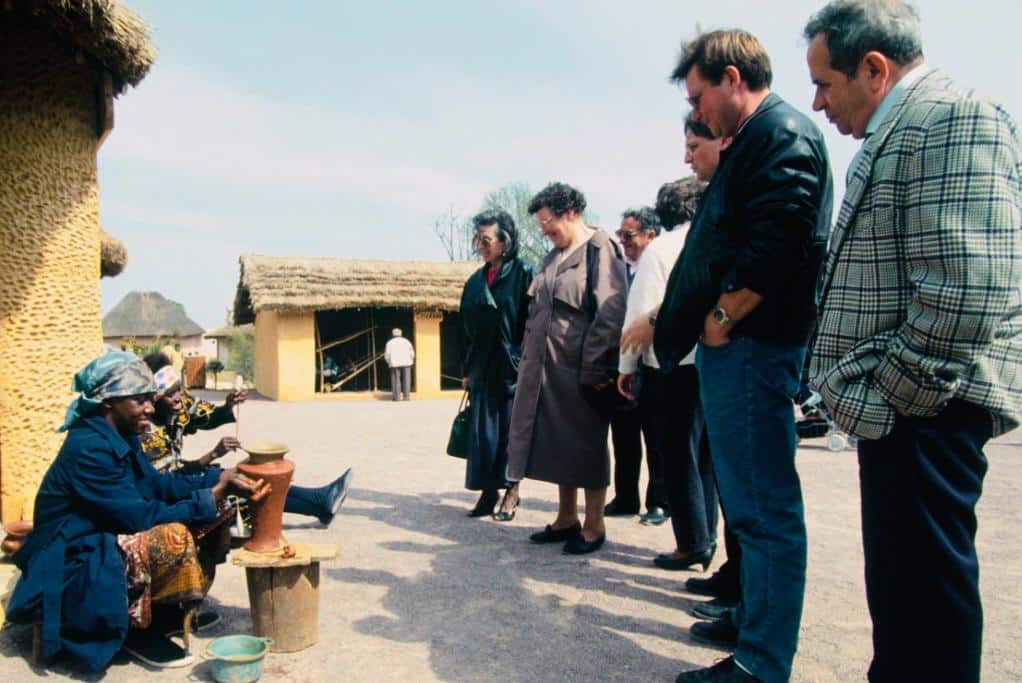
Children grew up without access to proper schooling, while adults were forced to conform to the expectations of an audience seeking stereotypical portrayals. The outrage stemmed not only from the existence of such a place but from the timing of its operation. By 1994, decades had passed since the abolition of slavery in France, the adoption of the Universal Declaration of Human Rights, and the independence of African nations. Yet, the exploitation persisted.
The controversy eventually led to the park’s closure, but the scars remained. Associations, intellectuals, and human rights advocates condemned the practices, forcing a reckoning with this dark episode. The Village of Bamboula stands as a stark reminder of the enduring power of dehumanizing representations in the relationship between Africa and Europe.
Why this history still matters today
Captain Ibrahim Traoré’s address in Ouahigouya was not merely a recitation of facts; it was a call to reflect on memory, dignity, and the importance of reclaiming African narratives. The Village of Bamboula symbolizes the mechanisms of domination that have long shaped interactions between continents.
Remembering this history is not about nurturing resentment but about understanding the systems that allowed such injustices to occur. It serves as a warning that no society is immune to eroding the fundamental value of human respect.
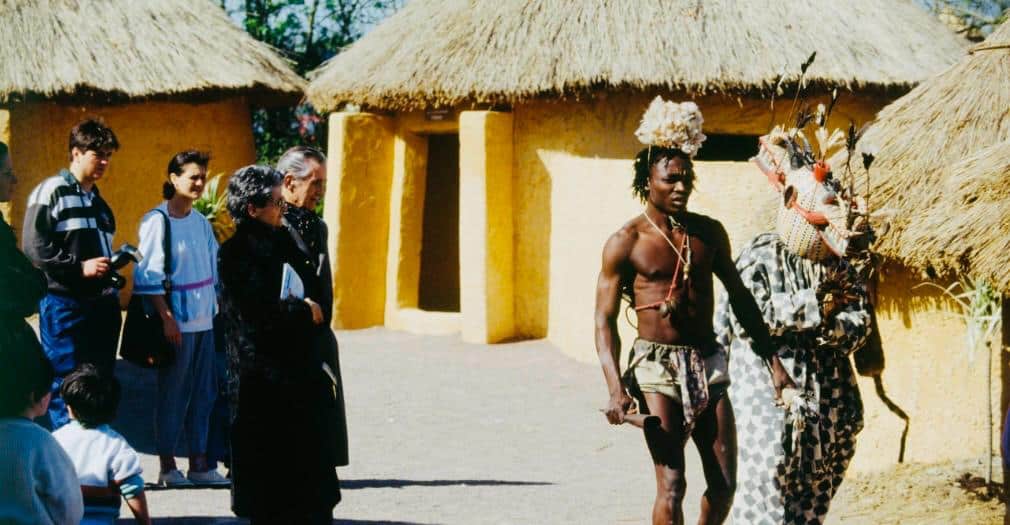
Memory, when confronted honestly, becomes a tool for vigilance. It empowers present and future generations to defend the principle that every human being deserves dignity and respect—regardless of the era in which they live.