Tchad trains 100 young people in responsible digital citizenship
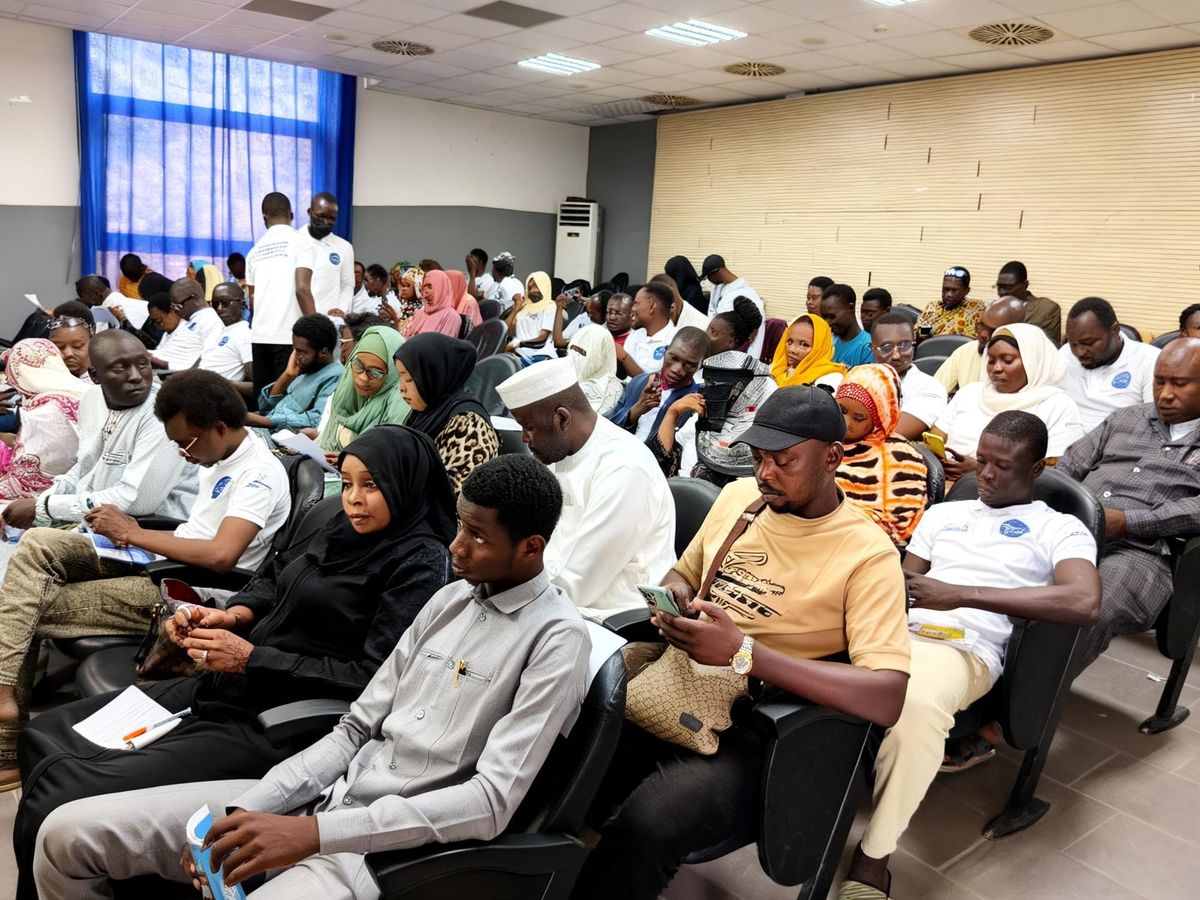
In N’Djamena, Chad is taking a bold step to equip its youth with the tools to navigate the digital landscape responsibly. A pioneering workshop, bringing together 100 young people, has kicked off with a clear mission: to promote digital citizenship and combat misinformation. The initiative, backed by both government agencies and non-governmental organizations, underscores the nation’s commitment to fostering a safer, more informed online environment for its citizens.
The training program, titled « Building a Responsible Digital Ecosystem for Chad’s Youth », is designed to empower participants with the skills needed to navigate social media and digital platforms without falling prey to manipulation or disinformation. Organized in collaboration with local and international partners, the workshop emphasizes critical thinking, fact-checking, and ethical online behavior as essential components of digital literacy.
Why digital responsibility matters in Chad
The rapid expansion of internet access in Chad has brought both opportunities and challenges. While digital platforms enable connectivity and knowledge sharing, they also expose users—especially the youth—to risks such as fake news, cyberbullying, and online scams. Recognizing these threats, the government and civil society have joined forces to address the issue head-on.
During the opening ceremony, a senior official highlighted the urgency of the matter: « In today’s interconnected world, a single piece of false information can spark unrest just as easily as it can spread hope. Our youth must be prepared to recognize truth from fiction and contribute positively to the national discourse. »
From awareness to action: what the workshop offers
The intensive three-day program covers a range of topics essential for responsible digital engagement:
- Media literacy: Teaching participants how to critically evaluate news sources and identify credible information.
- Fact-checking techniques: Hands-on training in verifying viral content using trusted tools and databases.
- Cybersecurity fundamentals: Best practices for protecting personal data and avoiding online threats.
- Ethical digital behavior: Promoting respectful and constructive online interactions.
The ultimate goal is to transform these 100 young participants into « digital ambassadors »—individuals who will share their knowledge within their communities, schools, and social networks, creating a ripple effect of awareness and responsibility.
The role of partnerships in driving change
This initiative is a testament to the power of collaboration. By combining the expertise of government ministries, local NGOs, and international development partners, the program ensures a holistic approach to digital education. The involvement of House of Africa, a leading civil society organization, has been instrumental in mobilizing youth and designing content that resonates with their daily digital experiences.
A representative from the organizing team emphasized, « Our aim is not just to teach young people how to use digital tools, but to empower them to use these tools wisely—for their own benefit and for the greater good of society. »
Looking ahead: a digital future built on trust
As Chad continues to embrace digital transformation, the success of this workshop could serve as a model for other African nations grappling with similar challenges. The long-term vision is to scale the program, reaching thousands more young people across the country and instilling a culture of digital responsibility that extends beyond classrooms and into everyday life.
The message is clear: the digital age demands more than technical skills—it requires wisdom, vigilance, and a collective commitment to truth. By investing in its youth today, Chad is laying the foundation for a more secure, informed, and cohesive digital society tomorrow.