Tchad school discipline crisis: schools and families must unite
Tchad’s school discipline crisis: schools and families must unite
Discipline issues in Chadian schools threaten the nation’s future leaders. Addressing this challenge requires a shared commitment between educators, parents, and the broader community to rebuild authority and secure the country’s progress.
Chad’s education system faces a growing crisis centered on student discipline. What was once a rare issue in classrooms has become a widespread challenge, threatening the development of the nation’s future leaders. Schools, families, and society must share responsibility to restore order and ensure quality education.
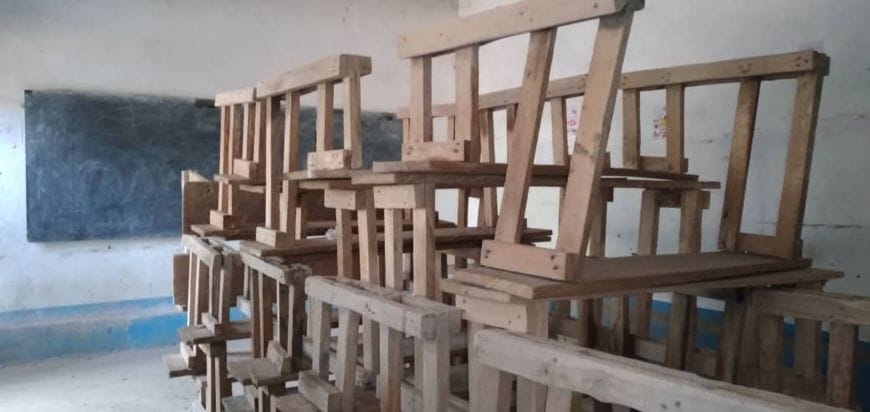
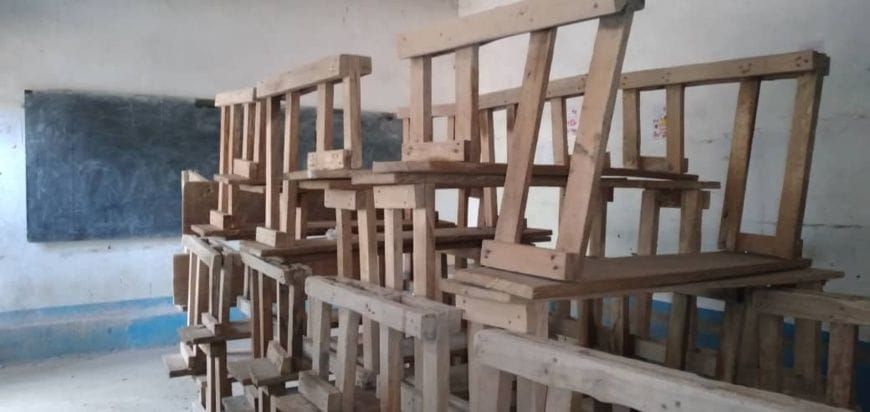
The symptoms are visible across N’Djamena’s schools and institutions throughout the country. Insolence toward teachers, frequent fights, excessive phone use during lessons, and deliberate damage to school property have become alarmingly common. Educators report that maintaining a conducive learning environment has grown increasingly difficult as students push back against authority, regardless of established rules or consequences.
Families at the heart of the solution
The family unit remains the cornerstone of a child’s moral development. At home, young people should learn respect for authority, the value of effort, and the importance of boundaries. Yet today, many parents struggle to fulfill this role due to economic hardships, overwhelming family responsibilities, or lack of time. Without proper guidance at home, schools bear an impossible burden.
“Teaching is becoming more difficult by the day,” admits Michel Ngardiguina, a French teacher in N’Djamena. “Some students refuse to accept any form of correction or authority from teachers. Even a simple request to focus can trigger aggression or verbal abuse. Without parental support, schools cannot single-handedly address these behavioral issues.”
Parents like Amina Moussa, whose child attends a school in N’Djamena’s Walia Barrière district, echo these concerns. “Many families are consumed by economic struggles and fail to monitor their children’s behavior. Smartphones and social media heavily influence students today. Parents must reclaim their role in education and work closely with teachers to protect their children’s futures,” she stresses.
The consequences of unchecked indiscipline
When families do not instill discipline, schools face an uphill battle. Students arrive in classrooms with weak foundational values, making it nearly impossible to implement effective corrections. The result? A generation poorly prepared for the demands of modern society and professional life.
Beyond classroom disruptions, the ripple effects are concerning. Damaged infrastructure, wasted resources, and a toxic learning environment erode the quality of education. Without urgent intervention, Chad risks producing citizens unprepared to contribute meaningfully to national development.
A call for collective action
Addressing this crisis demands a unified effort. Schools cannot act alone, nor can parents. Both must collaborate through practical measures, including:
- Regular parent-teacher meetings to track student progress;
- Open dialogues with adolescents to understand their challenges;
- Revitalizing parent-teacher associations to strengthen community involvement;
- Public awareness campaigns highlighting the importance of discipline and school rules.
The future of Chad is being shaped every hour within its classrooms. Restoring school authority and reinforcing parental responsibility are no longer optional—they are national imperatives. The time for awareness has passed; now is the time for action.