Sifi Grine in Bamako: how Assimi Goïta’s junta swallowed its pride before Algiers
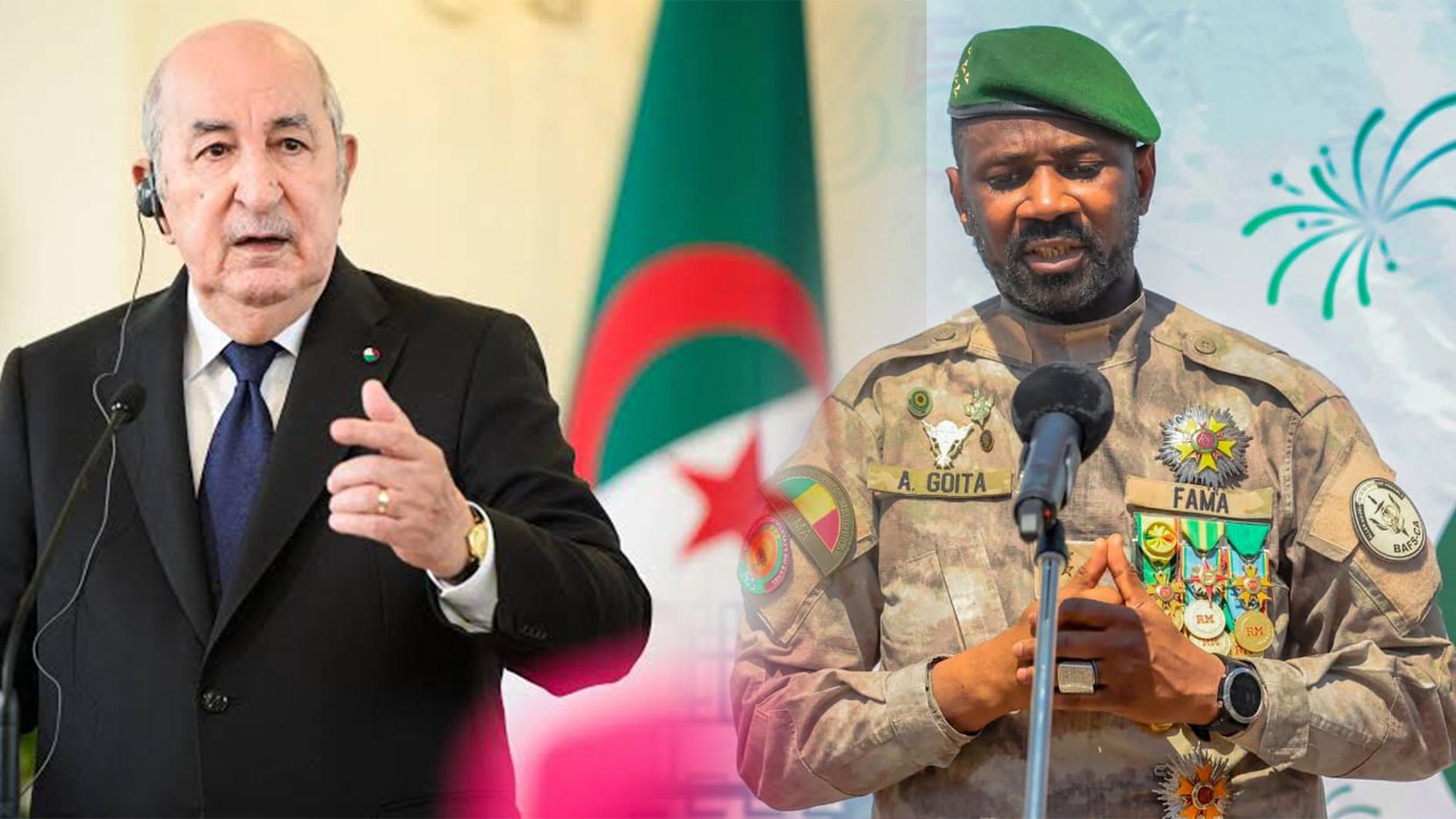
Algeria’s prime minister, Sifi Grine, spent Monday in Bamako, standing shoulder to shoulder with the man who runs Mali by decree, army general Assimi Goïta. The encounter was packaged as a milestone, a decisive step toward binding two Sahelian neighbours closer than they have been in years. Yet the choreography of the day could not quite hide how fragile the ground beneath it really is. Behind the firm handshakes and the polished speeches, memories of a bitter falling-out and the long shadow of the Algiers accord still hang over a relationship that has rarely been this strained.
A handshake staged inside the Koulouba palace
The setting was chosen for its symbolism. Inside the reception rooms of the Koulouba palace, the Algerian head of government and Mali’s military strongman sat down to discuss tightened bilateral ties, joint security work and a fresh push on trade across a Sahel region under constant pressure. For Algiers, the trip fits a clear ambition: to reclaim influence in what it has always regarded as its southern backyard. For Bamako, parading a heavyweight diplomatic partner offers a way out of a steadily deepening international isolation. The picture of unity, however, convinced few seasoned observers.
What the protocol was designed to project
- A visible signal that Bamako is not alone on the diplomatic stage
- A renewed Algerian foothold in a region where its leverage had been slipping
- An economic and security agenda presented as mutually beneficial
- A carefully staged image that leaves the underlying disputes untouched
Bamako’s long list of grievances against Algiers
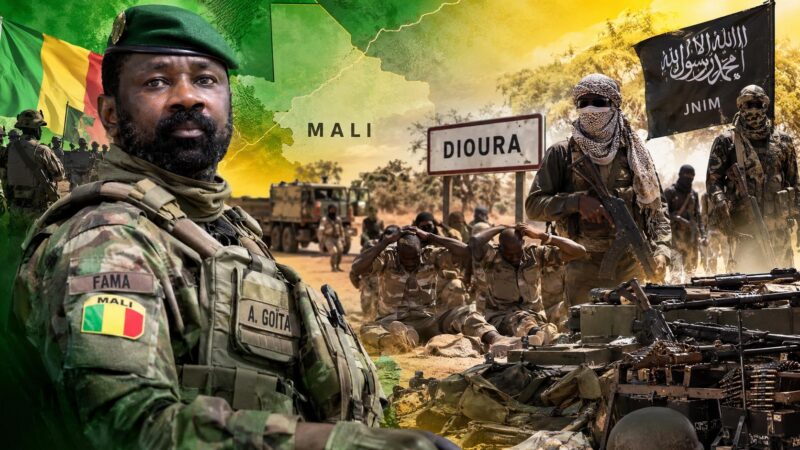
The sudden warmth arrives after months of unusually sharp diplomatic confrontation. Not long ago, Mali’s ruling officers piled accusation upon accusation on their northern neighbour, turning sovereignist rhetoric into a signature style of government. The charges were explicit: interference in Mali’s internal affairs, and something more serious still.
Algiers, Bamako insisted, had played host to Malian opposition figures and influential religious leaders. The graver allegation concerned the north, where the junta claimed Algeria was lending support to autonomist rebel movements. By framing its neighbour as a sponsor of “hostile acts” hidden behind the language of peacemaking, the military leadership appeared to be hunting for an external scapegoat, a convenient explanation for a security situation that kept deteriorating and for a conflict it could not resolve.
A marriage of convenience rather than a genuine alliance
What was celebrated on Monday looks less like a sincere partnership than a forced arrangement between two parties with few alternatives. Bamako has cut itself off abruptly from its traditional Western partners and is now tangled in regional alignments it cannot fully trust, leaving it scrambling to widen its diplomatic circle.
Algiers, for its part, cannot afford a permanent pocket of instability along its southern frontier, a space where militant networks and cross-border trafficking thrive. The meeting between Sifi Grine and Assimi Goïta therefore boils down to hard practicality: keep up appearances, avoid a point of no return, and leave the accumulated resentment that corrodes mutual trust exactly where it is.
Two governments, two very different calculations
Each side walked into the palace with its own arithmetic. Bamako needed a photograph that suggested options beyond its usual partners. Algiers needed reassurance that its border would not become a launching pad for armed groups. Neither calculation requires affection, only convenience.
The Algiers accord still shapes the balance of power
In this muffled contest, Algeria retains a strategic advantage that is difficult to contest. Long viewed as the security gatekeeper and the indispensable mediator of the Sahel, it set the peace agenda for the region, most notably through the 2015 Algiers accord.
When the junta announced in early 2024 that it was walking away from that framework unilaterally, the intention was to assert full authority and shake off any hint of external tutelage. Events proved otherwise. Dropping the Algerian negotiating format brought neither peace to northern Mali nor an end to the security threat. By travelling to Bamako now to press its terms and restart dialogue, Algiers is demonstrating something Bamako would rather not admit: Mali can try to sidestep Algerian diplomacy, but sooner or later it has to reckon with it.
Where military diplomacy reaches its limit
The visit offers Assimi Goïta a welcome break in the headlines, yet it settles nothing of substance. The junta continues to anchor its legitimacy in security rhetoric while indefinitely postponing any return to a democratic constitutional order.
Without genuine movement toward domestic political stability and without honest attention to regional balances, the pledges exchanged on Monday risk amounting to little more than well-produced communication. Beneath the diplomats’ smiles and the pressed uniforms, the Bamako–Algiers relationship remains mined terrain, with each side watching for the other’s misstep.