Benin’s school canteens now reach 1.9 million children, a social and economic bet
Half a million extra pupils join the school meal scheme
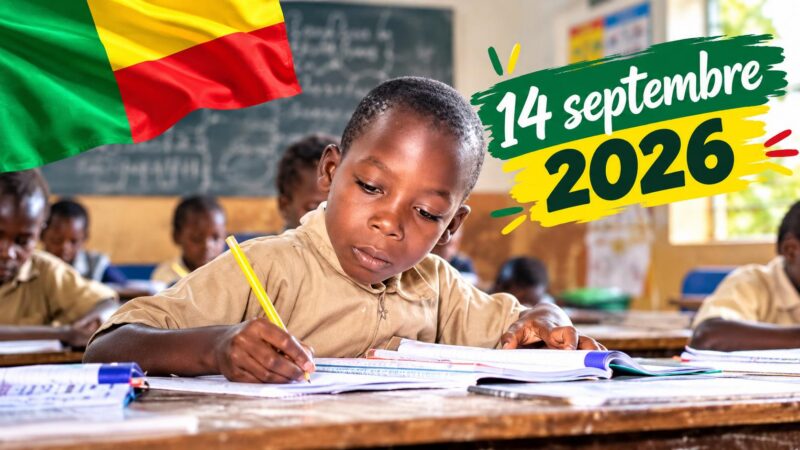
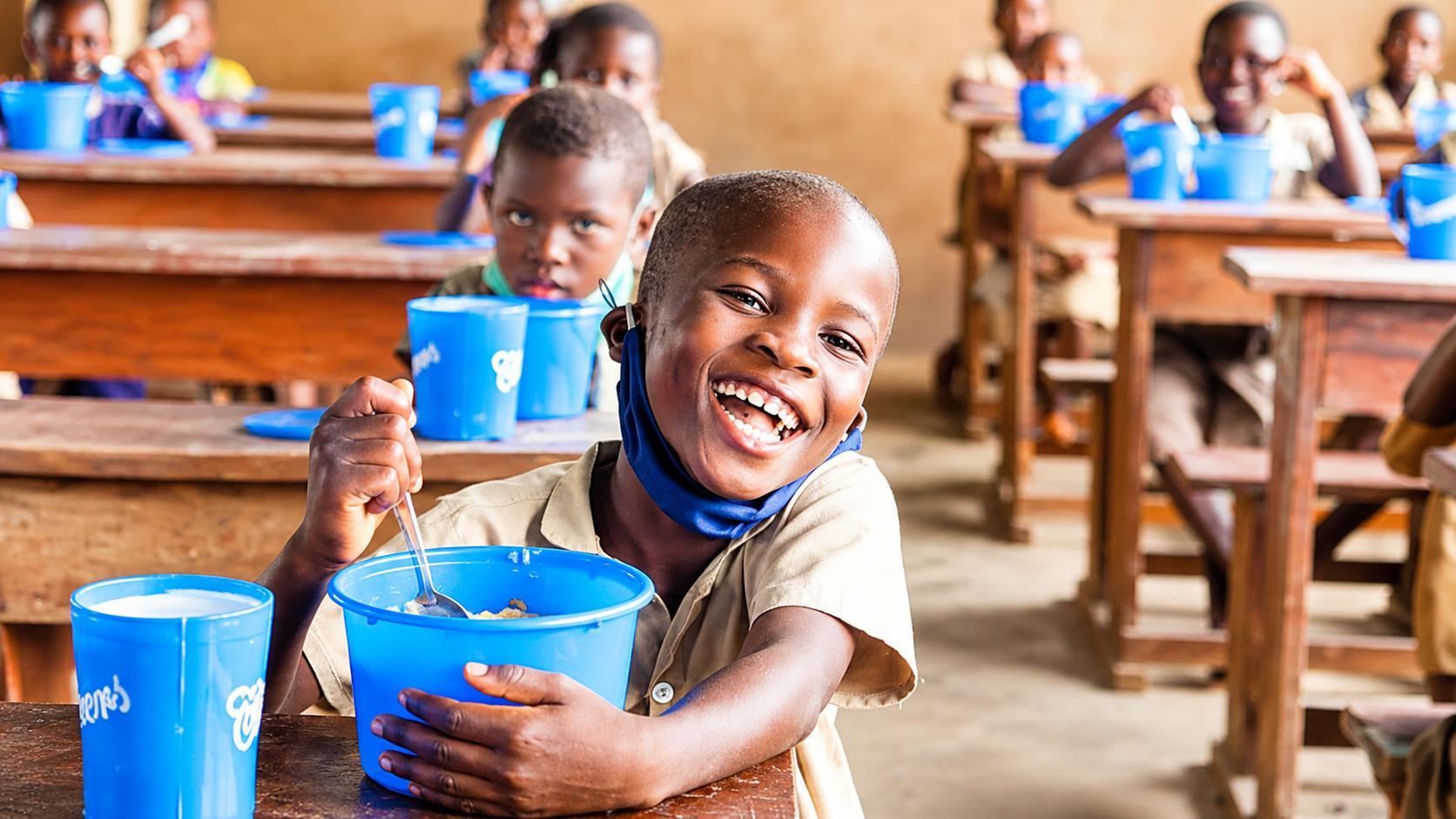
When classes resumed for the 2026-2027 school year, roughly 1.9 million children in Benin sat down to a hot meal on every teaching day. Twelve months earlier, that figure stood at 1.4 million. In practice, some 500,000 additional pupils entered the system in a single year — a leap that confirms how central school feeding has become to the country’s social policy.
The figures tell a story of steady expansion rather than a one-off push. Benin’s aim is to keep hunger out of the classroom, ease the pressure on household budgets and, at the same time, generate demand for food grown at home.
From 30% coverage to a nationwide rollout
Rewind to 2016: only about 30% of schools offered a canteen service. By 2022, coverage had climbed to 75%, with more than 1.1 million children receiving meals. Every year since has added new schools and new beneficiaries, turning a scattered initiative into a structured national programme.
For the authorities in Cotonou, the canteen is far more than a welfare measure. It is treated as an investment that touches education, nutrition and the country’s wider development at the same time.
What a daily meal changes inside the home
In many households, feeding a school-going child every day represents a heavy recurring cost. When the school takes charge of lunch, part of that burden lifts. Parents can redirect the money they save towards other essentials — exercise books, uniforms, medical care or food for the rest of the family.
The gain for children is just as tangible. A pupil who has eaten properly copes far better with a long school day. Hunger during lessons fades, and the conditions for concentration, classroom participation and real learning improve.
Support that reaches the most vulnerable
Scaling up the programme is therefore a direct answer to one key concern: giving children, particularly those from the poorest families, a fairer chance to study in decent conditions.
Billions of CFA francs behind the canteen policy
Such an expansion comes with a hefty price tag. Budget allocations for school canteens rose from 1.5 billion CFA francs in 2016 to 48.7 billion CFA francs in 2022, a clear signal of the priority the state now attaches to this policy. Under the 2025 finance law, more than 29 billion CFA francs were earmarked to keep the programme running.
Read over the long term, these sums look less like spending and more like a social investment. By paying for children’s meals, the state acts on several levers that shape a pupil’s schooling and wellbeing at once. The objective is not simply to fill plates: it is to build the conditions that keep children in school, help them learn and prepare what comes next.
School canteens as customers for local farmers
The programme’s second engine is economic. Canteens generate steady, predictable demand for foodstuffs, and a share of the public money involved flows to local producers and suppliers. Buying nationally grown produce opens outlets for farmers, supports rural incomes and keeps money circulating in local economies.
More than 13 billion CFA francs spent with local growers in 2024
Government figures show purchases of food from local producers rising, passing 13 billion CFA francs in 2024. The result is a virtuous loop: children eat, families breathe more easily and farmers gain extra markets for what they harvest.
A long-term wager on Benin’s future workforce
With 1.9 million beneficiaries at the start of 2026-2027 and half a million new arrivals in a year, the scheme has crossed another threshold. The government intends to widen coverage of public schools still further and to anchor school meals permanently in the country’s education and social policy.
Seen this way, the canteen is a tool with several faces: it fights hunger, stands behind parents, improves the conditions in which children learn and creates outlets for agriculture. The money poured into it does not merely buy lunches — it is a stake in today’s pupils, in their families and in the local economy, and above all in the human capital that will shape Benin tomorrow.